

If you’re planning a home renovation involving an older roof assembly, understanding how to properly insulate while maintaining ventilation is critical. A recent expert discussion highlighted the challenges homeowners face when upgrading insulation in vented roof systems, especially when other roof components aren’t ready for replacement. This scenario is common in renovation projects and has real implications for your comfort, energy bills, and long-term home durability.
The Challenge of Renovating Vented Roof Systems
Many homes built in the 1980s and earlier feature vented roof assemblies designed to allow air to circulate between the roof deck and attic space. These systems typically include ridge vents at the peak and soffit vents along the eaves to create continuous airflow. The purpose is straightforward: moving air helps prevent moisture buildup and extends roof life. However, when homeowners want to upgrade insulation in these older systems without replacing the entire roof, they hit a problem. The existing structure may lack insulation baffles (also called rafter vents), which are spacers that maintain an air gap between insulation and the roof sheathing. Without them, adding traditional insulation can block ventilation and trap moisture.
This becomes even more complicated when roof sheathing is aging but not actively leaking. Many homeowners are hesitant to invest in a full roof replacement immediately, especially if they’re in the middle of other renovation work. The question then becomes: how do you improve insulation and energy efficiency without compromising the vented system’s integrity?
Why Preserving Ventilation Matters
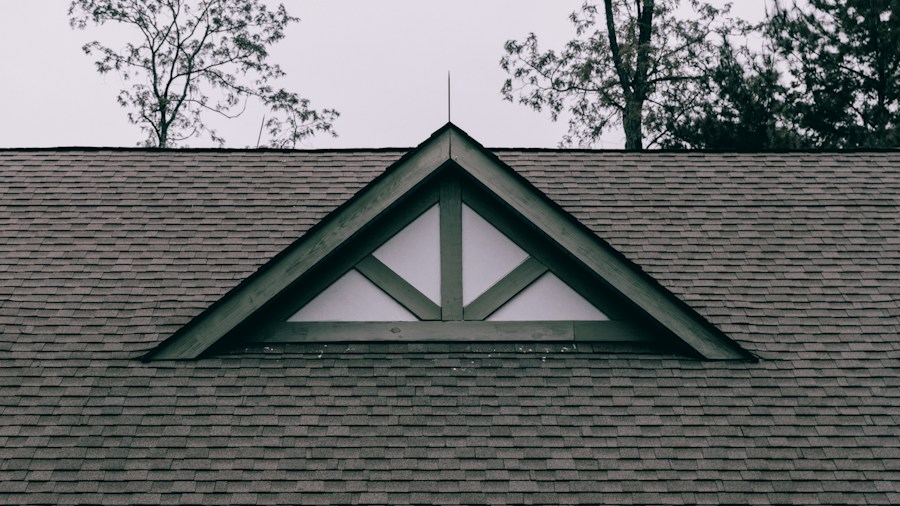
Keeping a vented roof assembly functional during renovation is essential for several reasons. Proper attic insulation depends on working ventilation to prevent moisture and heat buildup, which can lead to premature decay, mold growth, and shortened roof lifespan. Even if you’re trying to save money by delaying roof replacement, blocking ventilation now could make that future replacement far more expensive and structurally damaging.
Experts point out that the choice between maintaining a vented system and converting to an unvented assembly (which uses continuous insulation against the roof sheathing) is a major decision that affects everything from material costs to long-term building science performance. Neither option is universally correct; it depends on your climate, budget, roof condition, and renovation timeline.
Practical Solutions for Your Renovation
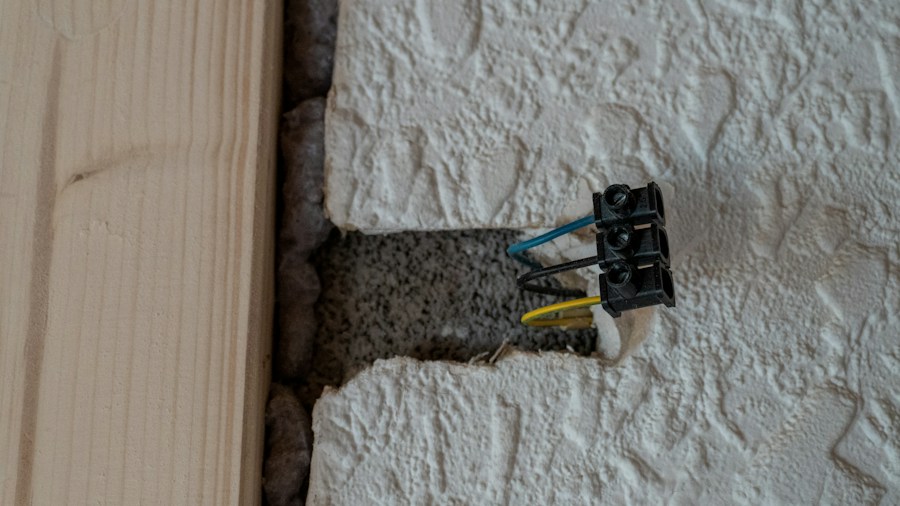
If you’re in a similar situation, here are the main paths forward:
- Install insulation baffles along each rafter before adding insulation. This preserves the air gap needed for ventilation and is relatively inexpensive.
- Choose insulation materials that allow some air movement. Blown cellulose or fiberglass can work in vented systems if baffles are properly installed.
- Plan your full roof replacement timeline. If you know the sheathing will need replacement within five to ten years, design your current insulation strategy as a temporary improvement that won’t interfere with that future work.
- Consult local building codes. Requirements for insulation and ventilation vary by region and climate zone.
For homeowners looking to maximize energy savings in the meantime, understanding insulation fundamentals and proper installation techniques can help you get the most from your renovation budget. Even temporary improvements made correctly can reduce heating and cooling costs and improve comfort significantly.
Moving Forward With Your Renovation Plan
The key takeaway is that there’s no one-size-fits-all answer, but there are informed solutions. Expert builders and energy consultants increasingly recommend assessing your entire roof assembly during renovation planning, not just the insulation layer. If your roof sheathing is in mediocre condition now, it’s worth developing a realistic timeline for replacement rather than making decisions that might complicate future work.
When insulation baffles are missing, adding them is a reasonable first step that costs far less than a new roof and maintains the system’s integrity. This approach gives you better energy performance immediately while protecting your options down the road. Even complementary air-sealing measures around windows and doors can amplify the benefits of improved insulation during a renovation project.
Taking time now to understand your roof assembly and make informed choices about insulation will pay dividends in comfort, efficiency, and peace of mind as your renovation unfolds.












Write Your Review
No reviews yet. Be the first to share your experience!