

A New York City apartment has sparked widespread conversation about creative furniture placement and home design choices, offering real-world lessons for shoppers looking to personalize their own spaces. The 1,000-square-foot Manhattan apartment belongs to Emma Wilson, a home design content creator whose bathroom renovation, particularly a custom sink skirt, has drawn thousands of comments and design critiques online.
What makes this apartment noteworthy is not just the trending design elements, but what it reveals about how modern consumers approach furniture shopping and home customization. Wilson’s space demonstrates that shoppers no longer feel confined to matching sets or cohesive design systems, instead mixing styles and eras to create something uniquely personal.
Breaking Free From Furniture Style Labels
Wilson emphasizes a core principle that challenges traditional furniture-buying habits: avoid restricting yourself to a single aesthetic. While her home incorporates Parisian traditional elements, mid-century modern touches, and what viewers describe as a “Nancy Meyers movie” vibe, she deliberately avoids labeling her style.
This approach represents a significant shift in how contemporary furniture buyers think about their purchases. Rather than selecting every piece to match a predetermined scheme, today’s shoppers are increasingly comfortable blending vintage finds with newer pieces, mixing wood tones, and combining design periods. Dark wood and white furniture trends are reshaping how consumers plan their entire home aesthetic, giving buyers permission to combine what they love rather than follow rigid rules.
Maximizing Limited Square Footage
For urban renters and buyers facing space constraints, Wilson’s apartment offers practical inspiration. At roughly 1,000 square feet, the space is unusually generous for New York City, yet Wilson still approached furniture selection with intention. She chose the apartment specifically for its pre-war character, rejecting what she calls “cubicle-style, modern, lifeless, soulless” apartments that prioritize efficiency over personality.
This decision reflects how furniture shoppers are increasingly valuing character and architectural detail over minimalist modern design. When shopping for furniture, consumers facing smaller spaces should consider pieces that add visual interest rather than simply occupy floor area efficiently.
Thrifted Furniture Over New Retail Pieces
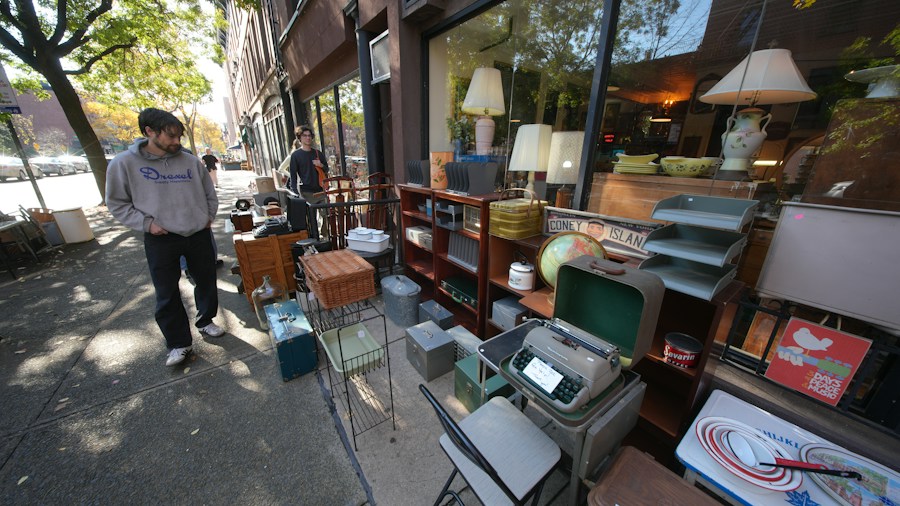
Another significant trend visible in Wilson’s space is her reliance on secondhand and thrifted furniture, particularly pieces sourced from Facebook Marketplace. The entryway, which visitors encounter first, is entirely furnished with thrifted items. This choice has practical and philosophical implications for furniture shoppers.
Buying used or vintage furniture allows consumers to discover unique pieces while maintaining budget flexibility. It also aligns with growing environmental consciousness among home buyers, who increasingly view secondhand furniture shopping as a sustainable alternative to purchasing new. The rise of modular and repairable furniture is changing how consumers approach long-term purchases, encouraging buyers to think beyond initial cost toward durability and adaptability.
DIY Challenges and Renter-Friendly Customization
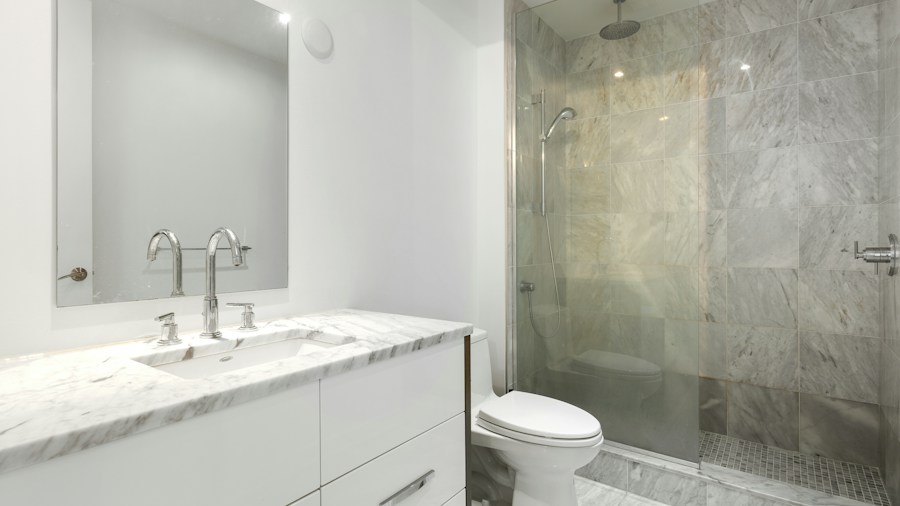
Wilson’s experience with renter-friendly modifications reveals an important reality for furniture buyers: DIY projects presented as simple in online videos often present unexpected challenges. Her bathroom renovation, though eventually successful, required significant effort with peel-and-stick wallpaper and floor tiles.
For renters considering furniture purchases and temporary modifications, this serves as a reality check. Quick-install products require careful installation and may show imperfections up close. Shoppers should budget extra time and patience when attempting these upgrades and consider whether investments in modular or temporary furniture pieces make sense for their situation.
The Power of Personal Vision
Wilson’s journey from childhood, when she shared bedroom space in a Dominican household, to her current Manhattan apartment illustrates how furniture choices reflect personal aspirations. She visualized her ideal space for years before achieving it, demonstrating that thoughtful furniture decisions stem from clear personal vision rather than trend-chasing.
For shoppers evaluating their own purchases, this principle matters: furniture decisions should reflect what you genuinely want to live with, not what design magazines suggest or what trends currently dominate social media. The viral attention to Wilson’s sink skirt and overall space indicates that authentic, personally curated homes resonate more with audiences than perfectly styled showroom aesthetics.
As apartment hunting and furniture shopping continue to evolve, Wilson’s space demonstrates that successful home design combines resourcefulness, personal taste, and willingness to invest effort in spaces that reflect your values and aspirations.











Write Your Review
No reviews yet. Be the first to share your experience!