

The Shift Away from All White Interiors
For more than a decade, light wood tones and cream-colored furnishings have dominated neutral living room design. The Scandinavian minimalist aesthetic seemed unstoppable, but consumer preferences are changing as we move into 2026 and 2027. Homeowners are increasingly searching for interiors that feel warmer, more textured, and richer in character. This shift signals a major change in how people approach furniture selection and room design.
Interior design experts attribute this change to evolving priorities. Modern homeowners want spaces that feel genuinely lived in rather than designed solely for photographs. All-white rooms, while clean and visually simple, often feel clinical and cold in everyday life. The trend toward incorporating darker wood tones alongside white walls and furnishings addresses this fatigue directly.
What This Means for Your Living Room
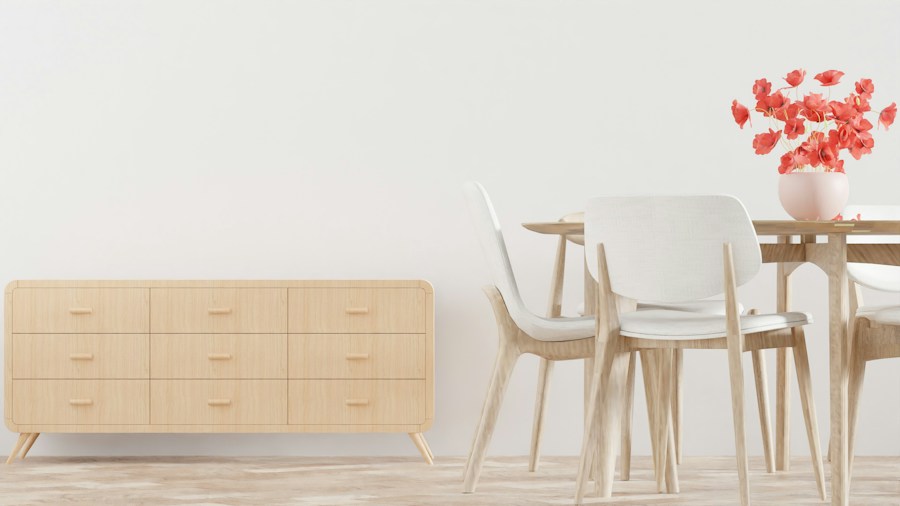
The emerging design philosophy combines white’s airy, open quality with the richness and depth that dark wood furniture brings. This pairing creates a sense of heritage and timelessness while maintaining a contemporary feel. The balance works because neither element overwhelms the other. White keeps the space feeling light and accessible, while dark wood adds substance and visual interest.
One key styling principle is mixing wood tones rather than relying on a single shade throughout the room. Light washed woods have been popular for years, but using identical pale tones on every piece can leave a room looking flat and characterless. Layering in darker woods, perhaps a mahogany TV stand or console table, adds significant depth and prevents monotony. Pairing a light floor with darker wooden furniture, for example, creates visual contrast that makes the entire room feel more sophisticated.
Beyond aesthetics, this design approach offers psychological benefits. Interior psychologists have documented that surrounding yourself with natural materials like wood can help your brain release stress. The combination of organic textures and natural elements creates spaces that feel grounded and calming. Adding plants, fresh flowers, or natural textiles like wool and boucle alongside wood furniture introduces warmth that transforms a room from merely pretty to genuinely restorative.
Practical Ways to Adopt This Trend
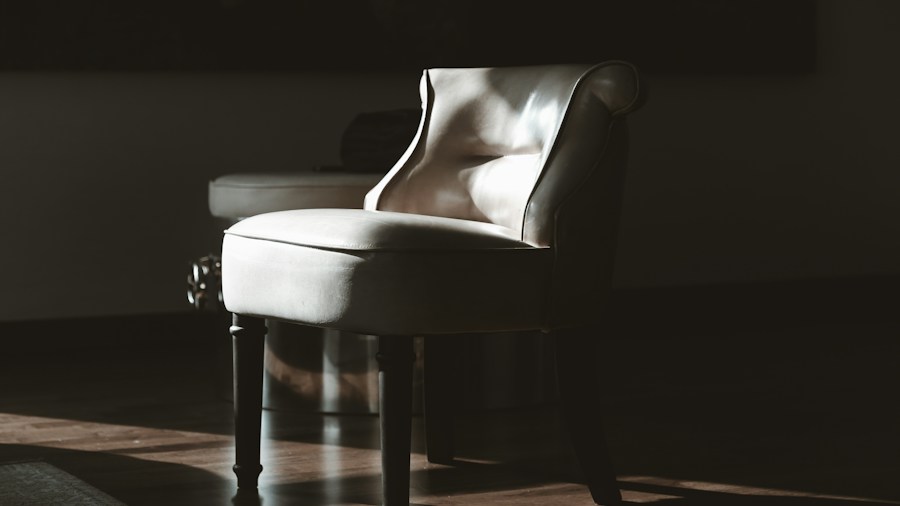
If you are considering updating your living room furniture, start by thinking about layering. Rather than replacing everything at once, introduce darker wooden pieces gradually. A new coffee table, sideboard, or media console in a richer wood tone can completely change how an all-white or predominantly neutral room feels. These accent pieces work as anchors in the space.
Texture plays an equally important role. Combining smooth white walls with varied wood finishes, leather chairs in warm browns, and patterned rugs creates visual richness that prevents the space from feeling empty or cold. Smart furniture swaps can transform living rooms without requiring a complete redesign.
The white and dark wood combination works in both modern and traditional spaces, making it remarkably versatile for different home styles. Whether your decor leans mid-century modern, contemporary, or even more eclectic, this palette adapts easily. The color combination is also forgiving, allowing you to introduce accent colors through artwork, pillows, and decorative objects without feeling cluttered.
Why This Trend Matters for Shoppers
Understanding this shift in design preferences helps you make smarter furniture purchases. Rather than defaulting to light, uniform pieces that may feel dated within a few years, investing in quality dark wood furniture provides longevity and relevance. Vintage pie safes and similar wood storage pieces exemplify the kind of characterful furniture gaining favor.
Retailers are responding to this demand by expanding their dark wood offerings and promoting collections that pair white cabinetry with darker finishes. This availability makes it easier than ever to source pieces that work together cohesively. Many furniture makers now offer customization options allowing you to choose wood tones and finishes that match your existing pieces or personal vision.
The movement toward warmer, more personal interiors also suggests that one-size-fits-all design is fading. Instead, the emphasis is shifting toward spaces that reflect individual taste and feel authentically homey. This is good news for shoppers who want their living rooms to tell their own stories rather than copy a magazine spread.
As you consider your next furniture investment, remember that the timeless pairing of white and natural wood offers both immediate visual impact and lasting appeal. This trend is not a fleeting fashion but rather a return to design principles that balance simplicity with warmth, creating homes where people genuinely want to spend time.











Write Your Review
No reviews yet. Be the first to share your experience!