

Vinegar for Dining Table Cleaning: What Shoppers Need to Know Before Using It
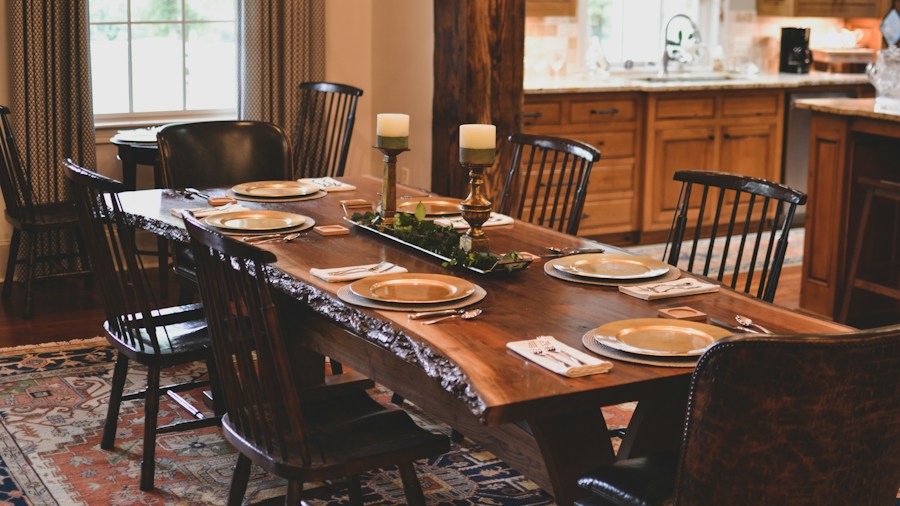
Vinegar has become a go-to household cleaner for many homeowners, and its popularity spans thousands of years of practical use. Beyond the kitchen, vinegar appears in countless cleaning applications throughout the home, from windows to shower screens. One particularly common use is cleaning dining tables, though shoppers should understand both the benefits and important limitations before applying this method to their own furniture.
Why Vinegar Works on Dining Tables
The appeal of vinegar as a dining table cleaner comes down to chemistry and economics. Vinegar is mildly acidic, which makes it exceptionally effective at cutting through grease, the primary culprit behind dirty dining surfaces. Additionally, vinegar possesses antimicrobial properties, meaning it eliminates the everyday bacteria that accumulates on tables where food is served and eaten.
Cost represents another major factor driving its popularity. A single inexpensive bottle can tackle multiple cleaning jobs throughout your home, from bathroom fixtures to kitchen surfaces. This versatility appeals to budget-conscious shoppers who want to avoid purchasing specialized cleaning products for each room. However, this one-size-fits-all approach requires caution, as different table materials demand different treatment strategies.
Glass Dining Tables: An Ideal Application
For glass dining tables, vinegar performs excellently. When diluted with water, it degreases effectively and restores the natural shine to the surface. This makes it a straightforward solution for shoppers with glass tops who want economical cleaning power without harsh chemicals. As dining table design trends evolve with artistic centerpiece installations, keeping glass surfaces pristine becomes even more important for showcasing your table’s true appearance.
Stone and Marble: Where Vinegar Fails
The situation changes dramatically with natural stone and marble dining tables. These luxurious materials require absolute avoidance of vinegar-based cleaning methods. The acidity in vinegar etches into stone and marble surfaces, causing permanent damage and unsightly markings. For shoppers who have invested in high-end stone dining furniture, this is a critical consideration. Commercial stone cleaners specifically formulated to be non-acidic are the appropriate choice for these elegant materials.
Wood Dining Tables: The Complex Case
Wood presents a more nuanced situation. The answer depends entirely on your table’s finish. If your wood dining table features a glossy lacquer coating or has been oiled for protection, vinegar poses a real risk. The acid can dull finishes and compromise the protective layer that keeps the wood looking fresh and beautiful.
However, vinegar is not completely off-limits for wood tables. Industry experts emphasize that the key lies in proper application. The solution must be significantly diluted, and moisture should be minimized during cleaning. Instead of spraying vinegar generously and letting it sit, use a barely damp cloth that you wring out thoroughly before wiping the surface. As dining table styling trends continue to shape how we present our furniture, maintaining the wood’s condition becomes essential to its aesthetic appeal.
Before committing to vinegar on any wood dining table, test your diluted solution on an inconspicuous area first. Choose a spot typically hidden by a table runner or tablecloth. This approach allows you to observe any potential damage in a low-visibility location rather than risking your entire table’s appearance. This cautious testing method protects your investment while still allowing you to benefit from vinegar’s cleaning properties.
The Preparation Process
Proper preparation makes the difference between successful cleaning and permanent damage. For glass tables, a standard water-vinegar mixture works well. For wood, mix vinegar with significantly more water than you might initially think necessary, creating a much weaker solution. For stone and marble, skip vinegar entirely and choose appropriate alternatives.
Always allow any vinegar solution to sit minimally on the surface. Apply it with a cloth, not a spray bottle, giving you better control over moisture levels. The goal is to clean quickly and dry promptly, preventing the liquid from seeping into wood grain or pooling on sensitive surfaces.
What This Means for Shoppers
Understanding your dining table material is now more important than ever before purchasing commercial products or attempting home remedies. As dining tables become statement pieces in contemporary home design, protecting your investment through appropriate care becomes essential. Shoppers with glass tables gain excellent access to an economical cleaning solution, while those with wood tables can use vinegar successfully with proper dilution and testing. Marble and stone table owners should invest in specialized cleaners designed for those materials.
The bottom line is clear: vinegar remains a valuable household cleaner, but its application to dining tables demands material-specific knowledge and careful preparation. Match the cleaning method to your table type, always test first, and your dining surface will remain beautiful for years of entertaining ahead.









Write Your Review
No reviews yet. Be the first to share your experience!