

A viral furniture trend is giving homeowners a creative solution to upgrade overlooked pieces in their spaces. A popular content creator has demonstrated how concrete, a few affordable materials, and some DIY effort can turn an inexpensive metal stool into a durable, stylish addition that rivals designer furniture.
The project centers on using Quikrete concrete mix, a pre-blended construction material that requires only water to activate. By pouring the concrete into a mold and embedding a metal stool base, crafters can create a finished seat with an industrial aesthetic that appeals to modern and rustic decorating styles alike.
What This Means for Shoppers Looking to Upgrade Their Furniture
For budget-conscious home decorators, this trend offers an appealing path forward. The total cost remains remarkably low when compared to buying finished pieces at retail prices. A basic metal stool costs under $10, while a six-pack of stackable stools runs approximately $75. Quikrete bags are inexpensive and widely available at hardware stores. This accessibility means homeowners can create custom furniture pieces without investing significant money.
The makeover approach also addresses a common frustration: finding furniture that matches your specific decorating vision. Rather than settling for mass-produced pieces, this method lets you customize the concrete finish and pair it with base materials that suit your decor scheme. Paint and furniture choices can transform rental spaces on a budget, and concrete work expands those options even further.
How the DIY Concrete Stool Project Works
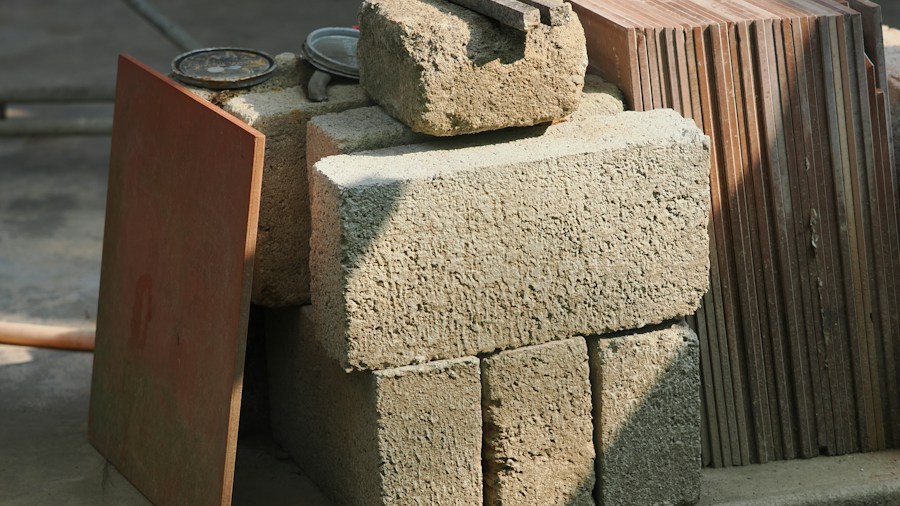
The process requires mixing concrete to a pudding-like consistency, pouring it into a mold (such as a plastic oil pan), and positioning the stool upside-down into the wet mixture. After allowing 24 hours for the concrete to cure completely, you remove the stool and sand the hardened seat smooth. The final step involves using heavy-duty epoxy adhesive to bond the concrete surface to the metal frame.
This straightforward approach removes much of the complexity typically associated with concrete work. You don’t need advanced skills or specialized tools beyond basic supplies available at most hardware stores. The concrete itself handles the heavy lifting in terms of durability and finished appearance.
Customizing Your Concrete Furniture Creation
While the original project pairs concrete with a metal stool, variations abound. You can substitute wooden bases if you prefer a rustic aesthetic, combining materials in ways that reflect current design trends. Smart furniture choices can help renters create personal sanctuaries in their homes, and mixing concrete with wood achieves exactly that blend of personal style and functionality.
For those interested in exploring curated, high-end alternatives, designer furniture collections continue to offer inspiration. New designer collections arrive regularly with innovative approaches to material and form, though this DIY route provides similar design impact at a fraction of the cost.
Why Stools Deserve a Spot in Your Design Plan
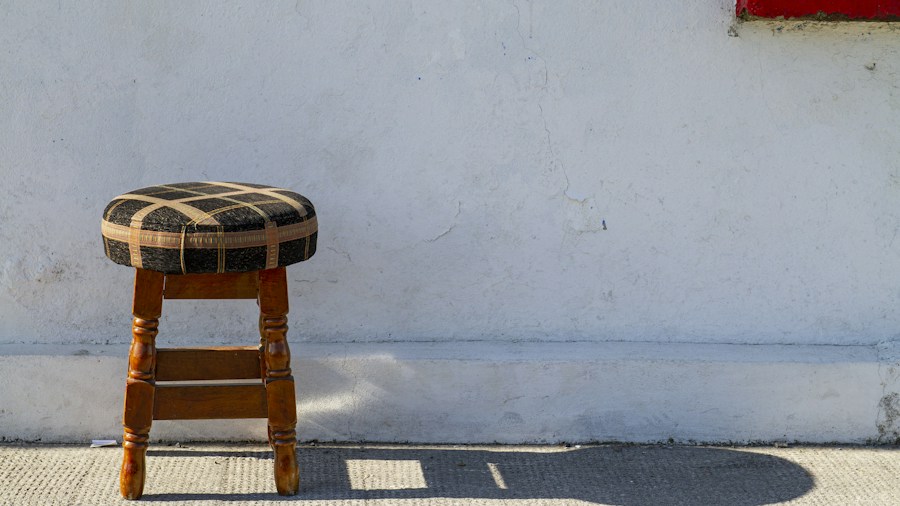
Historically, stools have played supporting roles in interior design, overlooked in favor of chairs, ottomans, and sofas. Yet their versatility actually makes them invaluable. A stool functions as extra seating, a side table for plants or decor, a footrest, or a surface for displaying objects. When upgraded with concrete, they gain visual weight and become legitimate design statements rather than utilitarian afterthoughts.
The concrete treatment gives stools an elevated appearance that works particularly well in industrial, minimalist, and contemporary spaces. The material’s raw, honest aesthetic pairs naturally with metal and wood, creating cohesive rooms without requiring expensive designer purchases.
What Shoppers Should Know Before Starting
Success depends on choosing the right base stool. A stool with a solid or perforated round seat works best, as it provides adequate surface area for the concrete. The concrete itself cures fully within 24 hours, though patience during this waiting period is essential. Rushing the project risks a weak finished piece.
Sanding removes sharp edges and creates a professional appearance, making this step worth the effort. The choice of adhesive matters too, as concrete and metal require bonding agents specifically designed for these materials.
This trend demonstrates that furniture transformation doesn’t require hiring professionals or spending thousands of dollars. With readily available materials and straightforward techniques, homeowners can create custom pieces that reflect their personal style and functional needs. For anyone tired of generic furniture options, this approach opens new possibilities for creative home improvement.










Write Your Review
No reviews yet. Be the first to share your experience!