

As autumn settles in across the country, a biomedical sciences expert is sounding the alarm about the state of your pillows and blankets. After months of summer heat and humidity, your bedding has accumulated far more than just dust. The recommendation is clear: this weekend is the time to wash your pillows, duvets, and blankets before cold weather makes the drying process nearly impossible.
Why Summer Sweat is Building Up in Your Bedding
Throughout the hot summer months, your pillow absorbs sweat, skin cells, and oils from nightly use. Most people focus on washing pillowcases and sheets regularly, but the actual pillow inserts and duvet inserts get overlooked. This is a significant gap in sleep hygiene that comes with real health consequences.
According to biomedical research, a typical pillow can harbor up to 16 different species of fungi. When combined with dust mites, bacteria, and mold spores, your pillow becomes what experts describe as a “micro-ecosystem” of microscopic organisms. These thrive in the warm, nutrient-rich environment created by accumulated sweat and dead skin.
The Health Risks of Dirty Pillows
The buildup of allergens in unwashed bedding directly impacts your health and sleep quality. Inhaling dust mite droppings and fungal spores triggers allergic rhinitis and asthma symptoms. This leads to interrupted sleep, morning congestion, chronic coughing, and overall poor rest quality. For people with existing respiratory conditions or allergies, the impact can be severe.
The reason fall is the optimal time to address this problem is timing related to the seasons. Washing your bedding now strips away the accumulated summer sweat and dead skin before it sits in storage or on your bed throughout winter. As temperatures drop and humidity increases indoors with heating systems running, fungi and mold thrive in damp, dark environments. Cleaning now prevents months of microbial growth during the cold season.
How to Properly Wash Your Pillows
The first step when washing any pillow is checking its care label. Different pillow materials require different approaches. Synthetic and feather pillows can typically go in the washing machine, while foam pillows need to be hand washed to prevent damage to the internal materials.
For stubborn yellow stains on pillows, many shoppers find success with a hydrogen peroxide solution. Mix a simple 3 percent hydrogen peroxide solution, spray it directly on stains, let it set for 30 minutes, scrub gently with an old toothbrush, then wash following the pillow’s specific care instructions.
Consider investing in high-quality pillows that align with your sleep needs. The Bearaby SoftForm Pillow offers natural cooling properties for those struggling with heat retention, though it’s important to evaluate all features before purchasing.
Cleaning Duvets and Blankets
Duvets are notoriously bulky and time consuming to clean, which is why they don’t need washing as frequently as pillows or sheets. A general rule is to wash pillow inserts every 3 to 6 months and duvet inserts every 6 to 12 months. However, at minimum, do a thorough cleaning at the end of summer.
When washing a duvet, run it separately from other bedding on a cold water cycle. Always check the care label first to ensure your specific duvet can handle machine washing. Blankets are thinner and easier to manage. However, weighted blankets require special attention since they’re much bulkier and heavier than lightweight summer blankets.
The Critical Drying Step You Cannot Skip
No matter which washing method you choose, thorough drying is essential and non-negotiable. Bedding that remains damp creates the perfect environment for fungal and mold growth. If your bedding is dryer-safe, use a hot spin cycle and ensure it reaches completely dry before storage or use.
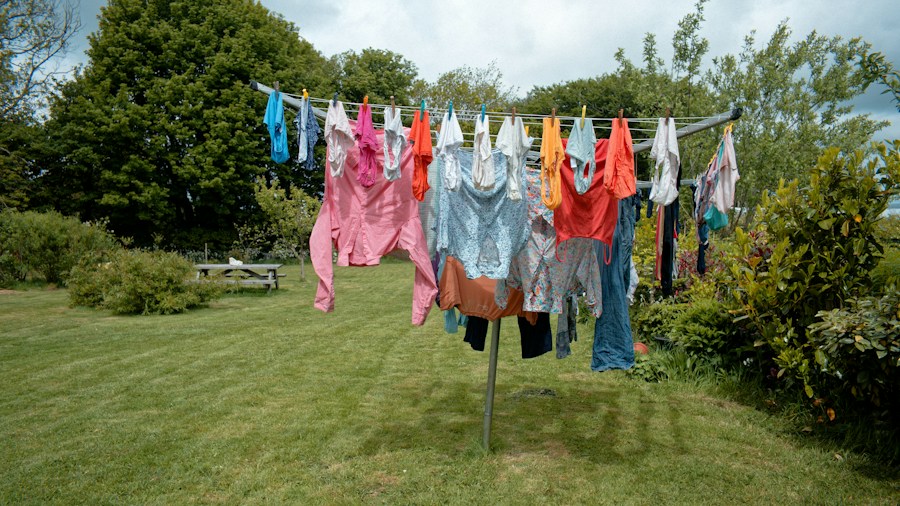
For items that cannot go in the dryer, use a dehumidifier in your bedroom or hang items on a clothesline during warmer, dry autumn days. This is exactly why the present weekend is ideal. Before the clock change, you still have afternoon daylight and relatively dry conditions to air-dry your bedding properly. Once winter humidity sets in, drying takes significantly longer.
Additional Sleep Hygiene Tips
Beyond seasonal deep cleaning, experts recommend flipping pillows and duvets regularly to distribute wear and reduce moisture buildup. Avoid making your bed immediately upon waking. Leaving your bed unmade for a few hours allows moisture from the night to evaporate rather than trap it in the fabric layers.
Even in winter, wash your bed sheets at least once weekly. You continue sweating and shedding skin throughout cold months. During cold and flu season, increase washing frequency to every one or two days if you’re sick, as viruses can linger on fabric surfaces.
New sleep products like aromatherapy candles designed for bedrooms can complement your clean bedding routine and enhance overall sleep hygiene.
Taking the time to properly clean your pillows and bedding this weekend protects both your sleep quality and your respiratory health throughout the coming winter months. Don’t delay this important household maintenance task.












Write Your Review
No reviews yet. Be the first to share your experience!