

A garage without proper heating and insulation becomes unusable once winter arrives. Cold concrete floors, drafty doors, and exposed stud walls allow warmth to escape quickly, making it nearly impossible to work comfortably or productively when outdoor temperatures drop. Tools become brittle, adhesives fail to bond, and any detailed work becomes frustrating. If you want a functional garage workshop throughout the entire year, you need a strategic combination of heating and insulation solutions.
1. Install Ceiling-Mounted Forced-Air Heating
Portable space heaters rarely deliver enough power to warm an entire garage. Instead, consider a ceiling-mounted forced-air heating unit designed specifically for workshop spaces. These hardwired models come with thermostats and remote controls, allowing you to set your desired temperature and let the system maintain it automatically. Position the heater in a corner, angled downward at 45 degrees for optimal heat distribution.
The main limitation of ceiling-mounted heaters is that floor-level temperatures may remain cold. Supplementing with a baseboard heater near your workbench solves this problem. Hydronic baseboard heaters circulate hot water through pipes, radiating warmth at ground level where you need it most.
2. Insulate Walls with Fiberglass Batts and Drywall
No heating system works efficiently in an uninsulated garage. Most garage walls consist only of studs with exterior sheathing, allowing cold air to transfer inside and quickly neutralize any heat your heaters produce. Insulating your garage walls is a straightforward DIY project that yields dramatic results. Install fiberglass batt insulation between each stud cavity, then cover the interior walls with drywall, plywood, or oriented strand board. This insulated barrier traps heat inside and reduces your heating bills substantially.
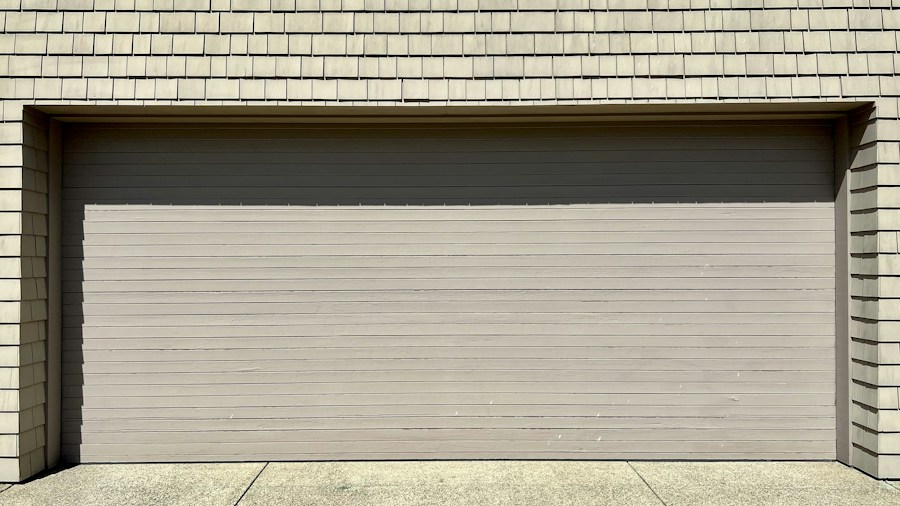
3. Insulate Your Garage Door
Metal garage doors are notorious heat loss culprits. In northern climates, frost frequently coats the interior surface of uninsulated doors. Installing garage door insulation can increase interior temperatures by 10 to 12 degrees even before you activate any heating equipment. Preassembled insulation kits contain everything needed for installation and are available for both single and multi-door garages. Measure your doors carefully to ensure you purchase the correct number of kits for complete coverage.
4. Seal Air Leaks Around Doors and Windows
Cold drafts creep through gaps around garage doors, thresholds, and windows. Address these three primary leak sources: apply self-adhesive weather-strip seals around the garage door frame to close gaps where cold air enters. Replace the rubber seal at the bottom of the door if it’s cracked or brittle, as this threshold deteriorates over time and loses effectiveness. For windows, use shrink-type film kits applied to the interior glass; heat the film with a hair dryer to create an airtight seal that blocks drafts.
5. Choose Propane Heating for Cost-Effective Warmth
Many garages lack natural gas connections, making propane a practical alternative to expensive electric heating. A standard 20-pound propane tank powers smaller heaters, while larger operations benefit from a 500-gallon tank with a plumbed gas line. Propane heaters generate substantial heat without overloading electrical circuits, and vent-free models burn cleanly and safely indoors. Consult local building codes regarding gas line installation requirements before proceeding with setup.
6. Consider Radiant Heating Systems

Radiant heaters operate differently than forced-air systems. Instead of warming the air, they emit infrared energy that directly warms you and surrounding objects, similar to standing in sunlight on a cold day. Ceiling-mounted radiant heaters work efficiently in garages and keep wood chips and dust from circulating through your workspace. For those planning major garage renovations, radiant floor heating offers ultimate comfort. This system requires professional installation before pouring concrete and costs approximately 5 to 9 dollars per square foot, but it eliminates cold floors permanently.
7. Insulate Floors with Protective Coverings
Concrete floors remain painfully cold regardless of air temperature. Cover them with an indoor/outdoor rug that’s easy to clean, or install interlocking rubber mats designed for gym flooring. These coverings both insulate the floor and provide cushioning, making it comfortable to stand or kneel for extended periods during repairs and detailed work.
Creating a warm, insulated garage requires multiple strategies working together. Start with wall and door insulation to establish your thermal envelope, then add appropriate heating for your climate and budget. Seal leaks, protect your floor, and you’ll transform your garage into a year-round workshop where projects get done regardless of the season.











Write Your Review
No reviews yet. Be the first to share your experience!