

Native wild bee populations are facing steep decline across North America, and your garden can become a vital refuge during the critical autumn and winter months. Unlike honeybees, the majority of wild bee species spend their winters in your yard, nesting in soil, dead stems, and brush piles. By making strategic choices during your fall garden cleanup, you can provide essential habitat and food sources that help these pollinators survive until spring.
1. Create and Maintain Leaf Litter Piles
Rather than clearing every fallen leaf from your property, designate a corner or section of your garden for leaf accumulation. Bumble bee queens burrow into leaf mulch to hibernate, and these piles also shelter countless beneficial insects. Leave leaves along flower bed borders, hedge bases, or tucked into back corners. If you need to keep pathways and patios clear for safety, simply sweep or rake leaves into these designated areas. This simple practice serves double duty: it provides crucial bee habitat while adding organic matter that improves soil health and moisture retention.
2. Adjust Your Fall Pruning Strategy

Many gardeners cut back perennials and annuals aggressively in autumn, but this destroys nesting sites for tunnel-nesting bees like leafcutters and small carpenter bees. Instead, leave most plant stems standing through winter. If you’re concerned about curb appeal in a front garden, compromise by cutting stems down to about one foot tall rather than all the way to ground level. This maintains some nesting structure while keeping your yard looking reasonably maintained. Skip the pesticides throughout fall and winter, and your garden will support both bees and birds foraging on seedheads.
3. Preserve Cut Stems and Seedheads Separately
When you do prune, resist the urge to toss stems into your compost bin. Many bee species nest inside hollow stems, and some may have already begun their winter cycle inside them. Instead, create a loose pile of cut stems, seedheads, and plant debris either on the ground or behind a shed. Pithy stems from elderberry, raspberry, hydrangea, and Joe Pye weed are especially valuable to cavity-nesting bees. This pile provides both shelter for existing bee residents and accessible nesting material for other species while allowing birds to feast on the seeds.
4. Build Brush Piles and Preserve Dead Trees
Save branches and twigs from fall pruning to create dense brush piles in your landscape. These don’t need to be enormous, but they should be fairly tight and compact to provide cavities that shelter bees from rain and cold. Bumble bees particularly benefit from these structures. If you have dead or dying trees on your property that won’t pose a safety hazard, consider keeping them as snags. Beetles naturally tunnel through dead wood, creating perfect cavity homes for future bee generations. If a snag seems too tall for your comfort, trim it to a manageable height rather than removing it entirely.
5. Leave Cane Fruits Partially Standing
Raspberries, blackberries, and boysenberries are popular nesting sites for wild bees. In October, many gardeners cut out dead canes completely, but this removes valuable nesting habitat. Instead, trim dead canes to about one foot tall. Since cane fruits only produce fruit in their second year, this approach gives cavity-nesting bees sturdy structures to use while you’ll still get fruit production next season. This strategy supports bee populations while maintaining a reasonably tidy garden appearance.
6. Protect Bare Soil Patches
The majority of wild bee species are ground nesters that need undisturbed soil to excavate their burrows. Reserve or create patches of bare soil in sunny locations, even just a few square feet makes a difference. Sandy or loamy soils are ideal for digging. Many gardeners worry that bare patches look untidy, but you can maintain the area as wild habitat rather than a manicured garden space. Mark these zones with plant labels as a reminder to leave them completely undisturbed, with no tilling or cleaning even during the off-season. Left alone, these areas may shelter hundreds or thousands of individual bees.
7. Provide Late-Season Flowering Plants
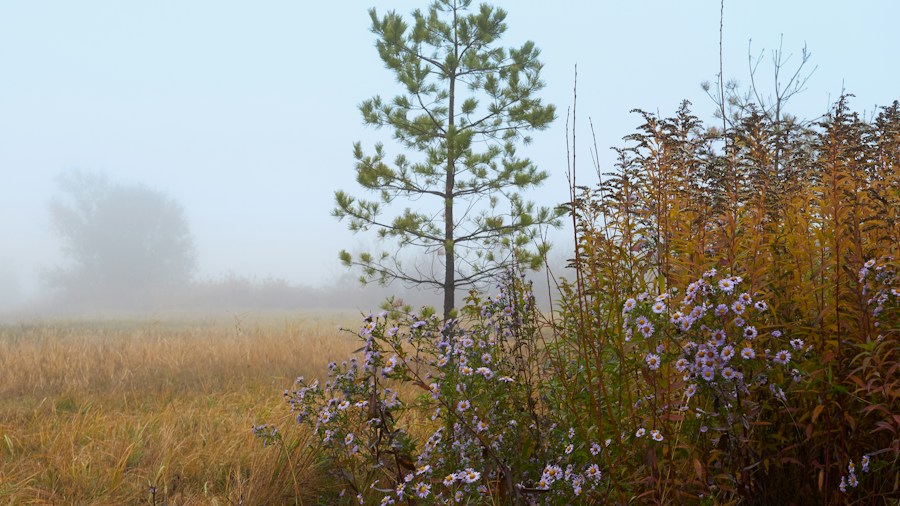
Alongside habitat creation, ensure late-season forage is available for any remaining bees in fall and emerging bees in early spring. Native goldenrod and asters bloom late into the season, providing crucial pollen and nectar. Morning glories, penstemon, and flowers with flat cluster formations also attract diverse bee species. When planning your garden with native late-season blooming plants, prioritize species native to your region with staggered bloom times from spring through fall. This diversity supports different bee species with varying emergence and feeding schedules.
Start Small, Make a Big Difference
The core principle for supporting overwintering bees is simple: do less tidying and less cutting back. Leaf litter, brush piles, bare soil, and dead stems all serve as essential homes where wild bees produce their offspring through winter. You don’t need special bee hotels or elaborate structures. By resisting the urge to over-clean your garden in fall, you’re actively participating in bee conservation. Your landscaping choices can support hundreds or thousands of individual bees, helping ensure these vital pollinators thrive for seasons to come.












Write Your Review
No reviews yet. Be the first to share your experience!