

Upcycled Home Decor Takes Off with Creative Beer Bottle Coffee Table Projects
A growing movement in sustainable home design has sparked renewed interest in transforming everyday items into functional furniture. One particularly popular project involves repurposing empty beer bottles by embedding them into a concrete base topped with tempered glass, creating a distinctive coffee table that serves as both conversation piece and environmental statement. This DIY trend reflects a broader shift toward personalized, eco-friendly home furnishings that allow homeowners to express creativity while reducing waste.
What Shoppers Are Choosing Instead of Store-Bought Tables
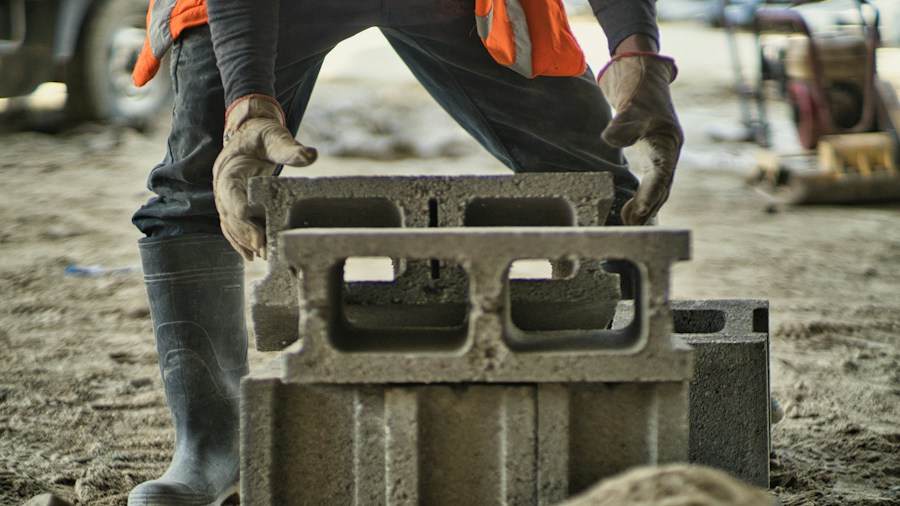
Rather than purchasing mass-produced coffee tables, consumers increasingly embrace projects that combine recycled materials with custom craftsmanship. The beer bottle concrete table has emerged as a accessible entry point for DIY enthusiasts, requiring only basic materials: cardboard, painter’s tape, concrete mix, old beer bottles, and a trowel. The final step involves commissioning a custom piece of tempered glass for the tabletop. This approach appeals to shoppers seeking one-of-a-kind pieces that reflect personal style while maintaining affordability compared to high-end designer alternatives. Some homeowners pair this project with modern conversational living room layouts that prioritize meaningful gathering spaces over traditional entertainment setups.
Sizing and Material Considerations for Your Project
The size of your finished coffee table depends entirely on bottle selection and quantity. Standard 12-ounce long-neck beer bottles measure approximately nine inches tall with a 2.4-inch diameter, producing a tabletop roughly 22 inches across when nine bottles are arranged with appropriate spacing. For smaller side tables, seven-ounce bottles work well, while 22-ounce bombers create a more substantial statement piece. Concrete selection also matters significantly. Ready-mix bags offer convenience, but avoid products containing large aggregate pieces that compromise smoothness. Quikrete Sand and Topping Mix suits craft projects but works best at two-inch maximum thickness, while Quikrete Concrete Mix provides greater strength with small 3/8-inch aggregate sizing ideal for finishing.
Building Your Coffee Table: Step-by-Step
Construction begins by creating a cardboard former with a circular base and a band featuring holes sized precisely for your selected bottles. Cut holes snugly to prevent concrete seepage, then tape the ring securely to the base. Mix concrete according to package directions and pour a level base layer, ensuring stability and preventing rocking. Some builders insert bottles immediately into soft concrete, while others wait for partial hardening to maintain better positioning. Fill gaps between bottles with additional concrete, optionally using painter’s tape along bottle edges for clean lines. This preparation phase determines whether your finished product will have professional appearance or rustic charm.
Before concrete fully sets, measure and order custom tempered glass for your tabletop. Tempered glass outperforms standard glass significantly in strength and safety, though it requires professional cutting since home tools cannot achieve proper results. Even tempered glass merits precaution, making anti-slip pads a worthwhile investment to prevent shifting. Contemporary coffee table designs often incorporate modern materials, making this upcycled project a distinctive alternative to conventional options.
Finishing and Base Support
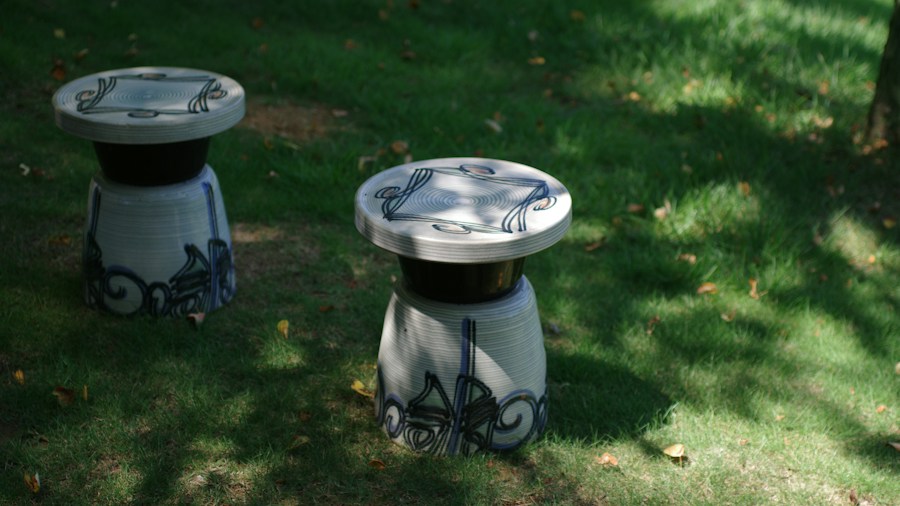
Once concrete hardens completely, remove the cardboard mold and paint the exposed surfaces with outdoor water-based acrylic paint for durability and weather resistance. Check manufacturer recommendations regarding primer requirements. Clean edges from painter’s tape create professional results. The original design sits on a five-gallon paint bucket, though this can appear unstable given the tabletop’s substantial weight. Adding a couple inches of concrete inside the bucket increases stability considerably. Prepare the bucket by cleaning with warm soapy water and sanding the surface so acrylic paint adheres properly. Position your tempered glass top carefully, securing it with clear anti-slip pads to prevent accidental movement. Current design trends often emphasize mixed materials and personalized touches, making this project particularly timely for homeowners seeking distinctive pieces.
What This Trend Means for Home Decor Shoppers
The rise of beer bottle coffee table projects signals shifting consumer preferences toward customization, sustainability, and hands-on creativity. Rather than accepting limited retail options, shoppers now seek inspiration for transforming ordinary materials into extraordinary furnishings. This democratization of home design empowers individuals to create pieces matching their exact specifications and aesthetic preferences. Whether motivated by environmental concerns, budget consciousness, or simply the desire for something unique, consumers embracing these projects join a larger movement toward intentional home curation that values storytelling and personal investment over mass production.












Write Your Review
No reviews yet. Be the first to share your experience!