

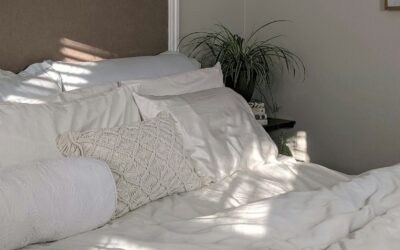
Yellow stains on a mattress can make even a relatively new bed look worn and neglected. Body fluids like sweat, urine, sebum, and skin oils naturally oxidize over time, seeping through protective layers and creating stubborn discoloration. Beyond the cosmetic concern, these stains can harbor bacteria that pose health risks to you and your family. Rather than immediately replacing a mattress that still has years of life left, a simple two-ingredient cleaning method costing under $5 can restore it to like-new condition.
Why Yellow Stains Develop on Mattresses
Mattress stains typically result from bodily fluids that accumulate over weeks or even months. Sweat, accidental spills, and other moisture sources don’t just sit on the surface: they permeate through sheets and into the mattress material itself. As these fluids oxidize chemically, they transform into yellow or brown discoloration that becomes progressively harder to remove the longer it sits. Many shoppers don’t notice stains immediately because they only appear when light hits the mattress at certain angles, or when enough time has passed for the oxidation to become visible. A practical approach is to inspect your mattress whenever you change sheets, catching stains early before they set permanently into the fabric and foam.
The Two Ingredient Solution
A hydrogen peroxide and baking soda combination works as a powerful yet gentle stain fighter. Hydrogen peroxide functions as both a disinfectant and mild bleaching agent, killing bacteria while breaking apart the chemical bonds that create yellow pigmentation. Baking soda acts as an absorbent sponge, drawing out the dissolved stain and neutralizing odors rather than masking them temporarily with fragrance. Together, these two common household items create a chemical reaction that lifts stubborn discoloration from mattress fibers. For best results, use 3% hydrogen peroxide diluted in a 50/50 ratio with water. The total cost for both ingredients, if you don’t already have them at home, comes to approximately $3 to $4.
One important note: avoid using this method on dark-colored mattresses or delicate fabrics like silk or wool, as hydrogen peroxide’s mild bleaching effect can cause unwanted lightening.
Step by Step Cleaning Process
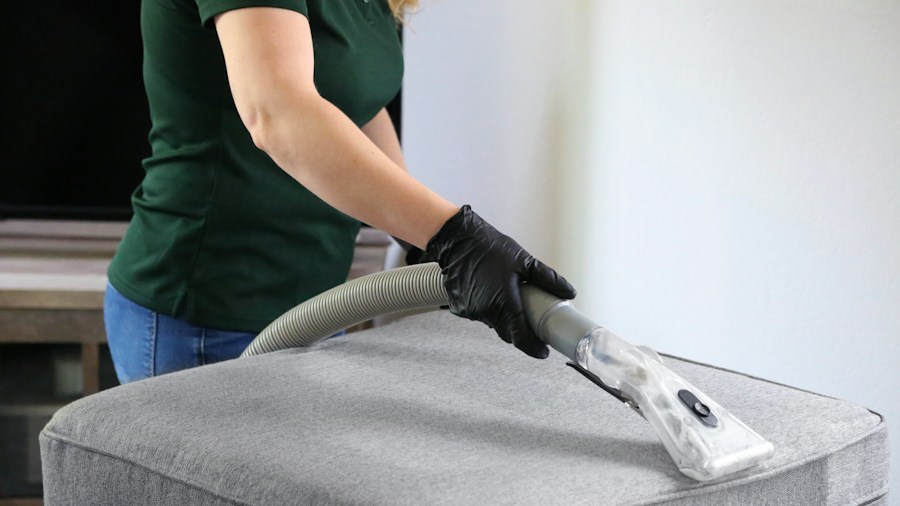
Begin by thoroughly vacuuming your entire mattress using the upholstery attachment on a standard vacuum cleaner. Pay special attention to seams, tufts, and creases where dust mites, skin cells, and allergens accumulate. This initial step removes debris that could interfere with the stain treatment.
Next, lightly mist the stained area with your hydrogen peroxide solution using a spray bottle. For oily stains caused by hair products or body lotions, add a few drops of clear dish soap to help break down grease. For sweat or urine stains, skip the soap and proceed directly to the next step.
Sprinkle baking soda generously over the misted area. The powder will absorb moisture as the hydrogen peroxide breaks down stain compounds. Leave this mixture undisturbed for several hours to allow adequate time for the chemical reaction to work. If you’re dealing with a particularly stubborn stain, leaving it overnight can improve results.
Once the treatment has had sufficient time, vacuum up the now-damp and clumpy baking soda residue. Assess whether the stain has fully disappeared. If staining persists, repeat the entire process. For complete residue removal, wipe the area with a damp microfiber cloth.
Critical Drying Requirements
Proper drying is essential to prevent mold and mildew growth. For light spot cleaning, allow at least four hours of air drying in a well ventilated room. If you saturated the mattress during cleaning, extend drying time to a full 24 hours. Open windows on warm, sunny days to maximize air circulation. Never put fresh sheets on a mattress that hasn’t fully dried, as trapped moisture creates an ideal environment for mold development.
Prevention Through Mattress Protection
A quality mattress protector is your best defense against future staining. Without one, your mattress becomes absorbent for sweat, bodily fluids, dust mites, and allergens. Even protectors that claim water resistance may not be 100% waterproof, allowing some seepage over time. As part of maintaining a healthy sleep surface, consider using effective cleaning techniques to manage dust mites and allergens alongside protective barriers. Investing in a truly waterproof protector means you’re protecting both your mattress investment and your sleep quality.
For shoppers wondering whether to repair or replace a stained mattress, this inexpensive cleaning solution offers a practical middle ground. Budget friendly mattress options are increasingly available if replacement becomes necessary, but cleaning allows you to extend the life of a mattress that still provides proper support and comfort. Regular inspection, prompt stain treatment, and consistent use of protective layers work together to keep your mattress looking and feeling fresh for years to come.






Write Your Review
No reviews yet. Be the first to share your experience!