

Professional interior designer Amber Lewis has shared the structured system that guides every one of her projects, no matter the size or complexity. Her approach, detailed in her recent book, breaks the often overwhelming task of home design into six distinct phases that shoppers and DIY decorators can use to make sense of their own renovation or redesign work.
Understanding this framework can transform how homeowners approach their spaces. Rather than jumping straight into purchases, Lewis emphasizes a thoughtful progression that ensures every decision aligns with a clear vision.
The Six Ps: A Complete Design Roadmap
Lewis organizes every project around what she calls the Six Ps: Ponder, Play, Procure, Patience and Panic, Pull It Together, and Pride. This methodology works across all styles and budgets, offering a repeatable structure that keeps the design process from becoming chaotic or directionless.
The first phase, Ponder, is the spark of inspiration and vision. This is where you determine what a room actually needs to feel like before buying anything. Lewis stresses that skipping this step leads to homes filled with items that do not complement each other. Take time to dream, clarify your goals, and establish a focused direction for the space.
Play is where experimentation happens. Gather fabric swatches, explore color schemes, and create mood boards without commitment. This phase embraces mistakes and exploration, allowing you to test ideas inexpensively before spending real money. Some concepts will work; others will not, and that is entirely expected.
Procure is the shopping phase. This is when you hunt for pieces from vintage markets, flea markets, online platforms, and furniture showrooms. Vintage 80s lampshades and other thrift store treasures often become centerpieces of well-designed rooms during this stage.
Patience and Panic describes the waiting period when items are on order and being delivered. Something will arrive damaged, be discontinued, or simply not work as imagined. This is not a failure; it is a normal part of the process that requires flexibility and problem-solving.
Pull It Together is install week, when all earlier decisions prove themselves in the actual space. The final phase, Pride, is the satisfaction of completing the project and enjoying the finished result.
How to Shop Smarter for Vintage and Special Pieces
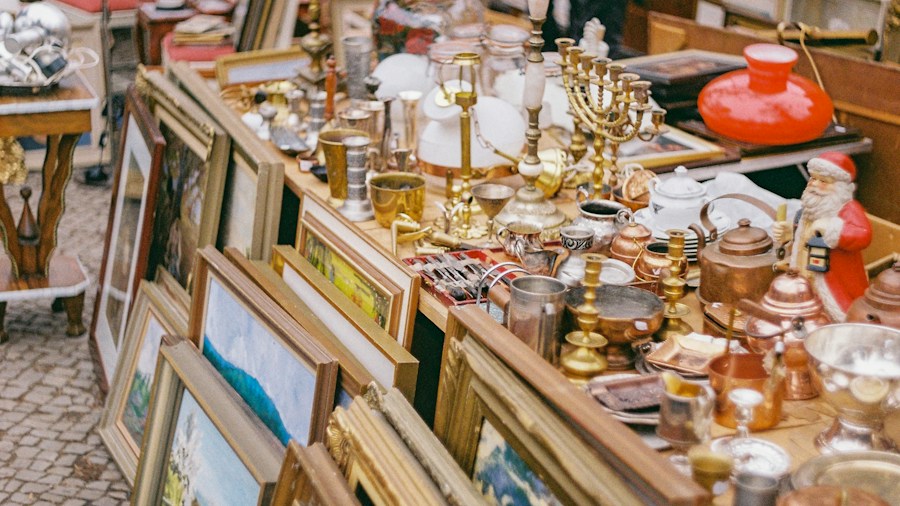
Lewis uses two distinct strategies when sourcing vintage items. For specific pieces like a particular-era light fixture, she relies on online platforms such as Chairish, 1stDibs, Etsy, and eBay, using detailed search terms to narrow results. Pinterest has also become valuable for finding vendors through commerce-focused keyword searches.
When shopping for inspiration or building stock for future projects, Lewis hits local brocantes, flea markets, and antique fairs. Victorian fan vases and other classic finds often catch her eye, even when she has not yet identified where they will go. She buys pieces she loves, trusting that a home will eventually emerge around them.
For curated art and specialized pieces, working with subject-matter experts and art vendors adds professional-level curation that pure aesthetics alone cannot achieve.
Finishing Touches That Create a Lived-In Feel
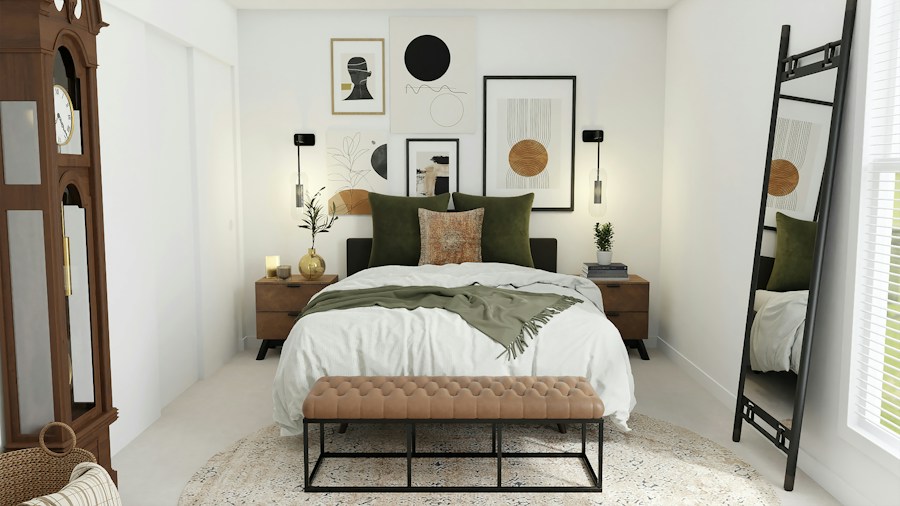
The difference between a showroom and a true home lies in layering and careful styling. Lewis emphasizes that creating that finished feeling is never about one big move; it is always a dozen small ones. Mix vintage finds with new pieces, combine different textures on a bed, and arrange books and objects to look collected rather than purchased all at once.
Choosing timeless paint colors that anchor your overall design helps ensure these smaller styling choices work harmoniously together. Small decisions about throw blankets, vases on side tables, and shelf styling create warmth and personality that shoppers often overlook.
Lewis reminds homeowners that a house is never truly finished. This ongoing evolution is what keeps a home feeling lived-in rather than static or staged.
Key Takeaways for Your Own Project
For anyone undertaking their own design project, Lewis offers practical guidance. Never skip the Ponder phase, no matter how tempting it is to jump straight to paint samples and Pinterest boards. That invisible planning work prevents expensive mistakes and misaligned choices down the line.
DIY decorators should lean into the Play phase, giving themselves permission to experiment with samples and mood boards before committing money. Expect setbacks during the Patience and Panic stage, knowing that delays and damaged shipments are universal experiences, not signs of personal failure.
By following this structured approach, shoppers and homeowners gain confidence in their decisions and avoid the paralysis that often comes with major design changes. The Six Ps transform interior design from an overwhelming task into a manageable, even enjoyable journey toward a home that truly reflects personal style and values.







Write Your Review
No reviews yet. Be the first to share your experience!