

A celebrated landscape designer’s two-decade transformation of his California backyard offers valuable lessons for homeowners looking to create their own outdoor sanctuaries. By combining horticulture, antique collecting, and climate-smart plant choices, today’s garden enthusiasts can build spaces that feel mature, soulful, and sustainable all at once.
Starting from Scratch: Building Your Garden Foundation
When beginning a garden project, many homeowners feel overwhelmed by bare dirt and limited vision. The reality is that great gardens rarely emerge fully formed. A California landscape professional spent 20 years transforming 9,000 square feet of bare land into a thriving tropical escape, starting with no special horticultural background whatsoever.
The turning point came when witnessing a single rubber plant unfurl a new leaf sparked a passion that led to formal horticulture studies. This teaches an important lesson for shoppers: you don’t need to be a natural gardener to create something beautiful. What matters is genuine curiosity and willingness to learn.
One counterintuitive design principle that works especially well in smaller spaces is choosing large plants rather than small ones. Oversized plantings make confined yards feel grand and abundant. Large Philodendron selloum specimens with Ligularia beneath them demonstrate how bold planting choices create visual impact without requiring extensive acreage.
Scale and Selection in Shade Gardens
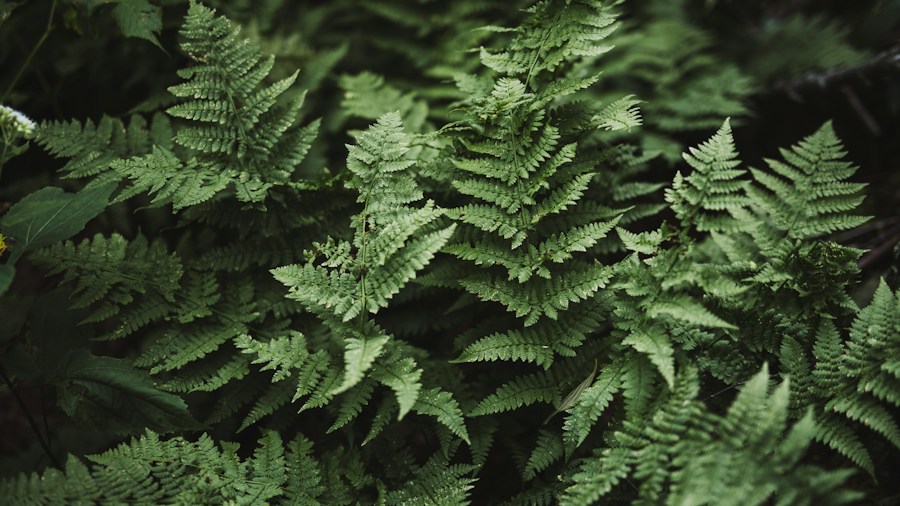
Shade gardens present unique opportunities for dramatic foliage plants. Collecting specimen plants like staghorn ferns over many years can transform them into signature garden features. What began as modest plants in college grew into oversized specimens that now define the entire space.
For those shopping for shade-tolerant plants, prioritize quality specimens you genuinely love rather than filling space quickly. When selecting plants for your own garden, consider how they’ll mature and what role they’ll play in the overall composition. Martha Stewart’s Top Shrub Pick for Fall Gardens offers additional guidance on choosing specimens that provide long-term visual interest.
The Role of Collected Objects and Vintage Pieces
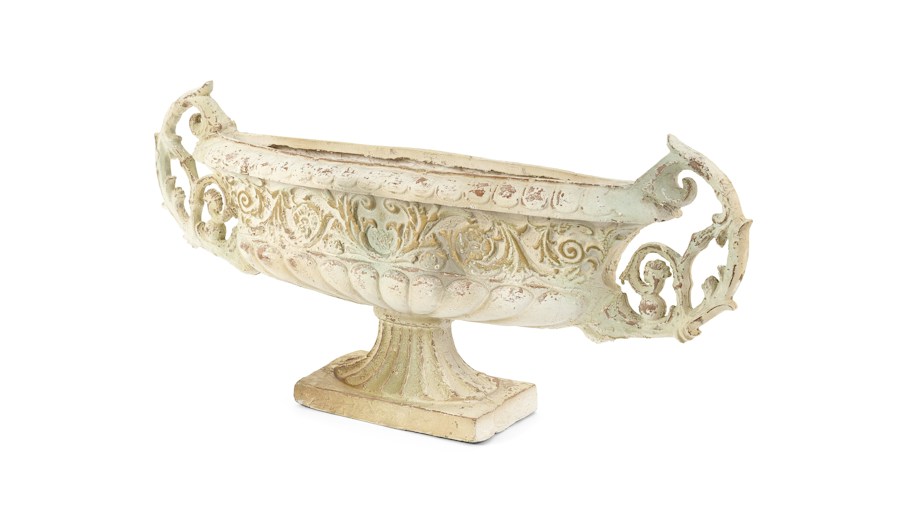
Integrating antique and vintage objects into garden spaces has become increasingly popular among homeowners seeking character and uniqueness. Rather than purchasing new decorative items, many now source fountain bases, vessels, chairs, and garden sculptures from flea markets, antique dealers, and salvage yards.
A fountain discovered in South Carolina became the central axis for one designer’s entire garden layout, demonstrating how a single meaningful object can spark broader creative vision. Pieces collected from Paris, Italy, and southern Spain show that dedication to finding unusual items rewards shoppers with truly one-of-a-kind garden elements.
When shopping for garden antiques and vintage pieces, embrace the worn appearance. Chipped paint, rust, broken edges, and uneven surfaces add authentic character that brand-new items simply cannot replicate. This aesthetic philosophy, rooted in the Japanese concept of wabi-sabi, celebrates imperfection and the patina of age.
Embracing Wabi-Sabi in Your Garden Design
Wabi-sabi, the Japanese principle of finding beauty in impermanence and imperfection, has profound applications for modern garden shoppers. Rather than pursuing polished, pristine spaces, gardeners increasingly value worn surfaces, weathered finishes, and items that show signs of lived experience.
This philosophy extends to all garden elements. A farm table that’s halfway falling apart holds more character than a new one. Turquoise-blue chairs collected from the south of France appeal precisely because wear marks show where people have sat for years. Even garden fountains need not be perfectly level; a slight sink on one side becomes part of the charm.
Attract Owls to Your Fall Garden: What to Do Now demonstrates how natural, lived-in gardens support wildlife while providing the authentic aesthetic many modern homeowners prefer.
Adapting to California’s Climate Challenges
California’s hot summers demand realistic plant choices and irrigation strategies. Maintaining traditional English lawns in this climate consumes excessive water and creates ongoing maintenance headaches. Forward-thinking gardeners now embrace native grasses and drought-tolerant plants that thrive in regional conditions.
Shade-tolerant tropical plants require surprisingly little supplemental water once established, making them excellent choices for conscious homeowners. Rather than relying on automatic irrigation systems that water indiscriminately, successful gardeners test soil moisture with a finger or probe before watering.
This approach shifts water savings from thousands of gallons annually. As gardens mature, their water needs decrease substantially. Many homeowners fail to adjust automatic systems downward, wasting tremendous resources. Beautyberry Shrub Fall Planting Guide provides additional perspective on selecting plants suited to your regional climate.
Creating Gardens That Evolve
The most important lesson for shoppers is that gardens should never feel finished. Successful outdoor spaces remain dynamic, allowing for new plants and collected pieces to integrate over time. A garden designed 20 years ago looks fundamentally different today, yet each phase brought learning and joy.
When investing in plants, hardscape materials, and garden furnishings, plan for evolution and growth. Choose foundational elements that will develop character with time rather than require constant replacement. Your garden should feel warm, nurturing, and full without appearing overly designed or formal.










Write Your Review
No reviews yet. Be the first to share your experience!