

A new conversation about workplace wellness is reshaping how companies think about office design. Recent insights from Steelcase research reveal that loneliness in the workplace is becoming a serious concern, and the physical environment where people work plays a surprisingly large role in whether employees feel connected or isolated. Understanding these findings can help office shoppers make smarter decisions about furniture, layout, and space planning.
The Loneliness Problem Hitting Modern Offices
Loneliness at work has emerged as an unexpected challenge for companies across industries. While many leaders assumed remote work preferences drove this trend, recent data suggests something different. Surprisingly, 77 percent of Generation Z employees actually prefer working in the office, primarily because they value mentoring relationships and professional growth opportunities. This desire for in-person connection underscores a deeper human need that remote-only policies cannot fully address. Yet conventional office spaces are not automatically delivering the community and interaction that younger workers crave.
The disconnect points to a fundamental flaw in how many offices are currently designed. Technology has become ubiquitous in workplaces, and while digital tools promised to enhance collaboration, they sometimes do the opposite. AI and automation, though valuable for productivity, can inadvertently reduce the spontaneous human interactions that build trust and belonging. Office shoppers selecting furniture and layout solutions should recognize that the built environment directly influences whether meaningful connections happen or people remain isolated despite working in the same physical space.
Why Physical Proximity and Furniture Matter More Than You Think
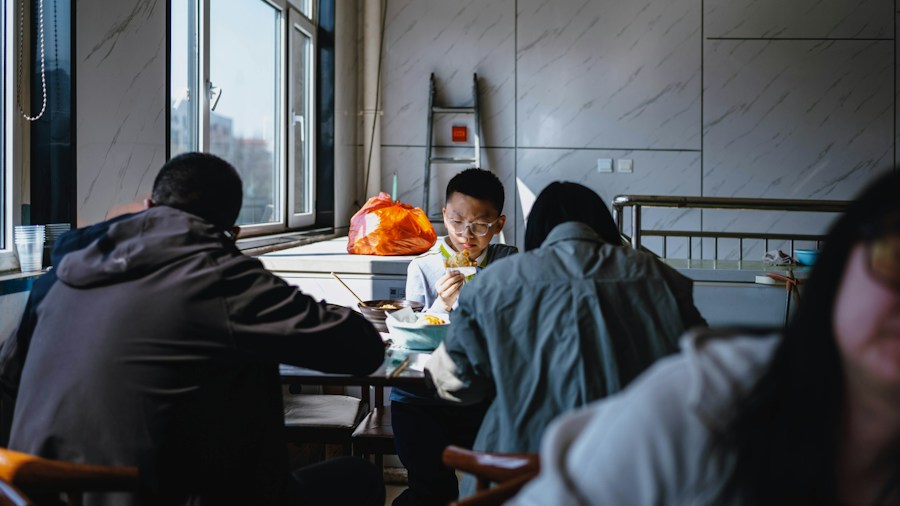
Sociological research demonstrates that proximity and physical space are fundamental to human connection. The furniture you choose, the distance between workstations, and the design of common areas all shape whether colleagues actually interact. A poorly arranged office filled with high cubicle walls creates barriers that discourage conversation. In contrast, thoughtfully designed spaces with appropriate seating arrangements, accessible desks, and open zones encourage spontaneous encounters and relationship building.
The built environment functions as a silent communicator of organizational values. When companies invest in quality, human-centered design, they signal that employee wellbeing matters. Strategic placement of office chairs and collaborative surfaces can transform a sterile corporate floor into a space where people naturally gather and connect. Steelcase expertise in this area highlights how workspace design is not merely aesthetic: it is a driver of employee satisfaction, retention, and mental health.
Leadership and Culture Set the Stage
Office design alone cannot solve loneliness. Leadership plays an equally critical role in fostering community and building trust. Managers and executives who prioritize relationship building create cultures where employees feel valued and connected. They use physical spaces intentionally, hosting team gatherings in these environments and modeling openness to informal conversation. When leaders treat the office as a hub for connection rather than just a place to get work done, employees respond by showing up and engaging more fully.
For office shoppers, this means choosing solutions that support collaborative work styles. Look for seating options that encourage flexibility and movement. Select furniture that allows spaces to transform from focused work areas to informal gathering zones. These investments send a clear message to staff about organizational priorities.
The AI Factor: Will Technology Worsen Isolation
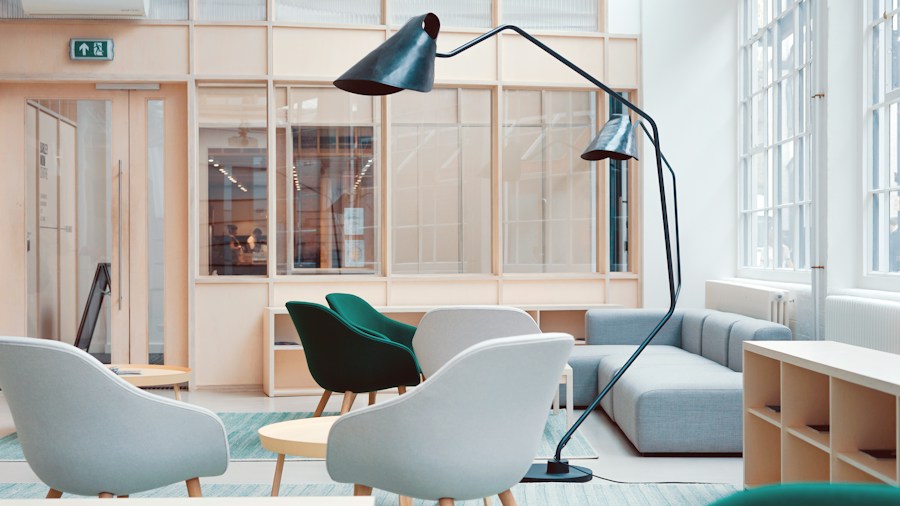
As artificial intelligence becomes standard in workplace operations, concerns grow about further erosion of human connection. AI handles routine tasks efficiently, which can free people for higher-value work. However, when AI removes reasons for colleagues to interact or when companies lean too heavily on digital communication, the net effect may be increased isolation rather than liberation. The future relationship between AI and human connection remains uncertain, making intentional office design even more critical.
What This Means for Office Shoppers Today
If you are selecting office furniture and planning workspace layout, the latest research suggests prioritizing solutions that facilitate human interaction. Choose modular, flexible designs that support both focused work and collaborative activities. Ensure common areas have adequate comfortable seating. Plan sight lines that allow people to see one another. Invest in quality, durable pieces that signal organizational commitment to employee experience. These decisions directly influence whether your office becomes a place where people thrive and connect, or simply a location where they pass time in isolation.










Write Your Review
No reviews yet. Be the first to share your experience!