

Makita Enters the Multi-Head Drill Market with New DDF491 Model
Power tool makers have been quietly expanding their product lines with versatile, convertible drilling solutions, and Makita has just announced its entry into the multi-head drill segment. The company unveiled the DDF491, an 18-volt cordless drill driver featuring four interchangeable tool heads designed for the professional and serious DIY crowd. This move signals that the compact, modular drill category is gaining mainstream traction across brands and skill levels.
What the DDF491 Offers and How It Works

The Makita DDF491 is built on the company’s 18V LXT battery platform, which means it integrates seamlessly with existing Makita cordless tools if you already own batteries and chargers in that system. The drill comes bundled with four distinct heads: a traditional keyless chuck for standard drill bits, a quick-release 1/4 inch hex chuck for screwdriver bits, an offset adapter with hex chuck for confined spaces, and a right-angle head for tight corners and overhead work. The right-angle attachment features its own interface, allowing you to swap in the drill or driving chucks as needed.
Performance specs lean toward balanced versatility rather than raw power. The tool delivers variable speeds from 0 to 500 RPM and 0 to 1,900 RPM depending on your drilling mode, with a maximum fastening torque of 27 Newton-meters on softer materials and 50 Newton-meters for harder fasteners. An integrated LED light with pre-glow and afterglow functions helps visibility in dim work environments.
How This Compares to Competing Options
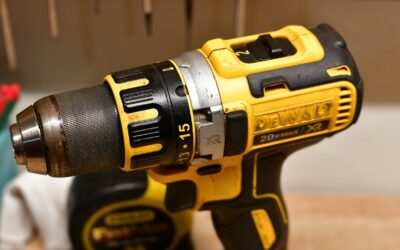
Multi-head cordless drills are not new, but they remain relatively uncommon in the U.S. market. Makita has been expanding its cordless platform offerings consistently, and this tool demonstrates the brand’s commitment to product innovation. The closest competitor in the American market remains DeWalt’s Atomic 20V Max multi-head model, which launched last year. Bosch offers a compact 12-volt version that has gained popularity with cabinet installers and renovation specialists who need precision in tight spaces. Milwaukee also produces a competitive model that appeals to contractors seeking lightweight alternatives to traditional drilling setups.
What sets Makita’s approach apart is the focus on compatibility with its extensive 18V LXT ecosystem. If you own multiple Makita 18V tools, adding this drill means one fewer battery platform to manage. The torque specifications suggest this tool bridges the gap between impact drivers and traditional cordless drills, offering more control than an impact driver while delivering more power than a basic screwdriver.
Availability and Pricing: The Catch for U.S. Shoppers

Here is where the news gets frustrating for American consumers: the DDF491 has launched in Europe and select international markets, but U.S. availability remains unconfirmed. Pricing information from overseas retailers suggests a bare tool price around $234, though bundle packages with batteries and carrying cases run closer to $359. UK retailers have listed the tool at roughly $155 conversion equivalent.
The absence of official U.S. availability is notable, especially given that competitive pressures and market positioning affect Makita’s product release decisions in North America. DeWalt’s head start with the Atomic model may influence Makita’s strategy, or the company may be evaluating demand before committing to distribution.
What This Means for Shoppers
If you are a Makita system user considering a modular drill solution, keep an eye on official announcements over the coming months. The DDF491 addresses a real need for professionals working in confined spaces or handling repeated fastening and drilling tasks that benefit from quick head swaps. The combination of familiar battery compatibility and four functional attachments makes this type of tool attractive for kitchen cabinet installation, boat work, fence building, and other tasks where space constraints matter.
For now, shoppers interested in this category have proven alternatives already available: DeWalt, Bosch, Milwaukee, and even budget brand Skil all offer similar multi-head configurations. However, Makita’s eventual U.S. launch would expand choices and likely push prices downward across the category, benefiting consumers.
The practical takeaway is that modular, compact cordless drills are no longer a niche offering. As more established brands enter this space, the technology and design continue to mature. Keep your eye on Makita’s official channels for U.S. pricing and availability updates, particularly as we move into the fall buying season when tool manufacturers typically announce new product arrivals.










Write Your Review
No reviews yet. Be the first to share your experience!