

For anyone who has spent years wearing earbuds to bed, the prospect of finding a more comfortable solution has just become reality. Under-the-pillow speakers represent a growing category of sleep technology designed to deliver personal audio without the physical irritation that comes from prolonged earbud use. A recent surge in product availability means shoppers now have genuine alternatives to choose from, and understanding how these devices work is essential before making a purchase decision.
What Is an Under-the-Pillow Speaker?
An under-the-pillow speaker is a compact audio device that sits discreetly beneath your pillow to provide ambient sound, white noise, or other sleep audio. Unlike traditional bedside speakers, these devices use bone conduction technology to transmit sound directly through your pillow to your ears, meaning the sound is only audible when your head is in contact with the device. This private listening approach makes pillow speakers an excellent solution for co-sleepers, roommates, or anyone sharing a bedroom who doesn’t want to disturb others during the night.
The technology itself is straightforward. Two small speakers connected by a flexible strip deliver stereo audio, and most models offer both wireless Bluetooth connectivity and the ability to play pre-loaded soundscapes from a memory card. This flexibility means you can stream your preferred sleep app one night and enjoy offline ambient sounds the next, all without touching your phone.
Key Benefits for Earbud-Weary Sleepers
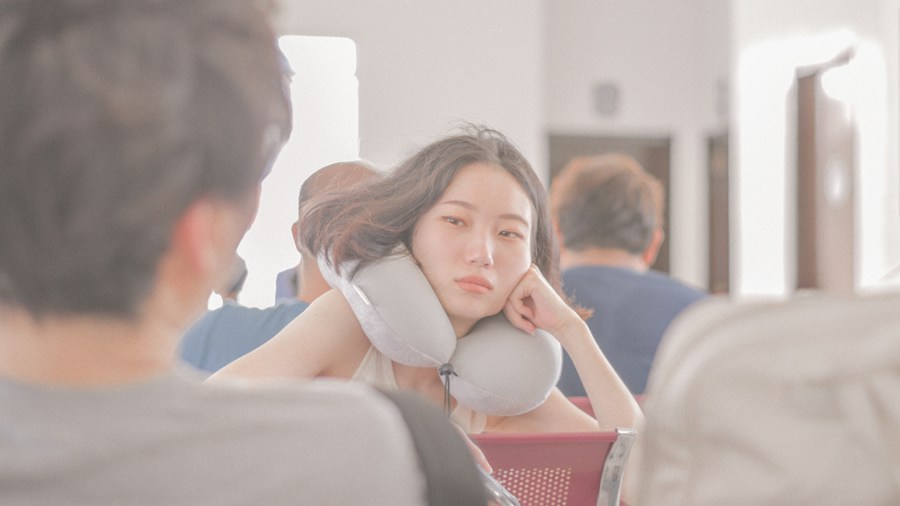
The most immediate advantage is comfort. Anyone who has experienced ear canal irritation from nightly earbud use understands the appeal of removing that pressure entirely. A pillow speaker eliminates the need to insert anything into your ears, making it ideal for side sleepers who want to listen to background noise without physical discomfort. When you lift your head from the pillow, the audio stops completely, providing a natural way to control your listening experience.
Privacy is another significant advantage. Traditional bedroom speakers disturb roommates or partners, while earbuds create social friction in shared sleeping spaces. Pillow speakers solve this problem by keeping sound localized to your own head. You’ll hear whale calls, rainfall, or meditation guides clearly while your sleeping partner hears nothing at all. Choosing the right pillow is important for overall sleep quality, and adding a compatible speaker can enhance that experience without compromising anyone else’s rest.
Important Limitations to Know
Before purchasing, shoppers should understand that not all pillows work equally well with this technology. Foam and memory foam pillows tend to absorb sound more than traditional down, feather, polyester fill, or cotton options. If you sleep on a thick memory foam pillow, a pillow speaker may not transmit audio effectively to your ears, making it incompatible with your current sleep setup.
Sleep position also matters. Side sleepers will experience significantly better audio clarity than back sleepers, since the device transmits sound more directly when your ear is pressed firmly against the pillow. Back sleepers may find the audio too faint to enjoy, so position preference should factor into your decision.
The audio quality itself carries limitations. While these speakers excel at delivering ambient sounds like white noise, brown noise, or nature recordings, they are not ideal for guided meditations, sleep stories, or spoken-word content. The muffled audio quality makes it difficult to follow detailed instructions or understand narrative details, so if you rely on sleep meditation apps for rest, a pillow speaker may frustrate rather than help you. However, for background soundscapes and passive ambient noise masking, the technology works as intended.
Pricing and Where to Buy

Current models range from under thirty dollars to fifty dollars on sale, with options available through major online retailers. Return policies vary by seller, so check carefully before purchasing. Protecting your pillow investment includes considering its compatibility with any added technology.
Battery life on modern pillow speakers typically reaches ten hours per charge, which covers a full night of sleep and beyond. Most devices charge within two hours using standard USB cables, adding minimal preparation time to your sleep routine.
Who Should Buy One
Pillow speakers are ideal for couples where one person needs background noise to sleep, college students in dorm rooms, light sleepers sharing a bedroom, and travelers who want portable audio without bulky speakers. They work best for anyone seeking ambient sound to mask environmental noise rather than detailed audio content.
Shoppers should also verify pillow compatibility before purchasing. Protecting your pillow from damage extends its lifespan, and placing a speaker underneath requires ensuring your pillow construction can accommodate the device without compromising comfort or sound quality.
This emerging category represents a meaningful improvement for sleepers tired of earbud-related discomfort. By understanding the technology’s strengths and limitations, shoppers can make informed decisions about whether an under-the-pillow speaker will genuinely improve their sleep experience.











Write Your Review
No reviews yet. Be the first to share your experience!