

A California design studio known for building exotic racecars has just entered the furniture market, and the result is turning heads. The Maniac Chair, created by Oilstainlab, merges the precision of motorsport engineering with midcentury design aesthetics, offering shoppers a rare glimpse at what happens when automotive craftsmanship meets home decor.
The Unexpected Connection Between Supercars and Seating
Oilstainlab, founded by twin brothers Iliya and Nikita Bridan, built its reputation creating the HF-11, a limited-production hypercar with only 25 units in existence, each priced at $2.35 million. The brothers, Ukrainian-born high school dropouts trained in Italy and California, have collectively overseen design on 6.5 million street vehicles before launching their studio in 2018 with an unconventional philosophy: reject normalcy and embrace bold design thinking.
The Maniac Chair takes its name directly from an exclusive hypercar package offered to 11 of those 25 HF-11 owners. Rather than simply licensing their name or slapping a racing aesthetic onto mass-produced seating, Oilstainlab actually transferred the engineering DNA from their supercars into furniture form. This approach separates the Maniac Chair from typical racing-inspired home furnishings available at mainstream retailers.
How Aerospace Materials Changed a Simple Chair
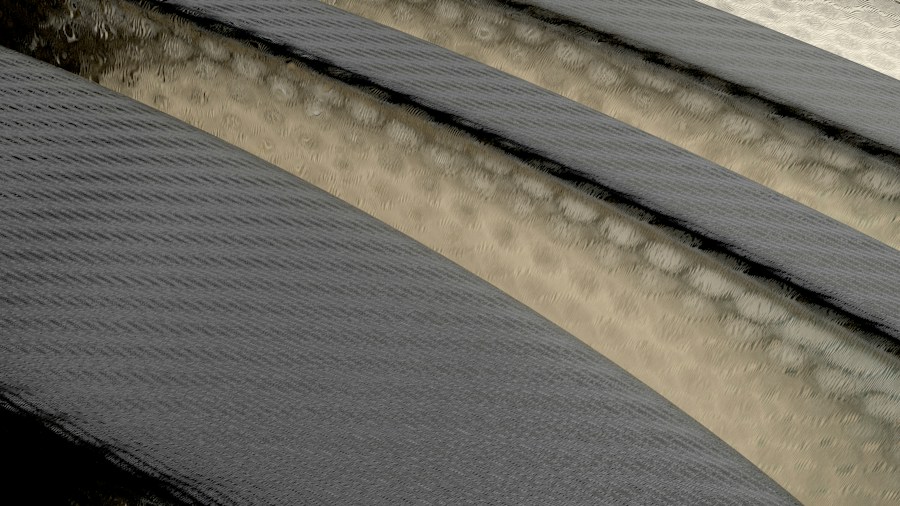
The chair’s construction reveals why this piece commands attention from design enthusiasts. Its frame uses CNC-machined aluminum, while the outer shell employs hand-laid carbon fiber. That material choice is deliberate and specific. Hand-laid carbon fiber isn’t a cost-saving production method, it’s the material language of professional motorsport, used in race seats and monocoques for vehicles traveling at speeds exceeding 200 mph.
By applying that same fabrication technique to a seating surface where occupants sit motionless, Oilstainlab creates a deliberate design contradiction. The form reads as warm and familiar, drawing from 1950s Danish design vocabulary that most people instinctively understand as comfortable living room furniture. The materials, however, announce something entirely different: raw technical precision borrowed from the racetrack. The contrast between form and material is intentional, creating a piece that challenges assumptions about what furniture should look like and how it should communicate.
What This Means for Furniture Shoppers

The emergence of the Maniac Chair signals a shift in how luxury furniture can be approached. Rather than pursuing trends focused on protection solutions or seasonal updates, some designers are exploring genuine cross-discipline engineering. When evaluating high-end furniture for your home, the Maniac Chair demonstrates that provenance matters. This isn’t merchandise inspired by cars with aggressive styling cues, it’s a chair built using the exact same construction principles as actual racing seats.
For buyers considering significant furniture investments, understanding material sourcing and fabrication methods becomes increasingly relevant. The prep work before upholstery on the Maniac Chair echoes motorsport fabrication processes, reflecting a coherence in design philosophy that extends from concept through final assembly. The piece knows precisely what it is: furniture for people who want to own a design statement, not simply occupy a chair.
Design Philosophy Meets Functionality
What makes the Maniac Chair remarkable is that Oilstainlab successfully accomplished something furniture designers rarely attempt and automotive specialists rarely consider: they created a chair with genuine provenance and a defensible design argument. The carbon fiber construction doesn’t compromise comfort for visual impact, and the familiar silhouette doesn’t dilute the technical story the materials tell. Consider how proper lighting placement enhances furniture presentation, similarly, Oilstainlab ensured every design element serves both aesthetic and functional purposes.
For shoppers exploring premium furniture, the Maniac Chair represents a category where excess and restraint coexist without contradiction. The piece doesn’t try to hide its technical origins or soften them for mass appeal. Instead, it celebrates the tension between automotive precision and residential comfort, creating an object that sparks conversation while delivering a functional seat.
This approach suggests a broader shift in how luxury furniture brands differentiate themselves in a saturated market. Rather than chasing fast furniture trends, some makers are investing in cross-disciplinary expertise and material innovation that tells a genuine story about engineering and design intent.












Write Your Review
No reviews yet. Be the first to share your experience!