

Fall cleanup season is upon us, and the urge to tidy the garden is nearly irresistible. However, taking pruning shears to certain plants in September can erase an entire year of growth and rob you of flowers, berries, and wildlife benefits come spring. Understanding which plants need restraint right now will save you regret and help you make smarter purchasing decisions when building a more beautiful garden.
Why September Pruning Can Backfire
The problem with aggressive September pruning is timing. Many popular perennials and shrubs have already set their flower buds for next spring on wood grown during the current season. Cutting them back now removes those buds entirely. Additionally, early fall pruning can trigger tender new growth that will not harden before winter frost, weakening the plant going into the dormant season. You may also strip away the natural structure and seed heads that provide shelter and food for birds through the colder months.
If you are planning a garden refresh or replacing plants this fall, September planting offers excellent opportunities to add perennials and bulbs that establish well in cooler weather. But for existing plants, hands off the pruners.
Seven Plants to Leave Unpruned Until Spring
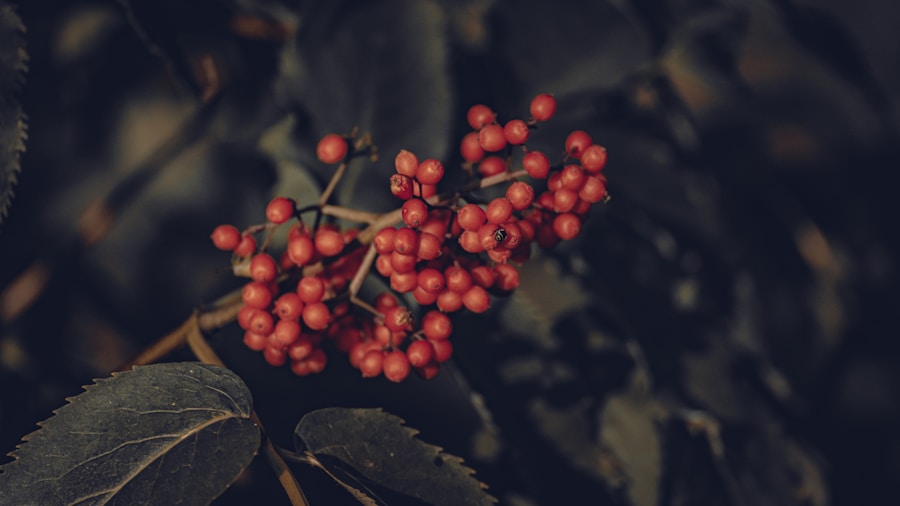
Serviceberry and Viburnum
Serviceberry is a small tree prized for its spring white flowers, summer foliage, and berries that birds devour enthusiastically. Its flower buds are already waiting on last year’s growth. Cutting serviceberry in September removes those buds and next year’s fruit crop. The same applies to viburnums, which flower on old wood and depend on that stem framework for their fragrant blooms and colorful berries that wildlife needs as winter food sources. Both plants deserve pruning only after they bloom in late spring.
Weigela and Climbing Hydrangea
Weigela produces trumpet-shaped flowers chiefly on wood from the previous year, and an early fall trim removes that framework entirely. Worse, September pruning can stimulate soft new shoots in colder zones that will not survive frost. Climbing hydrangea takes time to establish but produces beautiful, lacy flowers once mature. Pruning now removes flower-bearing growth and exposes vulnerable stems just as cold weather arrives. Both plants should wait until after their summer bloom cycle.
Beautyberry, Fountain Grass, and Russian Sage
American beautyberry truly shines in fall when improbable purple berries circle its stems like beads. September is when this shrub enters its finest season, making it precisely the wrong time to cut it down. Fountain grass catches low fall light with elegance that few plants match, and its foliage protects the crown through winter while providing cover for insects. Russian sage, a superb late-season perennial for dry, sunny sites with violet-blue flowers that extend border interest into fall, relies on its woody stems to shield the crown through dormancy.
All three should be left standing until late winter or early spring, when new growth begins and frost risk eases. Beautyberry flowers on new wood and responds well to hard pruning at that time. Fountain grass and Russian sage will look spectacular under frost before you cut them back.
When to Prune Instead
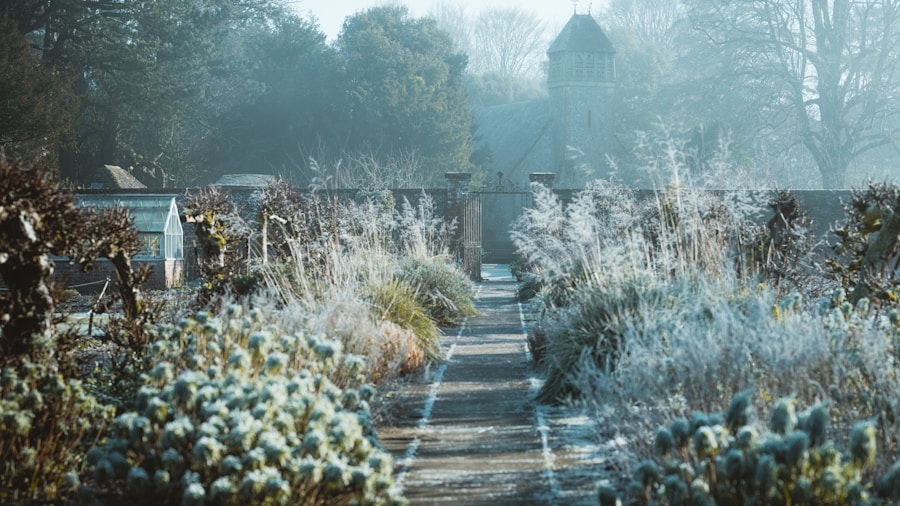
Timing is everything in pruning. Spring-flowering shrubs should be pruned immediately after they bloom, in late spring or early summer. This removes old wood and shapes the plant while it still has time to develop next year’s flower buds. Cutting a few of the oldest stems at the base rather than shearing the entire plant to an unnatural shape respects the plant’s natural form and maintains better structure.
For plants that flower on new wood, like beautyberry, late winter or early spring pruning works well because you are cutting back to stimulate fresh growth at the right moment. Ornamental grasses and late-season perennials benefit most from pruning just before new shoots emerge in early spring, when winter protection is no longer needed and you can see exactly where to cut.
The Case for Garden Restraint
September gardening does not require a blade. Deadheading spent flowers where appropriate is fine, but leave the pruning shears in their holster. Instead, observe your garden preparing for winter. That slightly unruly branch and the seedheads gathering frost are not failures of maintenance; they are features that support wildlife and provide visual interest during the dormant season. There are plenty of other fall tasks on the gardening checklist that need attention without risking spring disappointment.
When you plan new garden spaces and plantings, choosing plants that earn their keep through multiple seasons rewards your restraint. Spring flowers, summer foliage, fall berries, and winter structure make for a garden that looks intentional and productive all year long. The reward for leaving these seven plants alone in September is a spring garden full of flowers, berries, and birds, dressed properly for winter success.











Write Your Review
No reviews yet. Be the first to share your experience!