

As autumn approaches, many shoppers focus on adding blankets and throw pillows to refresh their homes. However, interior design experts recommend a more thoughtful strategy that goes well beyond surface-level textile swaps. The latest trend in seasonal home updates involves subtle but strategic changes to furniture placement, lighting, color, and material contrast that create warmth and intimacy without completely redesigning a space.
This shift reflects a growing understanding among designers that the most inviting fall interiors don’t announce themselves as seasonal. Instead, they build depth and coziness through layered relationships between existing pieces, making rooms feel intentionally designed for cooler months while maintaining their core character year-round.
Rearranging Furniture Creates Intimacy
One of the most impactful changes requires no new purchases at all. Moving seating pieces slightly closer together transforms open, airy summer layouts into conversation-focused gathering spaces. Rather than spreading furniture across maximum floor space, designers now recommend creating defined groupings that encourage people to sit closer to one another and to a focal point like a fireplace or statement lamp.
Filling negative space strategically amplifies this effect. Small side tables, ottomans, benches, and accent chairs between larger pieces help knit the arrangement together. When layering expensive and budget furniture pieces, this approach works especially well because smaller supporting pieces tie together costly anchor items like sofas and sectionals.
The goal isn’t to clutter every corner but to make furniture feel connected and purposeful. Even moving an armchair a few inches closer to the sofa can shift the room’s entire energy from expansive to enveloping.
Material Contrast Matters More Than Textile Quantity
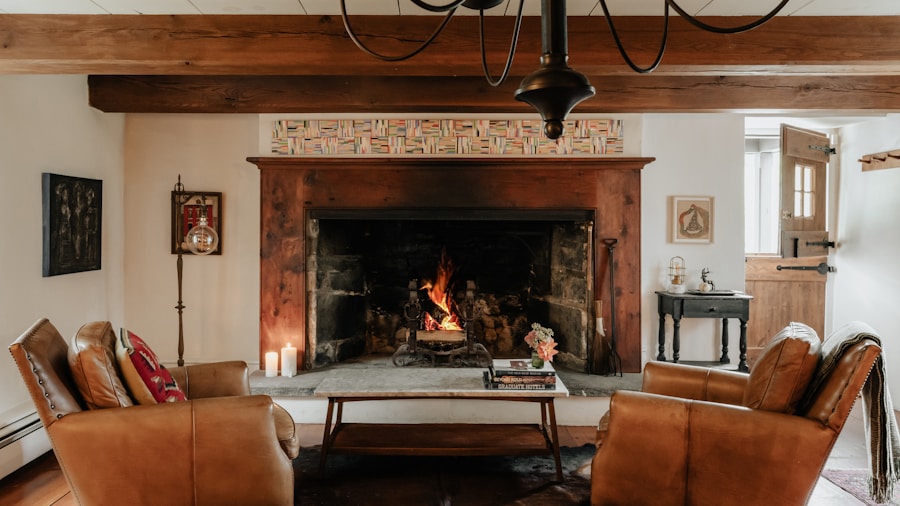
Adding another throw blanket or decorative pillow is tempting, but designers increasingly favor mixing diverse materials instead of piling on similar textures. A rough wool piece paired with smooth linen, aged brass accents next to soft upholstery, or leather mixed with cashmere creates visual interest that pure softness cannot achieve.
Introducing deeper wood tones through furniture, artwork, or vintage pieces also adds warmth without requiring textile layers. A single velvet pillow or cashmere throw instantly elevates a room’s perceived coziness compared to multiple lightweight fabrics. When selecting materials, vary the finishes: matte ceramics, polished metal, natural wood, and textured fabrics work together to build richness and depth.
This principle extends to color as well. Instead of repainting walls or introducing multiple stereotypical fall shades, shoppers should choose one or two deeper tones that complement existing palettes. A pale neutral living room benefits from a single deep olive pillow or tobacco-leather accent, while rooms with cooler tones respond well to plum, burgundy, or chocolate brown accents. These thoughtful additions ground a space without overwhelming it.
Lighting Strategy Transforms Evening Spaces
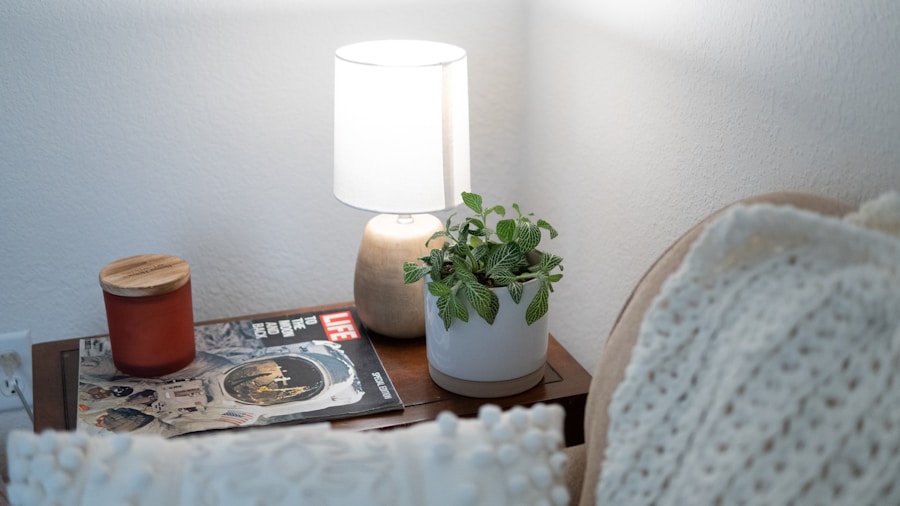
As daylight decreases, uniform bright lighting makes spaces feel harsh rather than inviting. Instead, layering light sources at different heights creates intimate pockets of illumination. A combination of overhead fixtures, floor lamps beside seating, wall sconces at eye level, and candlelight at table height produces depth that single-source lighting cannot match.
When considering furniture arrangement alongside lighting, place lamps where occupants actually spend evening time rather than illuminating empty areas indiscriminately. Allowing some shadows between lit zones paradoxically makes each illuminated area feel warmer and more personal. Modern furniture pieces in steel and other industrial materials pair beautifully with softer, layered lighting to balance their structural presence.
Window Treatments Deserve Reconsideration
Rather than swapping lightweight summer curtains for heavy fall drapes every season, shoppers should invest in window treatments designed to work year-round. Layering a sheer shade or blind beneath full-length curtains provides flexibility as light quality changes. During fall, fully open curtains during daylight hours capture the golden warmth of shorter days, then close as dusk falls to retain interior warmth and create a visual barrier against cold glass.
This approach minimizes seasonal purchasing while maintaining functionality and aesthetics throughout the year.
Small Vignettes Create Collected Appeal
Successful seasonal styling often happens on a small scale. Grouping books, ceramics, candlesticks, and found objects on shelves or surfaces creates a collected feeling that signals thoughtful curation rather than rushed decorating. The key is varying heights, shapes, and materials: tall candlesticks beside a low ceramic bowl and a stack of books create more visual interest than similarly sized objects arranged in a row.
Natural elements require minimal intervention. A tall arrangement of foraged branches brings seasonal character while remaining temporary by nature. Fresh produce in bowls, herbs on windowsills, and berries in vases work equally well in kitchens, creating abundance without requiring dedicated fall decor. Once consumed or faded, these elements naturally transition the space forward with the season.
Shoppers should resist the impulse to fill every surface. Strategic breathing room between arranged objects prevents collected styling from devolving into clutter, allowing individual pieces to stand out while maintaining visual calm. This restraint ultimately creates more sophisticated, inviting spaces than comprehensive seasonal overhauls.









Write Your Review
No reviews yet. Be the first to share your experience!