

Technology milestones often announce themselves quietly. In Holstebro, Denmark, one arrived this year when 36 student apartments were completed using robotic 3D printing technology, marking one of Europe’s largest construction projects of its kind. The development, called Skovsporet, represents a turning point where industrial printing shifts from experimental concept to everyday housing reality.
The Project: Scale and Scope
Skovsporet was commissioned by NordVestBO and built by 3DCP Group, with architectural work from SAGA Space Architects and MS+. The site sits near VIA University College in Denmark, creating a purpose-built student community. The name translates to “forest track,” and the design reflects that aesthetic: six low-rise clusters, each containing six apartments, arranged around shared courtyards and landscaped gardens. Walking paths and bicycle parking integrate throughout the development, prioritizing the kind of livable neighborhood feel that matters to residents.
Each of the 36 apartments ranges from 39 to 50 square meters and includes a full kitchen, study area, living lounge, bathroom with shower, and bedroom. The total footprint spans 1,650 square meters. This modest scale by development standards is entirely intentional. Rather than excess, the design delivers functionality and efficiency, which is exactly what student housing requires.
The Technology Behind the Build
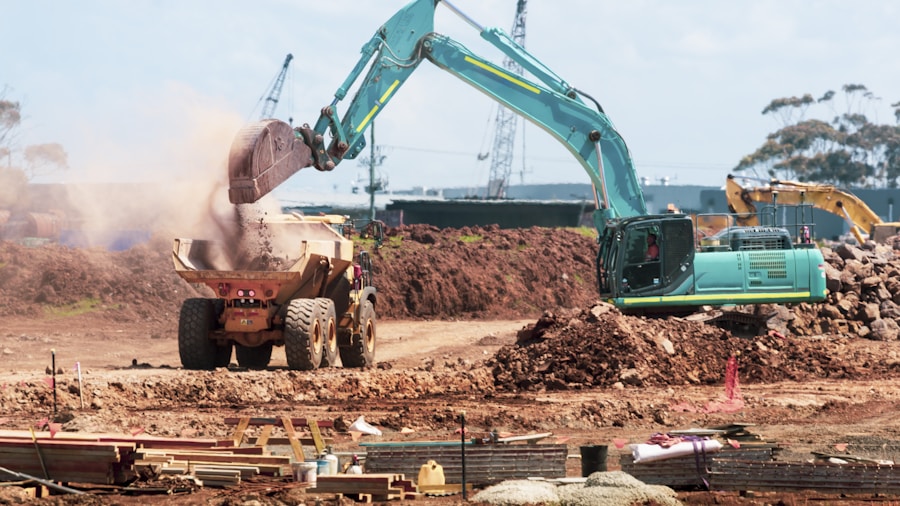
The structural walls were printed on-site using a COBOD BOD3 printer operated by a three-person team. The precision achieved millimeter-level accuracy across the entire project. The concrete mixture used, called D.fab, incorporates FUTURECEM, a lower-carbon cement developed by Aalborg Portland. This reduces environmental impact without sacrificing structural performance, a balance that matters for both builders and buyers concerned about sustainability.
The bicycle shed pushed environmental innovation further by using 3D-printed elements with zero cement content, achieving an 84% reduction in CO2 emissions compared to traditional concrete construction. For shoppers and developers watching construction innovation, that’s not a marketing claim, but a measurable material improvement.
Why This Matters for Shoppers and Builders
The significance of Skovsporet lies not in printing a single successful structure, but in repeating that success consistently over 12 months while maintaining quality control. Sebastian Aristotelis, co-founder and lead architect at SAGA Space Architects, noted the breakthrough plainly: “We have gone from printing small prototypes to creating 36 real homes and an entire community. That is the scale where technology starts to matter as a serious tool for architecture.”
For consumers interested in housing innovation, this represents proof that 3D printing can scale beyond experimental phases. The technology delivers consistent results, reduces material waste, and lowers carbon footprints compared to conventional methods. When considering future housing options or developments, understanding how these printers function gives shoppers insight into emerging building standards and sustainability practices.
Construction printing technology now appears in multiple sectors. Just as AI creates missing printer drivers for Mac users, addressing real-world compatibility challenges, robotic construction printers solve tangible housing problems through precision and repeatability. The parallel demonstrates how specialized equipment, whether office or industrial, requires ongoing innovation to meet practical demands.
Looking Forward
Students are now moving into Skovsporet, and the teams behind the project are already researching new material configurations for future developments. This forward momentum is crucial. 3DCP Group and SAGA Space Architects treat this completed village not as a final destination, but as a baseline from which to improve. That approach signals genuine technological maturation rather than one-off success.
The implications extend beyond Denmark. Housing affordability and construction speed remain critical challenges across North America and Europe. If 3D printing can deliver quality apartments in 12 months while reducing environmental impact and material costs, the technology becomes relevant to developers, municipal planners, and prospective residents everywhere. For anyone following construction innovation, understanding how modern printer setups work demonstrates how precision equipment reshapes industries.
The moment when technology transitions from proof of concept to someone’s home is subtle. Residents of Skovsporet won’t think about the robotic process every day, they’ll simply enjoy their apartments. But that normalcy is precisely the point. When neighborhoods built by industrial printers start to feel unremarkable, you know the technology has achieved genuine maturity and practical value for real people.










Write Your Review
No reviews yet. Be the first to share your experience!