

Berlin’s IFA 2026 tech conference unveiled a wave of smart home innovations that could reshape how consumers approach home automation, security, and convenience. The event showcased products spanning security cameras, intelligent climate control, automated yard maintenance, and centralized home management hubs. For shoppers evaluating their smart home investments, these announcements signal where the industry is headed and what options are becoming available now.
Security and Access Get Smarter
Two major security upgrades took center stage this year. Reolink introduced its OMVI 2i Ultra Security Camera, a dual-lens system that combines an 8MP wide-angle view with a 5MP pan-tilt camera offering 355 degrees of pan and 50 degrees of tilt. The system can track moving objects and potential intruders while running for up to six months on a single battery charge, thanks to its built-in 6W solar panel that works even in low-light conditions.
For door access, the SwitchBot Lock Ultra Max Vision Pro Combo eliminates fumbling for keys with 19 different unlock methods: passcodes, fingerprints, 3D face recognition, palm vein detection, Apple Watch compatibility, and more. Installation requires no modifications to existing doors, and the lock provides triple power backup with up to nine months of battery life per charge.
Local Control Without Subscription Fees
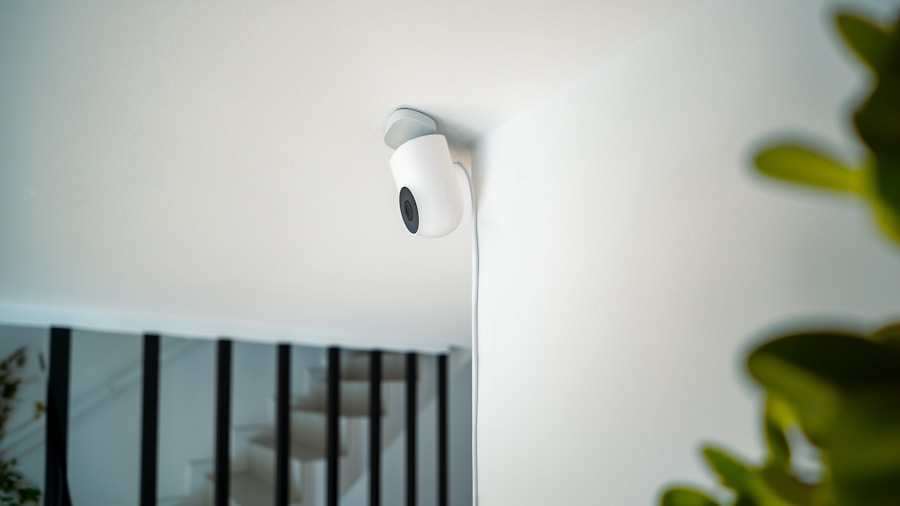
UGREEN’s HomeAgent Pro bridges the gap between multiple smart home devices by creating a centralized ecosystem that connects security cameras, video doorbells, and speakers without relying on cloud storage or ongoing subscription costs. All data processing happens locally on the device, a major selling point for privacy-conscious buyers. The HomeAgent Pro is available for pre-order starting at $50 ahead of its October 27 Kickstarter launch.
This trend toward local processing reflects broader consumer concerns about data privacy and recurring fees, making it a key consideration when comparing smart home hubs and security systems.
Robot Lawn Mowers Address Edge-Trimming Challenge
Three standout robot lawn mowers debuted at the show, each tackling the persistent problem of missed patches along fences and flower beds. Anthbot’s R7 Series claims the title of world’s first true zero-edge trimming mower, using an EdgeEase Trimming Robot Arm that extends to deliver finished edges without manual touch-ups. Its dual LiDAR, AI vision cameras, and RTK positioning technology ensure reliable navigation across varied terrain.
Mammotion’s Luba 4 AWD features four wide-angle cameras and object detection for over 300 different item types, while its 360-degree LiDAR provides full-coverage positioning. The system prioritizes lawn health by keeping grass upright during mowing. The Mova LiDAX Ultra AWD Series proved particularly impressive for difficult terrain, capable of navigating slopes up to 38.6 degrees and 6-centimeter hills using AI-powered mapping and obstacle avoidance.
For those with complex household layouts, the Saros 20 Neo combines a 36,000Pa motor with adaptive climbing technology that allows it to traverse high thresholds and squeeze under low furniture, making it effective on both carpets and hard floors with an automatic mop drop-off feature.
Climate Control and Entertainment Innovations
Govee’s 21-inch Sky Ceiling Light offers a color temperature range of 1000K to 10,000K, with sunlight rhythm mode designed to support natural circadian rhythms by mimicking natural daylight patterns throughout the day. The flicker-free, low-blue-light design reduces eye strain during extended use.
Entertainment got a significant upgrade with AWOL’s LuxVision projector, a 4K, 120Hz ultra-short-throw model supporting screens up to 200 inches with 6000 ISO lumens brightness. Gaming features include 1ms input lag, Dolby Vision Gaming, ALLM, and VRR support, though the $5,999 price tag reflects its flagship positioning. Energy independence reached a new level with EcoFlow’s STREAM 2 Series, which stores solar energy from roof or balcony panels in a compact unit generating approximately 5600kWh annually, with the option to stack additional units as household needs grow.
What This Means for Shoppers
The smart home landscape continues shifting toward local processing and greater device interoperability, giving consumers more control over their data and reducing dependence on subscription services. Robot lawn mowers are addressing one of their biggest limitations: edge trimming. Security systems are becoming more sophisticated with improved tracking and longer battery life. Smart lighting now provides health-conscious features like circadian rhythm support.
Shoppers upgrading their homes should prioritize compatibility with existing ecosystems and consider whether products offer local data processing. The convergence of these innovations suggests that truly seamless, privacy-first smart homes are moving from aspirational to achievable.










Write Your Review
No reviews yet. Be the first to share your experience!