

As summer temperatures climb and air conditioning units hum throughout the day, many homeowners face a common problem: keeping houseplants healthy in climate-controlled environments. Constant air circulation, closed windows, and lower humidity levels can stress tropical plants that would normally thrive outdoors. However, one group of plants has proven surprisingly resilient in these modern indoor conditions: philodendrons.
Why Philodendrons Adapt So Well to AC Environments
Philodendrons stand out among houseplants because they tolerate the specific challenges that air conditioning creates. Unlike many tropical varieties that demand constant warmth and moisture, most common philodendrons can handle lower light levels, average household humidity, and occasional watering lapses. This forgiving nature makes them ideal for people who want attractive greenery without transforming their homes into greenhouses.
According to plant experts, the secret lies in the plant’s natural habitat. In tropical forests, philodendrons typically grow beneath tree canopies where they receive filtered light rather than direct sun. This means they’ve evolved to thrive in lower light conditions, making them perfectly suited to most living rooms, bedrooms, and offices. Additionally, their ability to tolerate reduced humidity helps them survive in the drier air that AC systems create.
The variety within the philodendron family is another major advantage. These plants come in trailing, climbing, and self-heading forms. Trailing varieties cascade beautifully from shelves or hanging planters, while upright types work well on tabletops or floors. Leaf colors and textures vary widely too, so you can select a variety that complements your decor while still enjoying the benefits of an easygoing plant.
Positioning Your Philodendron Matters

While philodendrons tolerate air conditioning, placement within your room is still important. Positioning your plant directly under an AC vent subjects it to constant blasts of cold air, which can cause stress and leaf damage. The plant’s foliage may yellow, brown, or drop prematurely when exposed to these temperature shocks.
Instead, place your philodendron a few feet away from the vent where it still benefits from the cooled room but doesn’t receive direct airflow. This simple adjustment prevents the kind of environmental stress that even resilient plants struggle with. When choosing a spot in your home, remember that while philodendrons tolerate lower light, they perform best with bright, indirect light.
Selecting the Right Variety for Your Space
Not all philodendrons handle low humidity equally well. The thickness and waxiness of the leaves matter significantly. Plants with thicker, waxier foliage tolerate dry air better than those with thin, delicate leaves. This is why some unusual or velvet-leafed varieties may need more humidity than standard varieties.
For beginners, heartleaf philodendron stands out as the most reliable choice. It’s remarkably forgiving and adapts to diverse conditions throughout your home. Philodendron Brasil offers variegated foliage that adds visual interest, while Philodendron micans features dark, velvety leaves that look sophisticated. Philodendron Birkin has become increasingly popular for its striking white pinstripes and elegant appearance, making it a decorative choice that doesn’t require expert care.
Mastering the Watering Schedule
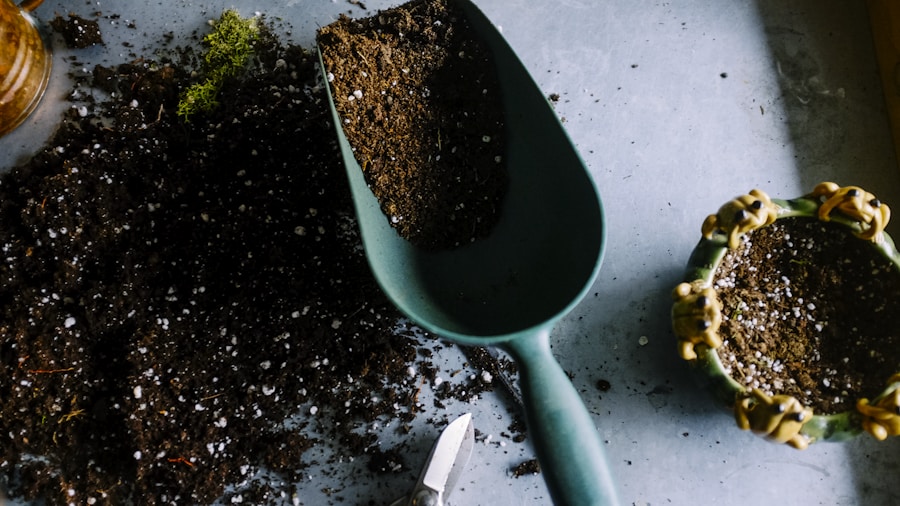
The key to keeping any philodendron healthy is understanding its watering needs. Rather than following a calendar, experts recommend checking the soil moisture directly. Allow the top inch or two of soil to dry before watering again. This prevents the root rot that occurs when soil stays constantly soggy.
During winter months, be especially cautious about overwatering. As daylight decreases and temperatures drop, plants grow more slowly and require less moisture. Many people continue their summer watering schedules into fall and winter, which leads to problems quickly. Always examine the soil before watering, regardless of what day of the week it is or how long it’s been since the last watering.
Use a pot with a drainage hole to ensure excess water can escape, and check soil moisture before each watering session. This approach prevents guesswork and gives your philodendron the consistent conditions it needs to thrive.
The Bottom Line for Shoppers
For homeowners and apartment dwellers who rely on air conditioning for comfort, philodendrons represent an excellent solution to the challenge of growing houseplants indoors. They’re forgiving enough for beginners yet attractive enough to satisfy anyone’s decorating goals. By choosing an appropriate variety, positioning it correctly away from vents, and watering based on soil moisture rather than schedule, you can enjoy healthy, attractive philodendrons that complement your air-conditioned lifestyle.





Write Your Review
No reviews yet. Be the first to share your experience!