

Why August Is the Perfect Time to Sow Arugula
By late summer, most vegetable gardens feel exhausted. Tomatoes are demanding support, zucchini has taken over every available inch, and the prime growing season seems to have peaked. But August is actually an ideal window for one crop: arugula. This quick-growing leafy green germinates in about a week during warm soil conditions and produces tender, harvestable leaves in as little as 20 to 30 days, making it a genuine game-changer for shoppers looking to extend their garden productivity through fall.
Arugula’s peppery flavor and rapid maturity make it especially valuable in late summer, when cooler nights improve leaf taste without compromising growth speed. The crop thrives in USDA Zones 4 through 9, where temperature swings between warm days and cooling evenings create ideal conditions for both germination and flavor development. For home gardeners with limited space, arugula answers a common problem: what can you actually grow when summer is winding down?
Container Growing Makes Arugula Accessible to Any Shopper
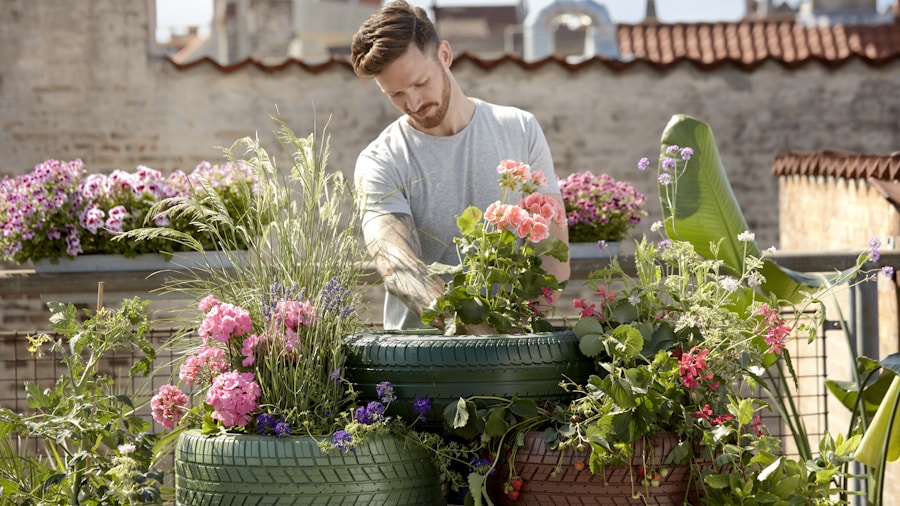
One of arugula’s greatest advantages is its flexibility. Unlike tomatoes or peppers, this crop does not demand deep soil or sprawling garden beds. Shallow roots mean a window box, terracotta pot, or any container at least 6 inches deep works perfectly. A 10 to 12 inch wide container provides enough room for a worthwhile harvest without monopolizing deck or patio space. Shoppers often find that built-in irrigation solutions designed for raised beds can also be adapted for larger container setups, ensuring consistent moisture without daily hand-watering.
The ideal placement is within arm’s reach of your kitchen door, where you can snip a handful of leaves while dinner cooks rather than making a long trek to the garden. Many shoppers report that a modest container beside the kitchen becomes their most-harvested planting spot. For those with limited ground space, compact raised beds offer more growing room than containers while remaining manageable for apartment dwellers with patios or balconies. Choose wide, shallow containers over tall, narrow ones, since arugula seeks lateral room rather than depth.
Succession Sowing Prevents Overwhelming Harvests
A single packet of arugula seed can seem small, but sowing the entire contents at once creates an avalanche of mature leaves all at the same moment. Instead, successful growers use succession sowing: planting a short row or small section every 10 to 14 days. This relay approach turns one seed packet into months of continuous harvests rather than a brief glut followed by nothing.
Fill containers with quality seed-starting compost, scatter seeds thinly across the surface, cover them with about one quarter inch of soil, and keep the surface consistently moist until germination occurs. Once seedlings emerge, thin crowded plants to 2 to 3 inches apart if you prefer larger leaves, or leave them closer and harvest young baby greens instead. Proper irrigation systems help maintain even moisture in containers without oversaturation, which is critical for seed success in late summer heat.
Selecting the Right Varieties for August Planting
Standard arugula delivers reliable, peppery flavor and quick results, but shoppers should look for varieties specifically labeled slow-bolting or heat-tolerant when sowing in August. ‘Astro’ offers mild, rounded baby leaves ideal for those seeking gentler flavor. ‘Sylvetta’ or wild arugula brings a fierier, more complex taste with narrower, jagged leaves and greater drought tolerance. ‘Rocket’ provides the classic lively bite that makes salads feel less like an obligation. Young arugula leaves taste softer and milder; older leaves become increasingly assertive, so harvest timing determines flavor intensity.
Light, Water, and Harvest Timing
In August, position containers where plants receive several hours of morning sun but escape the harshest afternoon heat. A major advantage of container growing is mobility: move pots into dappled afternoon shade as temperatures peak, protecting leaves from intense heat that triggers bolting and bitterness. Water regularly, especially in containers where limited soil volume dries quickly. Daily checks are usually sufficient in temperate late-summer climates, though hot, windy locations require more frequent attention.
Begin harvesting when leaves reach 2 to 3 inches long. Use clean scissors to snip outer leaves while leaving the central crown intact, encouraging continued production. This cut-and-come-again approach yields significantly more from small spaces than waiting for plants to reach maximum size. Morning harvests capture the crispest leaves after overnight plumping. As fall approaches, cover containers with lightweight horticultural fleece to protect from early frost, extending harvest into cooler months in temperate zones.
Turning Late-Summer Gaps into Productivity
Arugula serves as an excellent follow-on crop after bush beans, early potatoes, or any container whose summer occupant has faded. Clear away old roots, refresh the top inches of soil with fresh compost, and sow. This swift handover is the difference between gardens that produce for three months versus those that remain productive through fall, making it an essential strategy for shoppers committed to maximizing their growing space.












Write Your Review
No reviews yet. Be the first to share your experience!