

Revolutionary Heat Pump Technology Powered by Waste Heat
A research team in South Korea has announced a significant advancement in heat pump technology that could transform how heating and cooling systems operate in homes and buildings. The breakthrough centers on a new chemical adsorption heat pump system that uses waste heat as low as 40 degrees Celsius, opening up possibilities that were previously impractical or inefficient.
Led by Dr Young Kim of the Korea Institute of Machinery and Materials, the research team collaborated with experts from Chung-Ang University to develop a system that converts low-temperature waste heat into reliable cooling and heating power. The achievement represents a major step forward in making heating and cooling more sustainable and efficient for everyday consumers.
What Makes This Technology Different
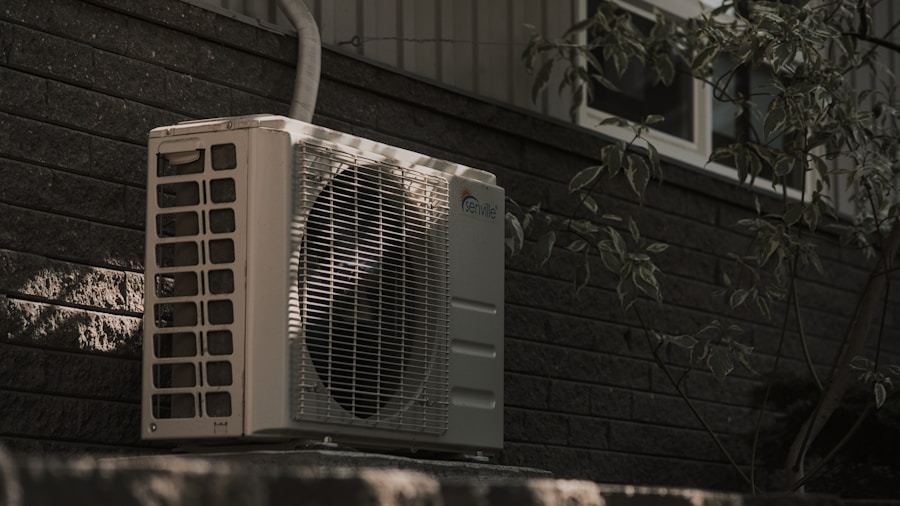
The core innovation lies in two key improvements. First, the team redesigned the adsorption bed, which serves as the heart of the system. Their version delivers specific cooling power of 346.5W per kilogram, more than double the performance of existing similar technologies. This means faster, more efficient climate control in smaller, lighter equipment.
Second, the system features an electrochemical compressor with no mechanical moving parts. This design eliminates the traditional components that generate noise and vibration during operation. For consumers, this translates to virtually silent heating and cooling, a major advantage in noise-sensitive environments like hospitals, schools, and residential neighborhoods where traditional units can be disruptive.
The electrochemical compressor also promises to reduce energy consumption compared to conventional systems. Since it has fewer mechanical components to wear down and move, the technology should deliver lower operating costs over the system’s lifetime.
Why Waste Heat Matters for Your Home
Waste heat is thermal energy generated as a byproduct by factories, data centers, and industrial processes. For decades, much of this energy was simply released into the atmosphere. The new heat pump technology captures this previously wasted energy and repurposes it for heating and cooling needs.
This capability opens new possibilities for efficient HVAC systems in settings where conventional heat pumps are impractical. Facilities with significant waste heat sources can now integrate heating and cooling without relying exclusively on electrical input, reducing demand on the grid and lowering utility bills.
Current Status and Timeline for Consumers

The research team is currently conducting field demonstrations with a 10-kilowatt prototype. This testing phase is crucial for validating real-world performance and identifying any adjustments needed before wider deployment. Based on successful test results, researchers plan to pursue further development and eventually move toward commercial applications.
While this technology is not yet available for home purchase, the timeline suggests that early adopters might see commercial deployments within the next few years. Facilities that generate waste heat, such as large data centers and industrial operations, are likely to be among the first beneficiaries.
What This Means for Homeowners and Building Managers
Even if your home doesn’t currently have waste heat to tap into, the advances demonstrated in this research benefit the broader heat pump industry. Improvements in compressor efficiency and adsorption bed design can eventually migrate into standard residential smart thermostats and HVAC systems. The breakthroughs in quiet, efficient operation particularly appeal to consumers tired of noisy outdoor units disturbing neighbors.
For commercial property owners and facility managers, the implications are more immediate. If your building has significant heat rejection, whether from server rooms, manufacturing equipment, or data processing centers, this technology could offer substantial energy savings and improved climate control without the noise constraints of traditional systems.
The research was supported by South Korea’s national energy development initiative, reflecting growing global recognition that heat pump innovation is critical to reducing energy consumption and meeting climate goals. As the technology matures through ongoing field demonstrations, expect to see it incorporated into large-scale commercial applications first, with residential versions potentially following.
This development underscores why heat pump technology continues to draw significant investment and research attention worldwide. As options improve and costs decline, heat pumps remain one of the most promising paths toward efficient, sustainable home heating and cooling for American consumers.











Write Your Review
No reviews yet. Be the first to share your experience!