

A nostalgic home decor trend is reshaping how American shoppers approach wall design. Victorian-era silver trays, once essential fixtures in upscale homes during the 1800s, are now appearing on collage walls and gallery displays across the country. What started as functional serving pieces has become a sought-after design element, and understanding what to look for can help you find authentic pieces at flea markets and thrift stores.
The History Behind the Trend
During the late 1800s, Victorian homes prominently featured small silver trays in front hallways. These trays served a specific social purpose: guests would place engraved visiting cards on them as proof of a call, even when the homeowner was absent. This ritual was a cornerstone of Gilded Age etiquette and demonstrated the homeowner’s social standing. When electroplating technology was patented in England in 1840, it made silver objects affordable for middle-class families, causing these trays to proliferate throughout American households.
Because so many homes once contained these trays, they remain abundant at antique malls, estate sales, and online marketplaces today. This accessibility makes them an affordable way to add vintage character to your home.
Why Silver Trays Work Better Than Traditional Wall Art
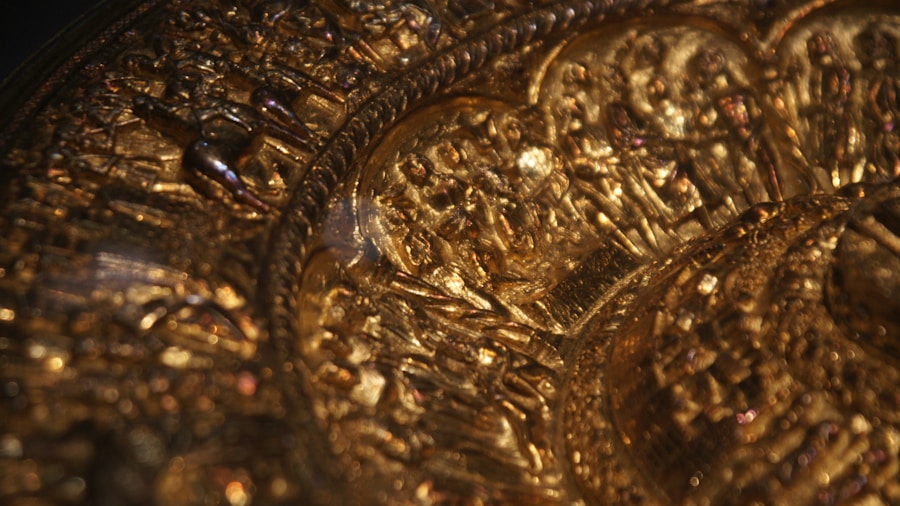
Decorators and homeowners are discovering that silver trays offer visual qualities that standard prints and photographs cannot match. Unlike posters and photographs, which are flat and matte, vintage trays reflect and scatter light throughout the room. When positioned near a lamp or across from a window, they cast a soft glow that enhances the overall atmosphere. Multifunctional design elements like these vintage pieces challenge traditional approaches to wall decoration by adding depth and dimension to collage arrangements.
A monogram from the previous owner adds historical intrigue and authenticity that mass-produced art simply cannot replicate. Scattering two or three trays throughout a collage wall breaks up the monotony of rectangular shapes, creating visual interest and layering that feels curated rather than standard.
What to Look For When Shopping
Prices for vintage Victorian trays vary significantly depending on maker, condition, and design. On online auction sites, trays typically range from fifty dollars to over six hundred dollars, though savvy shoppers often find bargains at flea markets and local antique stores. Before purchasing, flip the tray over and check the maker’s mark.
Look for stamps indicating EPNS, which stands for electroplated nickel silver. Trays marked quadruple plate have heavier electroplating and are excellent choices for wall display because they are affordable and the plating holds up well over time. Sterling silver trays, stamped sterling or .925, cost considerably more and are generally not worth the investment for wall decor. American manufacturers including Meriden Britannia, Reed and Barton, Pairpoint, and Derby are respected makers worth seeking out. English producers like Elkington and Mappin and Webb also appear frequently in the secondhand market.
Cleaning and Display Best Practices
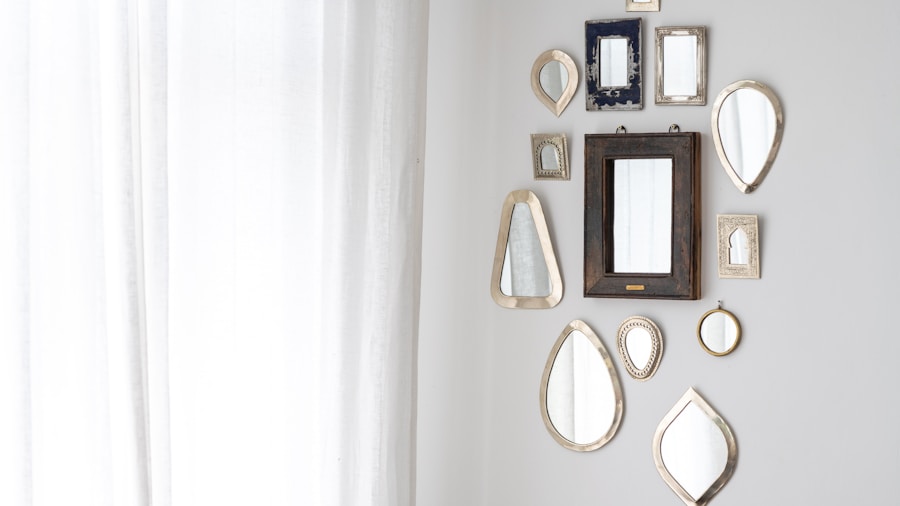
Resist the urge to polish these trays until they gleam like new serving pieces. A tray polished to mirror brightness looks too functional and will show every fingerprint and dust particle. Instead, clean only the flat surfaces and leave tarnish in the recesses of the pattern. This approach enhances the visibility of the design details from a distance and maintains the vintage character that makes these pieces special. For heavily soiled trays, clean them using only water and gentle methods without harsh chemicals.
When hanging your tray, choose spring-wire hangers rated for the weight of metal. As home decor trends shift toward statement pieces, investing in proper hanging hardware protects both your tray and your walls. Footed card trays sit awkwardly when mounted flat, so display these pieces on picture ledges instead. Plain-centered trays can be customized with waterslide applique transfers or hand-painted lettering if you want to personalize your display.
The Broader Design Movement
This resurgence reflects a larger shift in American interior design toward vintage and sustainable home decor. Rather than purchasing new wall art, homeowners are repurposing historical objects with genuine provenance and craftsmanship. The trend celebrates authenticity, storytelling, and the layered aesthetic that comes from collecting pieces with real histories.
If you acquire more trays than your walls can accommodate, these pieces have multiple second lives available. They can function as shelf styling elements, be repurposed into functional serving pieces for special occasions, or be passed to fellow collectors. The beauty of Victorian silver trays lies in their versatility and enduring appeal across generations of design trends.









Write Your Review
No reviews yet. Be the first to share your experience!