

Keeping a raised garden bed properly watered during hot months has long been one of the most frustrating tasks for home gardeners. Plants that sit elevated above ground lose moisture quickly, and the intense heat of summer makes the soil dry out rapidly. Most gardeners face an exhausting choice: water frequently with shallow soaking that creates weak root systems, or commit to long daily sessions with a hose to achieve the deep watering plants actually need for heat stress resilience.
A new category of raised beds equipped with integrated irrigation systems is changing that equation for homeowners ready to invest in smarter garden infrastructure. These beds feature built-in drip irrigation grids that deliver water directly to plant roots across the entire growing surface, eliminating the guesswork and labor from summer watering routines.
Why Raised Bed Watering Has Always Been Difficult
Raised beds drain faster than in-ground gardens because water moves through the soil column more quickly when plants are elevated. During peak summer heat, this characteristic becomes a major liability. Shallow, frequent watering encourages plant roots to stay near the surface where they are more vulnerable to heat stress and drought. Deep watering, which pushes roots deeper into the soil and creates more resilient plants, typically requires 20 to 30 minutes of thorough soaking per bed. For gardeners with multiple beds, this quickly becomes a time-intensive chore that often goes undone.
Traditional solutions like soaker hoses or standard irrigation kits add complexity and waste water through runoff. A drip irrigation grid built directly into the raised bed structure solves these problems by delivering precisely measured water where roots need it most.
How Integrated Irrigation Changes the Game

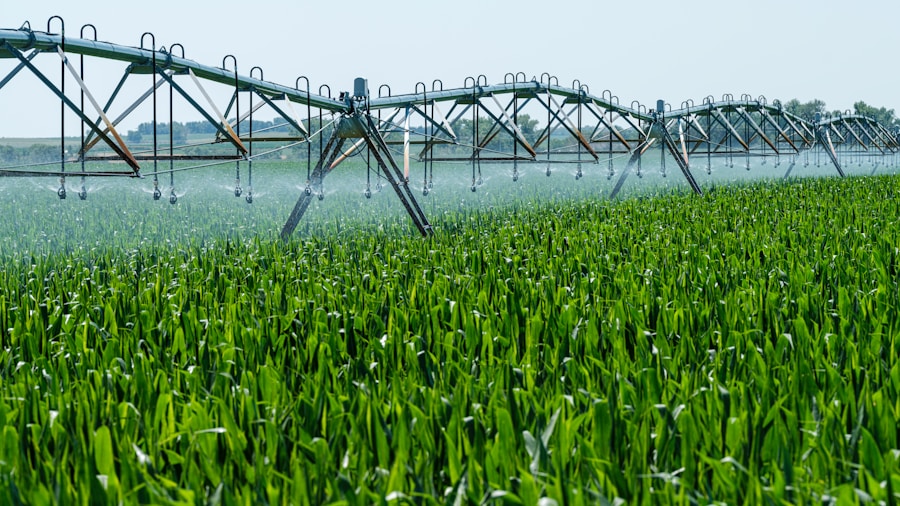
Modern raised bed bundles with pre-assembled irrigation grids remove friction from the watering equation. The grid system covers the entire growing surface and connects to your standard outdoor hose, providing thorough root hydration with minimal effort. Unlike overhead watering that splashes foliage and causes leaf burn in hot weather, drip irrigation keeps water off plant leaves entirely.
Because water flows directly to the root zone, these systems reduce overall water consumption significantly compared to traditional hose watering. This efficiency matters both for your utility bills and for conserving water during drought-prone seasons. As an added benefit, many gardening approaches work better with consistent moisture, and an automated irrigation grid ensures plants receive steady hydration without depending on your daily schedule.
Design Features That Matter to Real Gardeners
Current raised bed systems with integrated irrigation come in multiple height options, typically ranging from 17 to 32 inches tall. This height flexibility means gardeners can choose based on their physical needs. Taller beds significantly reduce strain on knees and backs during planting, weeding, and harvesting, which appeals to older gardeners or anyone dealing with mobility concerns.
The beds themselves are constructed from heavy-gauge steel coated with weather-resistant materials designed to outlast traditional galvanized construction. Many feature a modular design allowing you to connect multiple beds to run on a single water line, creating a unified irrigation system across your entire garden footprint.
Another practical feature is compatibility with square foot gardening methods. The grid layout helps you space plants efficiently, maximizing yield from limited space while ensuring even water distribution to each plant section.
What Gardeners Are Actually Reporting
Homeowners who have installed these systems consistently praise the assembly process. Pre-assembled grids simply slot into beds that come together quickly without frustration. Users report that plants thrive visibly once irrigation is activated, with more consistent growth and noticeably reduced transplant shock compared to manual watering. One common observation is how much easier garden maintenance becomes once daily watering duties are eliminated from the task list.
Gardeners also appreciate the sleek appearance of modern raised beds. Unlike utilitarian garden setups of the past, contemporary integrated irrigation systems look intentional and polished in residential landscapes. The square corners of well-designed beds maximize growing space compared to curved designs, an efficiency factor that appeals to gardeners trying to produce more from smaller yards.
The Investment and Current Pricing
Integrated irrigation raised bed systems represent a genuine investment, with complete bundles typically starting around $255. However, current promotional pricing has pushed entry-level options down to approximately $191, making this a compelling time to upgrade if you have been considering it. The durability of quality steel construction means these beds should serve 10 or more growing seasons with basic maintenance, which amortizes to reasonable cost per year of use.
When evaluating whether to make this purchase, consider how much time you currently spend watering. If you have multiple raised beds or struggle with keeping plants hydrated during dry spells, the time and water savings alone justify the expense. For anyone serious about maintaining a productive garden through peak season, integrated irrigation transforms the entire experience from one of frustration and uncertainty to one of confidence and consistency.
The convergence of thoughtful engineering, durable materials, and practical features means raised beds with integrated irrigation are no longer luxury items but genuine tools for futureproofing your garden against unpredictable summer conditions. Now that pricing has dropped, the barrier to upgrading has never been lower.









Write Your Review
No reviews yet. Be the first to share your experience!