

Cat owners face a persistent challenge that social media rarely mentions alongside those adorable photos: the destruction of furniture. While the pet industry promotes countless commercial solutions, many people overlook a simple, budget-friendly option already sitting in their garage. Using sandpaper as a deterrent has emerged as an effective way to redirect your cat’s natural scratching behavior and protect your home investment.
Understanding Why Cats Scratch Furniture
Scratching is not a behavioral problem or sign of aggression. Instead, it serves several essential functions for your cat. Felines scratch to mark territory both visually and through scent glands in their paws, leaving signals that claim the space as theirs. Additionally, scratching maintains healthy claws by removing old, worn layers that naturally shed over time.
Your furniture becomes an irresistible target because of its location, sturdiness, and texture. Cats prefer areas where they spend time with their favorite humans, and they gravitate toward materials that give them something solid to sink their claws into. The more damaged the furniture becomes, the more appealing it becomes to your cat, creating an ongoing cycle of destruction.
The Sandpaper Solution for Protecting Your Furniture

The sandpaper method leverages your cat’s sensitivity to uncomfortable textures. Cats have extremely sensitive paw pads filled with nerve endings that detect temperature, texture, and pressure. This sensitivity helps them navigate their environment and hunt prey in the wild, but it also makes them averse to rough, unpleasant surfaces.
To implement this solution, identify where your cat scratches most frequently and measure sandpaper to cover those targeted areas completely. Use strong double-sided tape or furniture pins to secure the sandpaper in place, ensuring all edges remain taut and secure so your cat cannot peel or bite the material away. Nearly any grit level works, as long as the surface is visibly abrasive. Just as humans avoid walking barefoot on rocky terrain, cats will avoid scratching surfaces that feel uncomfortable against their sensitive paws.
This approach works because texture matters enormously to cats. Anything gritty or sticky becomes an effective deterrent. Beyond sandpaper, materials like double-sided tape produce similar results by creating an unpleasant sensation that teaches cats to seek scratching opportunities elsewhere. As you explore ways homeowners redefine how they use furniture in their spaces, protecting your pieces from pet damage becomes part of the larger design conversation.
Creating Acceptable Alternatives
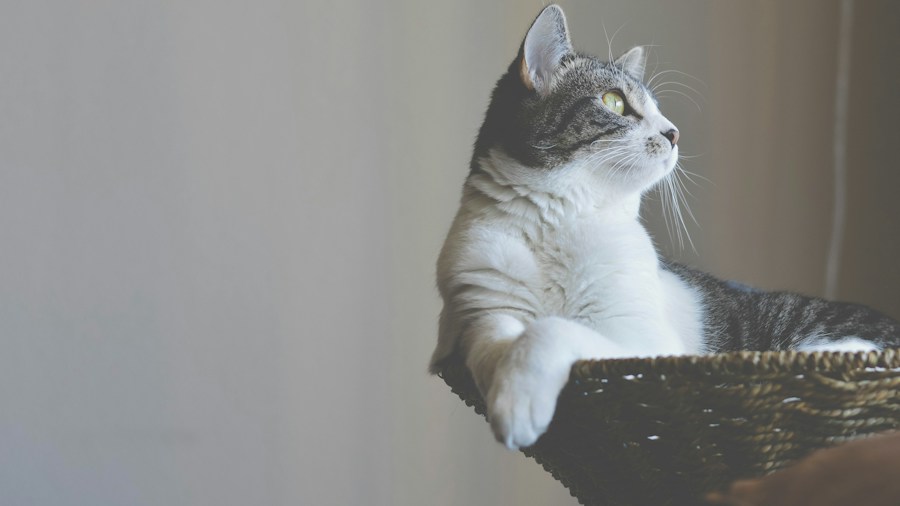
Simply covering furniture with sandpaper solves only half the problem. Your cat still has a natural, biological need to scratch. The complete solution requires offering an appropriate alternative that channels this instinct productively.
Start by understanding your cat’s specific scratching preferences. Do they prefer horizontal or vertical surfaces? What materials appeal to them most? Once you identify these preferences, place a scratching post or board directly adjacent to their current favorite furniture spot, which is now covered in sandpaper. When your cat chooses the new scratching surface instead, reward that behavior immediately with affection, treats, or play.
Consistency matters during this transition period. Continue rewarding your cat each time it uses the designated scratching item instead of the protected furniture. After several weeks of consistent use, gradually move the scratching post away from the furniture by just a few inches each day. Only remove the sandpaper once your cat has established a reliable preference for the alternative scratching location.
Balancing Pet Comfort and Home Protection
Creating a cat-friendly home doesn’t require sacrificing your furniture quality or appearance. The goal involves establishing boundaries that work for both you and your pet. Modern furniture approaches increasingly consider durability and repairability, but prevention remains more practical than dealing with damage after it occurs.
The sandpaper method represents a low-cost, non-harmful approach that respects your cat’s nature while protecting your investment. It requires patience and consistency but delivers results without relying on expensive commercial products or furniture replacements.
Whether you’re dealing with existing damage or preventing future problems, this garage-based solution offers a practical starting point. By understanding your cat’s motivations and providing appropriate outlets for their natural instincts, you create an environment where both you and your feline companion can thrive.









Write Your Review
No reviews yet. Be the first to share your experience!