

Winter snow removal is essential for safety, but improper shoveling techniques can cause thousands of dollars in damage to driveways, walkways, and other surfaces around your home. Before the first snow arrives, it’s critical to understand which tools and methods work best for different materials so you can protect your property while keeping pathways clear and safe.
Why Concrete Requires Special Care
Many homeowners are shocked to learn that metal snow shovel blades can scratch and gouge concrete surfaces. Even minor gouges might seem insignificant at first, but once water seeps underneath and freezes during cold snaps, spalling occurs. This damage can make your pavement look a decade older than it actually is, and repairs can easily exceed $3,000. The damage happens fast: aggressive shoveling can compromise a concrete surface in as little as 20 minutes.
The solution is straightforward: always use a poly-blade (plastic) or rubber-edged shovel when clearing snow from concrete. These gentler blade materials remove snow effectively without scratching or gouging the surface beneath. If you notice any existing cracks or imperfections in your concrete, take extra care to avoid pushing your shovel blade into these weak points.
Sealed Concrete and Protective Coatings
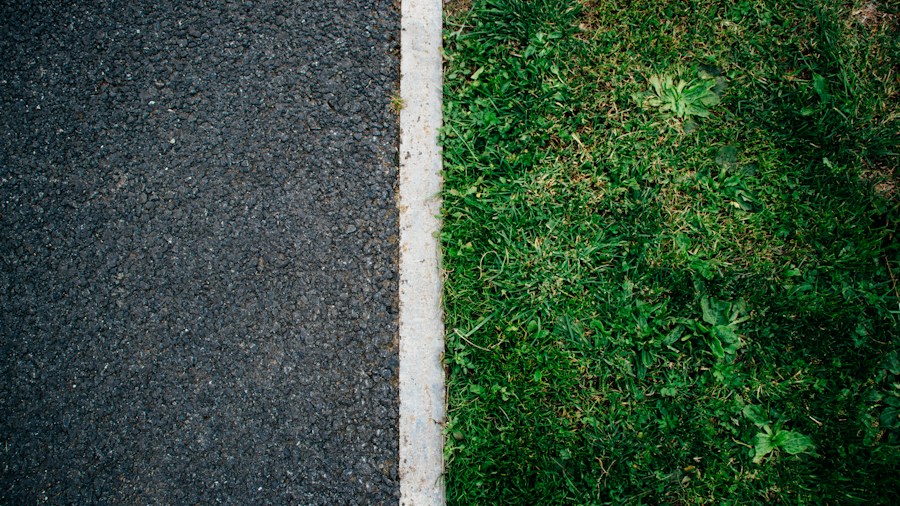
Sealed or painted concrete presents another challenge. Even coatings marketed as “scratch-resistant” are surprisingly fragile, measuring only about three millimeters thick. A steel shovel will chip away at these protective layers as easily as peeling your fingernails. To preserve sealed concrete, switch to a poly-blade shovel, use a slight upward motion when shoveling, and consider leaving a half-inch of snow behind to let the sun melt naturally. For sealed surfaces, avoid aggressive deicing products unless they’re specifically labeled as safe for your coating type. Even small cracks and damage require prompt attention to prevent water infiltration, which can undermine both the surface and its protective layer.
Asphalt Driveways and Parking Areas
Though asphalt appears durable, metal shovels damage it just as readily as concrete. This is especially true if your driveway already has cracks or potholes. The best approach combines the right tool with careful technique. Use a poly-blade or rubber-edged shovel, and tackle snow removal before it has a chance to partially melt and refreeze. Never push your shovel into existing cracks or bang the blade against the surface to dislodge stubborn ice. Instead, choose a deicer formulated to be safe for asphalt, which will dissolve ice without damaging the pavement beneath.
Pavers and Decorative Surfaces
Paver walkways require finesse rather than force. A shovel blade can easily catch the edge of a paver, causing scratches, cracks, or complete displacement. To protect your pavers, use a poly-blade shovel, take shorter strokes, push snow at a slight angle, and gently raise the leading edge of your shovel. Select deicers that are safe for both the paving stones and the jointing material. After the snow melts, inspect your walkway for any loose pavers that may have shifted during clearing and reset them as needed.
Concrete Walkways Bordered by Grass
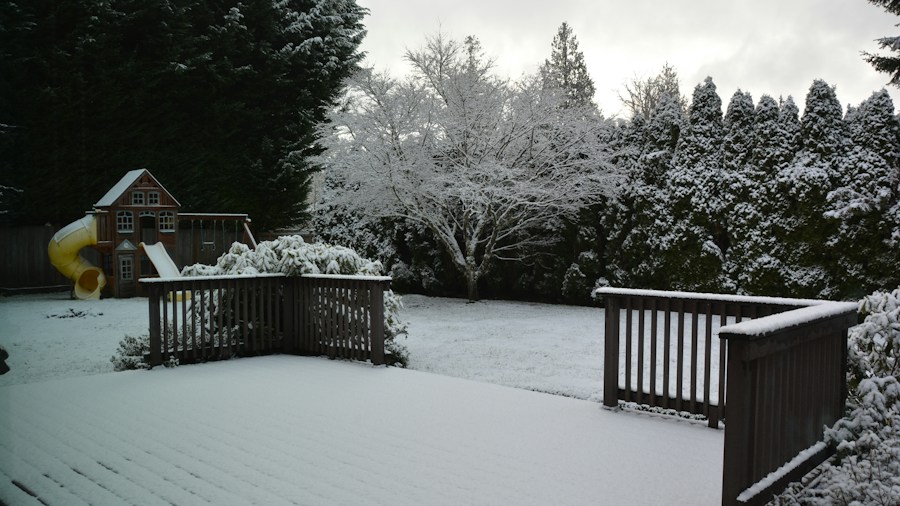
When concrete pathways run alongside lawns, it becomes difficult to distinguish where the pavement ends and grass begins, especially under fresh snow. One misaligned shovel stroke can damage grass that will need repair come spring. Proper planning before winter arrives makes seasonal tasks easier. Mark walkway edges with small flags before snow arrives. While shoveling, keep your blade even with the walkway instead of angling toward the grass. Work slowly in short passes near the edges rather than trying to force the shovel along in one aggressive motion.
Decks, Stairs, and Other Surfaces
Wooden decks require a poly-blade shovel and careful attention to the direction of the boards. Push snow along the board grain, and consider leaving a thin layer rather than shoveling down to bare wood. If your deck shows signs of stress such as sagging or creaking sounds while holding snow, stop using it immediately and consult a professional.
Stairs demand caution since they’re inherently hazardous in winter conditions. Wear boots with excellent traction, ensure adequate lighting, and work slowly. Use a small shovel to clear one step at a time while maintaining a stable stance. For roof snow, use a roof rake from the ground rather than climbing onto the roof itself, which is dangerous. Clear sections progressively but leave the surface slightly snowy to minimize damage to roofing materials.
Taking time to choose the right shovel and shoveling technique protects your property investment and keeps everyone safer throughout the winter season.











Write Your Review
No reviews yet. Be the first to share your experience!