

When shopping for furniture, the decision process can feel overwhelming. Endless styles, price points, and functionality options make it hard to know which pieces will truly work for your home and stand the test of time. But design professionals use a simple framework that eliminates buyer’s remorse and helps you invest in pieces that earn their place in your space.
What Is the Second Location Rule?
Interior designers rely on a practical principle called the Second Location Rule to guide their furniture purchases. The concept is straightforward: the best furniture pieces are those that can work in multiple rooms and serve different purposes depending on your needs.
Think about a side table currently sitting beside your living room sofa. Could it function as a nightstand in a guest bedroom? Might it fit in a hallway nook or work as a surface in a home office? If you can envision a piece serving multiple roles, it’s likely a solid investment. This versatility means you can refresh your home’s look without replacing furniture, simply by repositioning pieces to new locations.
Design professionals who have moved frequently discovered this principle naturally. After relocating multiple times, they noticed the items they consistently wanted to keep were always the ones that could adapt to different spaces and styles. Rather than abandoning furniture with each move, these pieces became more valuable because they fit seamlessly into new environments.
Why Versatility Matters for Your Wallet
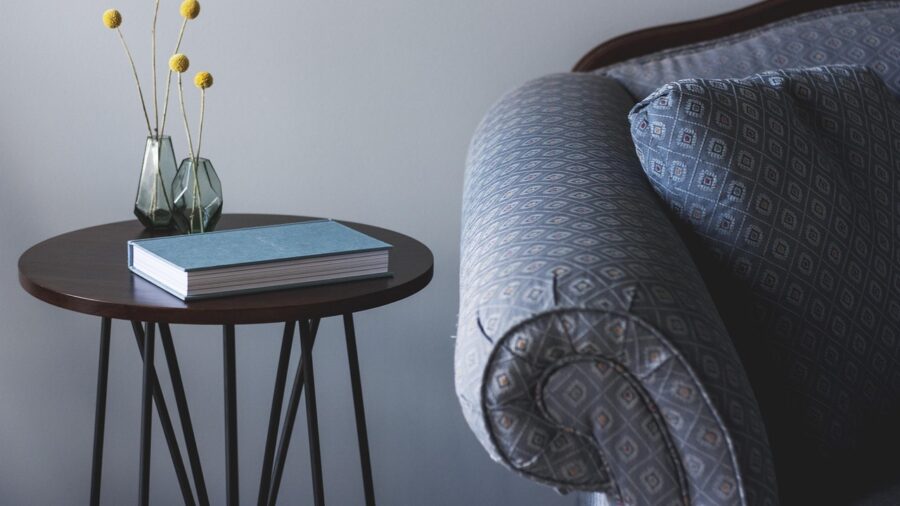
Furniture that passes the Second Location Test becomes increasingly meaningful to you as an owner. When you reuse a piece in a new room or give it a fresh purpose, it gains a new life. This cycle of reinvention strengthens your attachment to the item and increases its perceived value far beyond its original purchase price.
The benefit extends beyond emotional connection. By choosing pieces with multiple potential uses, you reduce waste and avoid the common trap of buying furniture that works in only one specific spot. This approach aligns with sustainable shopping practices and helps you build a home that evolves with your changing needs without constant replacement purchases.
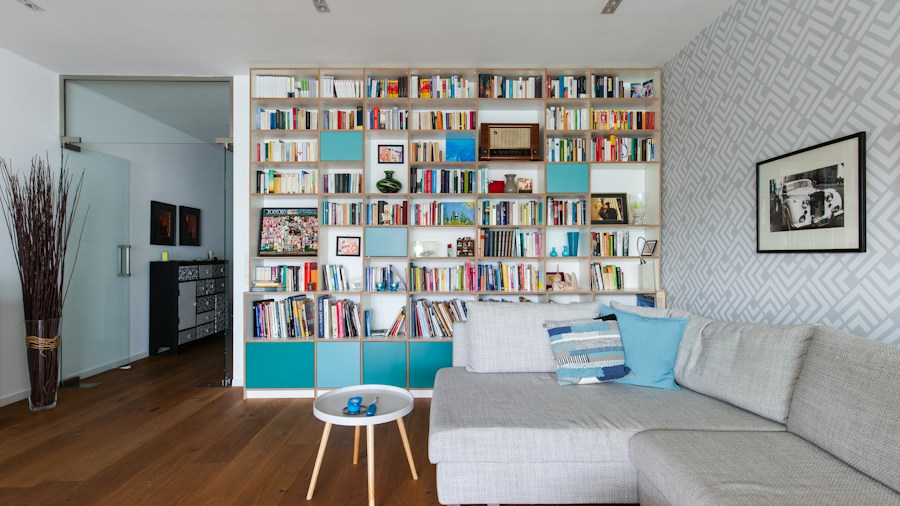
Some of the most versatile furniture items include bookcases that work in living rooms, bedrooms, studies, and bathrooms, accent chairs that transition between spaces, side tables in various heights and styles, and lamps that complement multiple decor schemes. Even larger pieces like area rugs and console tables can often find homes in different rooms throughout your home. Innovative furniture designs that combine storage and seating functions naturally score high on the versatility scale because they solve multiple needs at once.
How to Apply the Rule When Shopping
Before adding any furniture piece to your cart, pause and ask yourself: where else could this item live in my home? If you can picture it in at least one other room or serving a different function, you’ve likely found a piece worth buying. This mental exercise takes only seconds but can save you from making impulsive purchases you’ll regret.
When a designer recently invested in a bookcase for a bathroom, the decision made sense because she could envision relocating it to her living room, dining room, or study if her needs changed. That same designer passed on a vintage French wardrobe despite loving its aesthetic, because its substantial size and specific style meant it could only work in one dedicated space. The lesson is clear: versatility should influence your decision, but it shouldn’t override your personal style preferences.
Thoughtful furniture selection creates spaces that feel intentional and cohesive, and the Second Location Rule supports that goal by encouraging you to choose pieces that harmonize across your entire home rather than just one room.
Balance Versatility with Personal Style
While the Second Location Rule is valuable, it should never become your only purchasing criterion. If you don’t genuinely love a piece’s style, you’ll never truly enjoy living with it, no matter how versatile it is. The goal is not to buy everything that passes the versatility test, but rather to use this framework to narrow down your choices among pieces you already love.
For essential furniture like dining tables or nightstands where you might need to use temporary placeholder pieces, the Second Location Rule helps you choose options that won’t feel like dead weight in your space. However, when possible, waiting for the perfect piece usually pays off more than settling for something merely functional. Quality furniture that’s built to last and adapt to your changing needs represents a smarter long-term investment than quick purchases you’ll want to replace.
The Second Location Rule transforms furniture shopping from an anxiety-inducing task into a methodical process. By prioritizing pieces that can work in multiple settings, you build a home filled with items you genuinely love, reduce waste, and make smarter purchasing decisions that benefit both your budget and your living space.










Write Your Review
No reviews yet. Be the first to share your experience!