

If you’re planning a major furniture refresh or investing in new pieces for your home, you’ll want to stay ahead of design trends that are already losing their appeal. Leading interior designers have identified seven furniture styles and finishes that are on their way out, and understanding what’s becoming dated can help you make smarter purchasing decisions that won’t feel stale in just a few years.
The Shift Away From Light Wood Finishes
Pale timber furniture has dominated contemporary design for years, but designers are moving decidedly away from this look. When every piece in a room features the same light, washed wood finish, spaces can feel flat and generic. Instead, designers are championing richer wood tones like walnut, warm oak, and darker stains that showcase natural grain and character. These deeper woods add grounding presence to a room and create spaces that feel more collected and intentional rather than sterile.
Goodbye to Over the Top Sculptural Shapes
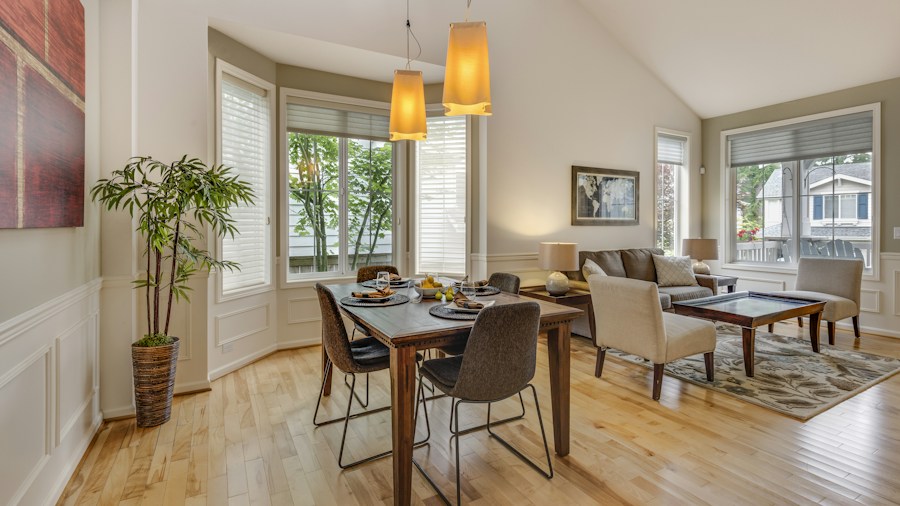
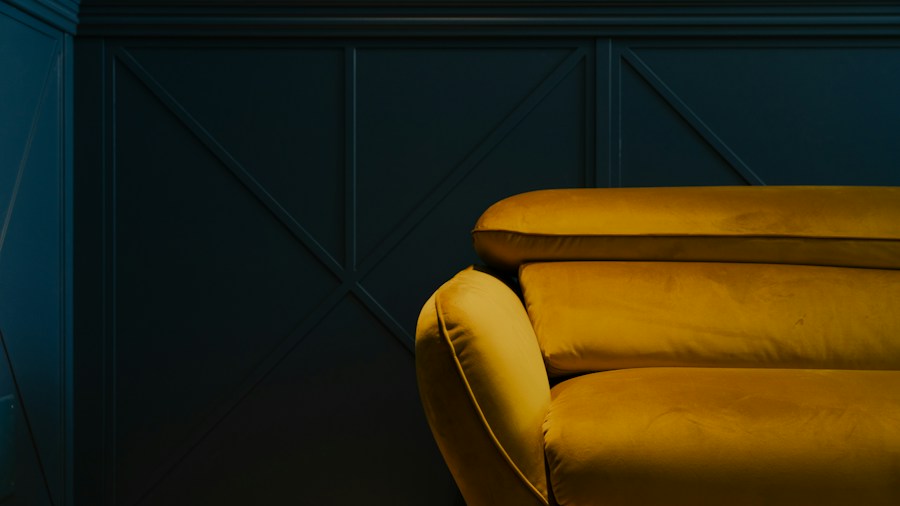
Bulbous sofas and furniture pieces where dramatic silhouette overshadows function have become ubiquitous, and that saturation is making them feel tied to a specific moment in time. While sculptural furniture isn’t disappearing entirely, the trend is moving toward pieces with strong, elegant proportions that take a quieter approach. The beauty of well-designed furniture is that personality and style can be completely reinvented through fabric and reupholstery choices, giving these pieces lasting value.
Furniture Must Earn Its Place
Decorative pieces that serve no real purpose are falling out of favor as homes are expected to work harder for their inhabitants. Smart furniture choices prioritize function alongside form, whether that’s seating that encourages gathering, tables designed for actual use, or storage that solves real problems. Game tables are emerging as popular living room focal points because they look beautiful while serving a genuine purpose and naturally bringing people together.
Bouclé and the Predictability Problem
The textured, bobbling quality of bouclé fabric made it wildly popular, but as these pieces have become everywhere, they’ve started to feel predictable and common. Designers are now gravitating toward tailored sofas and armchairs with more considered details: piping, pleating, skirts, contrasting fabrics, and beautiful trim work. These decorative elements create individual character while feeling more refined than texture-focused designs.
Bobbin Detailing Needs a Refresh
While bobbin furniture carries classic appeal and won’t technically date, the trend has become oversaturated, particularly in newly painted pieces. Designers prefer bobbin detailing when it appears on furniture made from rich, natural timber with authentic character rather than mass-produced painted versions. Moving forward, expect to see quieter forms of individuality gaining traction, including pieces featuring marquetry, bamboo detailing, or simply elegant silhouettes that feel collected and timeless.
Rejecting Overly Perfect Uniformity
Identical finishes and predictable silhouettes designed to match perfectly from home to home create spaces that feel more like showrooms than lived-in sanctuaries. Reimagining how furniture can be personalized is becoming increasingly important as consumers seek pieces connected to particular makers, materials, or places. Antique dining tables, reupholstered armchairs, and handcrafted wooden pieces bring the authentic character that mass-produced furniture simply cannot replicate.
The Scallop Edge Falls Away
Scalloped silhouettes on headboards, table edges, and furniture details introduce softness and decorative appeal, but overuse has diminished their charm. Designers are now seeking furniture with more unexpected, characterful proportions: unusual curves, interesting leg details, asymmetric elements, or surprising proportions. These shapes carry greater longevity because they aren’t anchored to a single decorative trend that will eventually cycle out.
What This Means for Your Shopping Decisions
The good news is that furniture trends are cyclical, not permanent. Styles disappear and return in new interpretations decades later. Rather than constantly replacing pieces to chase trends, the most effective approach is investing in furniture you genuinely love, choosing quality construction and timeless proportions, and understanding the materials and craftsmanship behind what you buy. Let your home evolve authentically over time instead of following every new trend.
The most successful homes reflect the people who live in them. When you prioritize personal style, genuine functionality, and pieces with character over trendy details, you’ll create a space that remains beautiful and relevant for years to come.











Write Your Review
No reviews yet. Be the first to share your experience!