

Budget DIY Transforms Basic Nightstand Into Storybook Showpiece
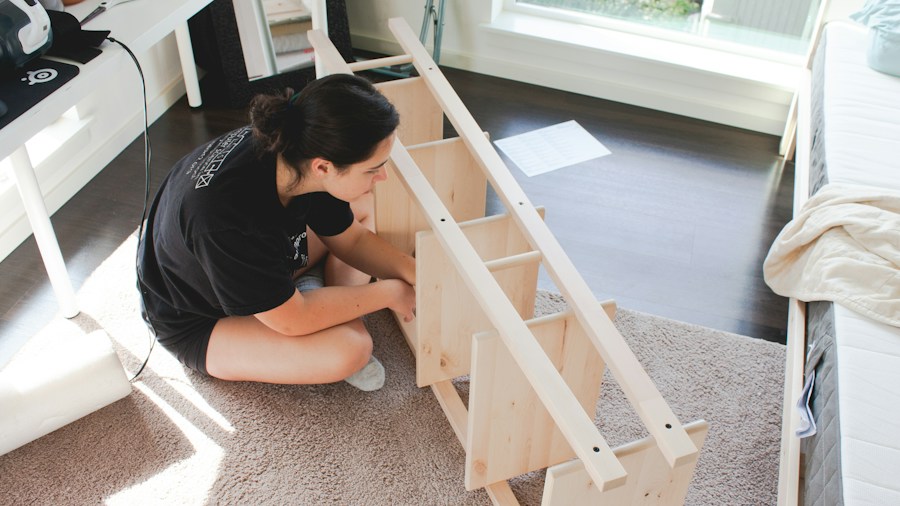
A growing trend in home decor has homeowners reimagining everyday furniture pieces into whimsical, fairy-tale inspired creations. What started as inspiration from high-end retailers has evolved into an accessible DIY movement where shoppers are taking affordable, unfinished nightstands and turning them into custom statement pieces for a fraction of the cost. This shift matters for consumers because it opens up affordable pathways to achieving designer-level bedroom aesthetics without breaking the bank.
The approach centers on selecting the right base piece, one that is made from solid wood and arrives unfinished. Pine construction is ideal because it accepts paint and stain well, and solid wood allows for modifications like cutting door openings and adding decorative trim. The IKEA TARVA nightstand, priced around $80 new, has become a favorite among DIY enthusiasts specifically because it meets these criteria. Even better, many shoppers find these models at thrift stores, garage sales, and online marketplaces for significantly less than retail price.
Why This Matters for Your Bedroom Budget
The economics of this trend are compelling. A designer dollhouse-inspired nightstand from premium furniture retailers can easily cost several hundred dollars or more. By contrast, a secondhand or new TARVA base combined with supplies like wood trim, miniature windows, and door hardware totals approximately $50 to $130 depending on customization choices. This represents a savings of 50 to 75 percent compared to purchasing a finished designer piece.
The transformation process itself remains straightforward enough for beginners. The first step involves preparing the base piece with light sanding and a base coat of stain or paint. Next comes the creative layer: mapping out window and door placements on a piece of solid pine board, cutting openings with a jigsaw, and securing miniature dollhouse windows and doors using wood glue and small hinges. Adding scalloped wood trim to the top edge enhances the storybook aesthetic. A final coat of stain unifies the entire piece.
Supplies can be sourced from hardware stores, dollar stores, and online retailers. Many shoppers report finding quality miniature windows and doors at discount stores, which further reduces costs. The entire project typically takes a weekend to complete, making it accessible even for those with limited DIY experience.
Design Trends Driving the Movement
The so-called “Disney-fication” of home spaces reflects a broader desire for fantasy-inspired, princess-like bedroom environments. Rich details, intricate patterns, and whimsical colors are becoming standard in modern bedroom design. This aesthetic appeals particularly to parents decorating children’s rooms and to adults seeking comfort through nostalgic, magical interiors. New phone-free bedside clocks have arrived that complement these fairy-tale spaces, offering an alternative to tech-heavy nightstand solutions.
What makes this trend financially sustainable is the flexibility in execution. Shoppers can start with a simple paint refresh on an existing nightstand, then gradually add decorative elements. Some choose to leave the interior storage open for books and everyday items, while others continue the dollhouse theme inside. This modular approach means the DIY investment can be spread across multiple seasons, reducing upfront spending.
Practical Considerations for Your Project
Before starting a nightstand DIY, assess whether your base piece is truly solid wood. Particleboard and veneered surfaces will not hold modifications well and may splinter or fail under stress. The TARVA line is reliable because every piece uses genuine pine construction throughout.
Color matching can present minor challenges when combining new wood additions with older base pieces. Natural wood yellowing over time may create slight shade variations even when using the same stain. Many DIY creators embrace this as part of the piece’s character, though repainting the entire nightstand later is always an option.
Premium bedside charging stations pair well with custom nightstands, solving the modern problem of nightstand clutter while maintaining visual harmony. Similarly, no-tech fragrance devices designed for bedside tables complement whimsical aesthetics without requiring electrical outlets.
What Shoppers Should Do Next
If you are considering a nightstand DIY, start by identifying your base piece. New TARVA units are readily available, but checking local thrift stores first can reduce costs further. Sketch your design idea before purchasing supplies, paying special attention to measurements and proportions.
Gather supplies from multiple retailers to optimize spending. Quality stain and wood glue from hardware stores will cost less than buying premium versions. Decorative elements like miniature windows and doors are often cheaper through dollar stores and discount online retailers than specialty woodworking suppliers.
The finished piece becomes both functional storage and a conversation starter. The combination of affordability, personalization, and accessibility explains why this DIY trend continues gaining traction among budget-conscious home decor enthusiasts across the country.









Write Your Review
No reviews yet. Be the first to share your experience!