

A new minimalist coffee table design is challenging the way homeowners think about living room furniture and everyday clutter management. The Handle Table, created through a collaboration between designer Marek Kounovský and Prague-based furniture maker Frayer, takes the conventional coffee table and reimagines it around a single powerful idea: essential function without visual mess.
Most people view their coffee table as a simple platform for holding a cup, books, and whatever else accumulates in daily life. But this new design asks a different question: what if your coffee table could absorb all those items while keeping your space looking clean? The answer lies in thoughtful concealment and deliberate restraint rather than flashy features.
The Japanese Philosophy Behind the Design
The Handle Table draws inspiration from the Japanese principle of hodo-hodo, which translates roughly to “just enough.” This philosophy celebrates moderation and balance, encouraging people to appreciate objects that fulfill their purpose without excess. For Kounovský, this meant stripping the coffee table down to its essential elements and removing anything unnecessary.
Rather than adding elaborate storage mechanisms or decorative flourishes, the designer focused on proportion, geometry, and how form and function could work together seamlessly. Every visible detail exists for a reason. This disciplined approach gives the table its distinctive character, proving that simplicity can be more compelling than complexity.
Storage That Stays Hidden
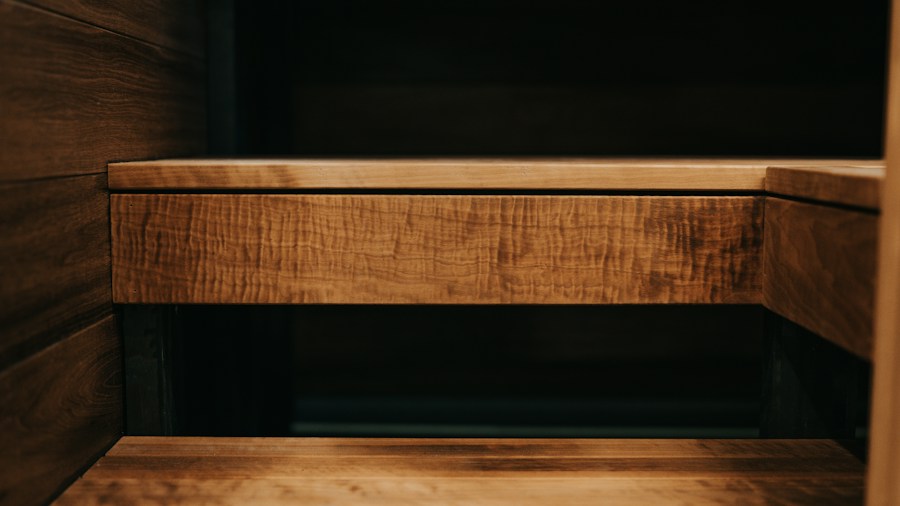
The most practical feature of the Handle Table is its concealed storage compartment built directly into the table’s geometry. Remote controls, magazines, phone chargers, and other small objects that clutter living rooms now have a dedicated home. The compartment remains visually discreet, allowing the table to maintain its sculptural appearance while performing multiple functions at once.
This approach addresses a real pain point for shoppers: how to keep everyday essentials accessible without sacrificing a clean aesthetic. If you’ve ever felt frustrated by a cluttered coffee table, this design offers a tangible solution. For those interested in other innovative storage solutions, redesigning your coffee table without buying a new one is another strategy some designers are exploring.
Functionality Built Into the Design
Beyond storage, the Handle Table includes an integrated handle that feels like a natural part of the overall composition rather than an afterthought. This subtle detail makes the table easier to move and reposition, which matters in modern homes where furniture frequently shifts between different arrangements and activities.
Contemporary living spaces rarely stay static. A table might host a workspace one day and a game night the next. The integrated handle extends the table’s usefulness by allowing it to adapt without requiring permanent placement. This flexibility represents a shift in how furniture makers are thinking about everyday products.
Material Craftsmanship and Finishing
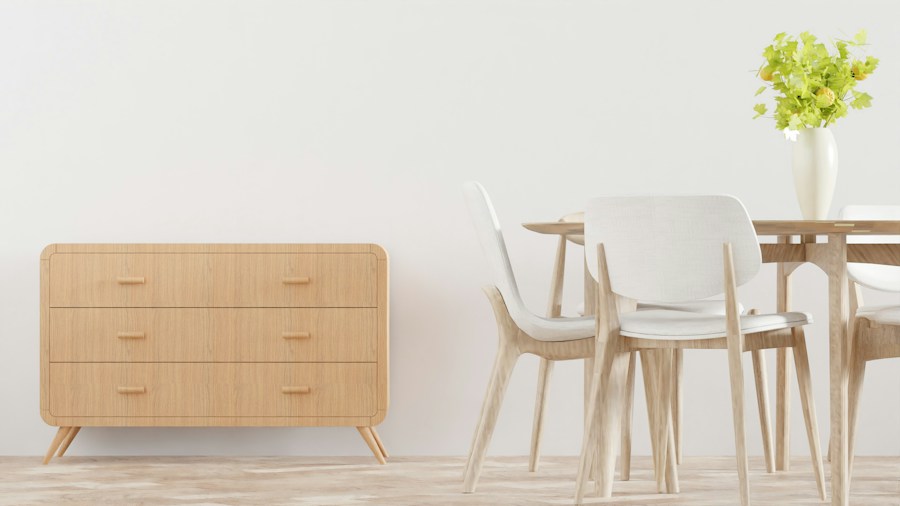
Bamboo forms the main structure, bringing its recognizable grain and natural texture to the design. The surface receives an oil-based wood stain developed specifically for bamboo through careful experimentation. Rather than hiding the material beneath an opaque coating, this finish emphasizes the bamboo’s inherent structure and tactile qualities.
This attention to material becomes crucial in a design with minimal visual elements. Without decorative distractions, the material itself becomes one of the primary ways the object communicates identity. The stained bamboo, precise construction, and carefully controlled proportions work together to create visual interest through restraint alone. Even the hidden compartment contributes to this philosophy by demonstrating how practical needs can be integrated into fundamental structure.
What This Means for Shoppers
For consumers looking to upgrade their living room, the Handle Table represents a meaningful shift in how furniture can solve real problems. Instead of choosing between aesthetics and function, shoppers can now find pieces that excel at both. This design philosophy suggests that truly good furniture doesn’t need to announce its cleverness.
The Handle Table was first presented at the Czech Design Week international design festival in Prague. The project reflects growing consumer demand for thoughtful design that respects both practicality and visual harmony in shared living spaces. Budget-friendly options that achieve luxury aesthetics continue to gain attention, but premium designs like this one appeal to shoppers willing to invest in quality and intentional design.
Whether you’re downsizing, redesigning, or simply tired of a cluttered coffee table, this trend toward concealed storage and minimalist form offers valuable lessons. Well-designed furniture needs only enough features to do its job beautifully, and that philosophy is increasingly shaping what modern shoppers are seeking in their homes.










Write Your Review
No reviews yet. Be the first to share your experience!