

Rope Curtain Rods Take Off: The Boho Trend Reshaping How Shoppers Hang Window Treatments
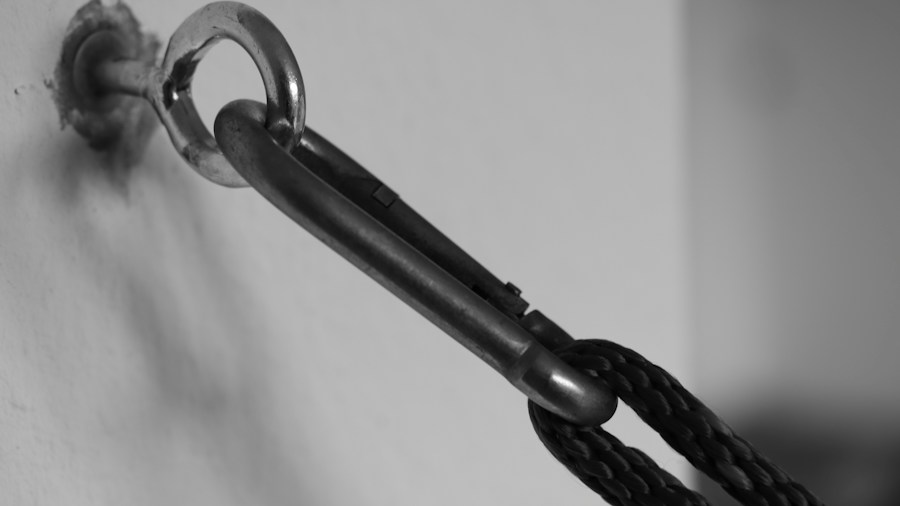
The home decor landscape is shifting as more shoppers discover an unconventional alternative to traditional metal curtain rods: soft, textured rope. This emerging trend reflects a broader movement toward bohemian style, natural materials, and DIY-friendly home improvement solutions. For budget-conscious decorators and style enthusiasts alike, this development opens up new possibilities for personalizing window treatments without breaking the bank or hiring a professional installer.
Why Rope Is Gaining Traction Among Home Decorators
The appeal of rope-hung curtains lies in their alignment with contemporary design preferences. Bohemian aesthetics emphasize natural textures, earthy tones, and organic materials, and a sturdy jute rope delivers all three. Unlike the rigid, industrial appearance of conventional metal rods, rope introduces softness and visual warmth to a room. This shift matters for shoppers because it signals that functional home elements no longer need to be purely utilitarian; they can contribute meaningfully to overall decor impact.
The trend also reflects growing consumer interest in alternatives to mass-produced, one-size-fits-all solutions. As nature-inspired curtain rods gain popularity, retailers are responding with more options for customers seeking distinction. Rope-based systems offer that distinction at minimal cost while remaining accessible to renters and homeowners who might hesitate to drill holes or make permanent changes.
The Simple Installation Process Makes This Accessible to Everyone
What separates this trend from purely aesthetic movements is its practicality. The installation requires only basic materials: rope, eyebolts or wall hooks, a drill, measuring tape, and scissors. The process itself involves measuring the wall width, accounting for natural sag and knot space, cutting the rope to length, drilling pilot holes into wall studs, twisting eyebolts into place, and securing the rope at both ends. Threading the curtain onto the rope can be simplified by taping the rope end to a pencil and pushing it through the rod pocket, or using a large crochet hook to guide it along.
This accessibility is changing what shoppers expect from their window treatment projects. Previously, hanging curtains often meant dealing with heavy metal rods, complicated bracket systems, and alignment challenges. The rope method eliminates much of that complexity while producing a sophisticated, intentional look. Additionally, decorative alternatives to standard brackets continue to emerge, giving shoppers more ways to move beyond conventional approaches.
Selecting the Right Materials Makes All the Difference
Success with rope curtain systems depends on choosing appropriate materials. Thick jute rope performs well because it combines strength with aesthetic appeal, resisting bowing under the weight of curtains while maintaining visual interest. Not all curtains suit this setup equally; lightweight fabric panels work best, as heavy velvet or blackout materials can overwhelm the rope’s structural capacity or create an unbalanced appearance.
Shoppers considering this option should also evaluate their existing curtains. Rod pocket styles are ideal for threading onto rope, though ring-style curtain attachments offer an easier alternative that also allows for smoother operation when opening and closing. This flexibility gives homeowners multiple pathways to success, reducing the risk of costly mistakes or mismatched components.
What This Trend Means for the Broader Home Decor Market
The rise of rope-hung curtains signals several important shifts. First, consumer interest in bohemian and nature-inspired design continues to accelerate, driving product innovation across home categories. Second, DIY and budget-friendly solutions are no longer viewed as inferior alternatives but as legitimate style choices. Third, shoppers increasingly want customization and individuality in their home environments, pushing back against standardized, commercial solutions.
For retailers, this trend suggests growing demand for quality jute rope, eyebolts, and lightweight curtain panels marketed specifically for boho applications. The trend also reinforces interest in affordable bathroom and window treatment upgrades that allow renters and homeowners to make meaningful style changes without permanent commitments.
Getting Started With Your Own Rope Curtain Project
If you are interested in adopting this trend, start by assessing your current window treatment and walls. Confirm that your wall studs can support eyebolts and curtain weight, and gather your materials before beginning. Measure twice, cut once, and remember that natural rope sag adds character rather than detracting from the design. The entire project typically takes an afternoon and costs significantly less than upgrading to designer curtain hardware.
This emerging trend demonstrates how small changes in approach can transform a room’s character. By choosing rope over traditional rods, shoppers are embracing both aesthetic preference and practical wisdom, creating spaces that feel intentional, warm, and distinctly personal.












Write Your Review
No reviews yet. Be the first to share your experience!