

The commercial HVAC industry is undergoing a significant transformation. Starting in 2026, manufacturers began phasing out R-410A refrigerant in favor of lower-impact A2L alternatives like R-32. For building owners and facility managers, understanding this shift and its implications can help you make informed decisions about cooling and heating system upgrades or replacements.
Why VRF Systems Are Growing in Commercial Buildings
Variable Refrigerant Flow, or VRF, technology has become increasingly popular in commercial HVAC applications because it delivers both efficiency and operational flexibility. Unlike conventional systems that run at full capacity and cycle on and off to maintain temperature, VRF systems use inverter-driven compressors that continuously adjust output to match actual building demand. This precise control translates into lower energy bills while maintaining consistent comfort across multiple zones.
Building owners also appreciate VRF systems because they operate all-electrically without burning fossil fuels, supporting sustainability goals and reducing carbon footprint. The compact design requires refrigerant piping instead of extensive ductwork, which means faster installation, reduced space requirements, and greater design flexibility, particularly in retrofit projects where mechanical space is limited.
The A2L Refrigerant Transition and What It Means
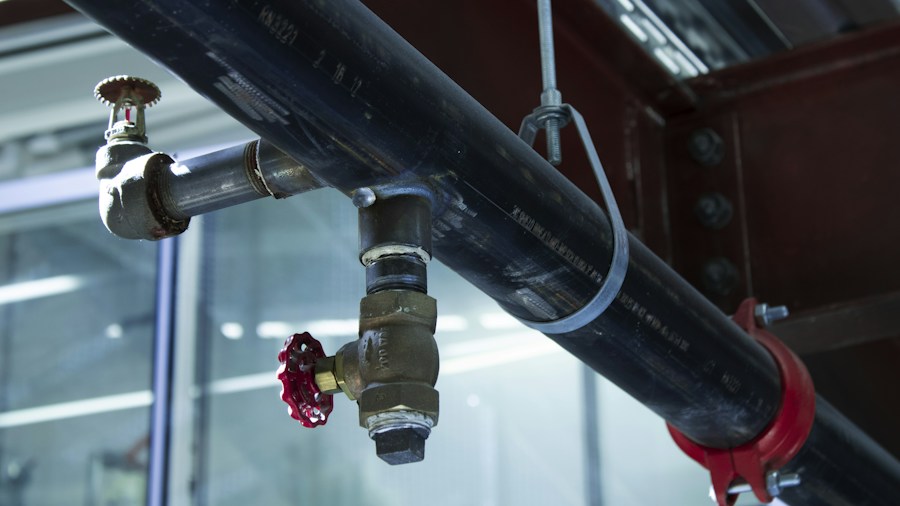
The movement toward A2L refrigerants represents an industry-wide response to environmental regulations and global warming potential concerns. As this transition unfolds, project teams are carefully evaluating refrigerant charge limits, safety requirements, system design, and code compliance to ensure new installations meet updated standards.
For buyers, this transition doesn’t diminish VRF’s core advantages. Instead, it introduces new safeguards and improved technology. Newer VRF platforms now incorporate advanced refrigerant leak detection and automatic isolation capabilities. If a leak occurs, sensors detect the problem and isolate the affected zone while allowing other areas to continue operating, reducing refrigerant loss and system downtime.
These safety enhancements also help prevent efficiency loss from low refrigerant charge levels, potentially improving overall system performance. Designers are also reducing refrigerant volumes through smaller, more targeted zoning strategies that maintain comfort while minimizing environmental impact.
How This Affects Your Building Project Planning
The refrigerant transition is changing project timelines and team coordination. HVAC professionals are now involved earlier in the design process, and better communication among mechanical, architectural, electrical, and controls teams is essential. This earlier engagement actually benefits building owners by ensuring system designs address safety, compliance, and efficiency from the start. HVAC companies investing in growth strategies are better equipped to support complex modern projects, bringing greater expertise to your planning discussions.
Building automation and centralized controls integration means you gain superior visibility into system performance, scheduling, alarms, and operating conditions. This transparency helps optimize energy consumption and catch maintenance needs before they become costly problems.
What Contractors and Building Owners Should Do Now
Training and education are critical during this industry transition. Contractors who invest in understanding A2L refrigerants, updated safety technologies, leak detection systems, and evolving code requirements position themselves to guide customers through equipment selections effectively. As a buyer, you benefit when you work with HVAC partners who stay current with these changes.
When planning any VRF system project, ask your contractor about their experience with A2L refrigerants, their training on leak detection technology, and their familiarity with current compliance requirements. This ensures your system meets all safety standards while delivering the efficiency benefits you expect.
Industry workforce changes are also reshaping how contractors operate, potentially affecting service availability and expertise in your area, making it even more important to partner with established, well-trained HVAC professionals.
The Bottom Line for Building Owners
The refrigerant transition introduces new considerations for VRF system design and installation, but the reasons owners choose VRF remain unchanged: superior efficiency, design flexibility, comfort control, and system visibility. What’s evolving is how these systems are designed and implemented, not whether they remain an excellent solution for modern commercial buildings.
By working with knowledgeable HVAC professionals who understand both VRF technology and A2L requirements, you can confidently move forward with system upgrades that deliver long-term value, lower operating costs, and reduced environmental impact. The transition may seem complex, but it ultimately means safer, more efficient systems designed specifically for modern buildings.












Write Your Review
No reviews yet. Be the first to share your experience!