

A Major Shift in Dining Table Engineering
The dining table has long represented a compromise: beautiful and sturdy tables weigh enough to require multiple people to move them, while lighter options often sacrifice stability and visual appeal. That tension is beginning to shift. LAYER’s Ripple design introduces a structural innovation that challenges everything shoppers assumed about what makes a dining table durable and practical.
The Ripple table measures approximately 8.2 feet long and 39.4 inches wide, offering a generous surface for family gatherings and entertaining. The breakthrough lies in how it achieves this size while weighing just 19.8 pounds, a figure that sounds almost impossible for furniture this substantial. A single person can now reposition a full-sized dining table without coordinating help from household members or friends. That shift matters more than it might initially seem, especially for renters, frequent movers, and anyone who likes to rearrange their space.
How the Wavy Core Design Works
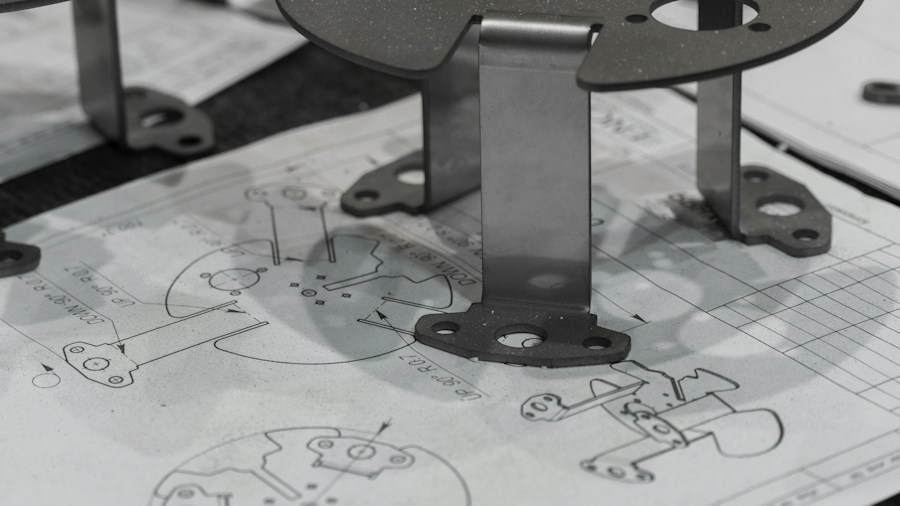
The innovation centers on a counterintuitive idea: instead of using thick, solid wood, LAYER specified thin plywood at approximately 0.12 inches and gave it a corrugated, wavy profile. Working with Canadian manufacturer Corelam, the design uses pressure lamination to create repeating curves underneath the surface. This layered construction approach generates structural strength from shape rather than pure mass.
Here’s what makes this elegant: the waves stay hidden. A flat plywood sheet covers the corrugated structure on top, creating the smooth surface shoppers expect for placing plates, glassware, and laptops. Flip the table over, and the innovative wave pattern becomes visible along the edges and underside. The design delivers function and visual interest without forcing users to sacrifice practicality. If you’re exploring dining options, drop leaf dining tables offer another space-saving solution worth considering alongside innovative materials like this.
Structural Integrity Without the Weight
A lightweight table only solves the moving problem if it remains sturdy enough for everyday use. LAYER addressed this concern through refined hollow triangular leg profiles, which increase rigidity in two directions without adding bulk. The tabletop itself curves gently across its length and width, further distributing weight and preventing wobble or flex. These aren’t decorative flourishes: they’re engineering decisions that make lightweight furniture actually functional.
The red finish applied to the Ripple emphasizes the design’s refined profile rather than letting it fade into the background. From the side, the table appears almost impossibly thin, like a sheet balanced on four narrow supports. That appearance captures a genuine achievement: maximum surface area with minimum material.
Environmental and Practical Implications
LAYER’s documentation suggests the Ripple uses between 70 and 80 percent less material than a standard timber dining table, though the exact comparison isn’t always clear. Beyond the basic material reduction, using less wood aligns with growing consumer interest in sustainable furniture choices. The environmental benefit extends beyond raw material: less weight means reduced shipping impacts, easier transport by consumers, and potentially longer usable life since the table remains easier to maintain and relocate.
However, the full environmental story involves more than material quantity. Adhesives, finishing products, manufacturing processes, and how long you actually use the piece all factor into genuine sustainability. The core principle still holds value: accomplishing the same result with substantially fewer resources represents progress, even if it’s not a complete solution.
What This Means for Shopping Decisions
Currently, LAYER presents Ripple as a studio research project without retail pricing or ordering details. The design signals where dining table innovation is heading: toward construction methods that prioritize both function and livability over pure tradition. For shoppers accustomed to heavy, immovable tables, the possibility of full-sized furniture that one person can actually move represents genuine change.
The practical limitations remain worth considering. Size doesn’t shrink, so you’ll still need clear pathways through your home to move an 8.2-foot tabletop around corners and doorways. If you’re searching for solutions to spatial constraints, ceramic brick vases offer innovative centerpiece options that complement any table style without consuming valuable surface space.
The Ripple design represents a meaningful evolution in how manufacturers think about dining tables. By reconsidering material structure rather than simply stacking thicker wood, this approach demonstrates that innovation in home furniture isn’t limited to style or finish. It extends to fundamental engineering that makes everyday life more practical while respecting resource constraints. As more designers pursue similar strategies, shoppers can expect better options that balance durability, aesthetics, and genuine usability.












Write Your Review
No reviews yet. Be the first to share your experience!