

Understanding Your Mattress Warranty Protection
Investing in a new mattress is one of the largest purchases you’ll make for your bedroom. Most quality mattresses come backed by a warranty, but the protection you receive depends entirely on understanding what your warranty covers and what actions will cancel it. Mattress warranties typically range from 10 years to lifetime coverage, yet the specific terms vary significantly from brand to brand.
A mattress warranty is essentially a manufacturer’s promise to repair, replace, or refund your mattress if it develops a structural defect from manufacturing problems. These include issues like excessive sagging, broken coils, foam splitting, seam separation, or faulty components. However, warranties are usually limited in scope, covering only select defects rather than all possible damage. Understanding the difference between prorated coverage (where you pay an increasing percentage of repair costs over time), non-prorated coverage (where the manufacturer covers full repair costs), and combination warranties (which blend both types) is essential for knowing your actual protection level.
What Most Mattress Warranties Cover
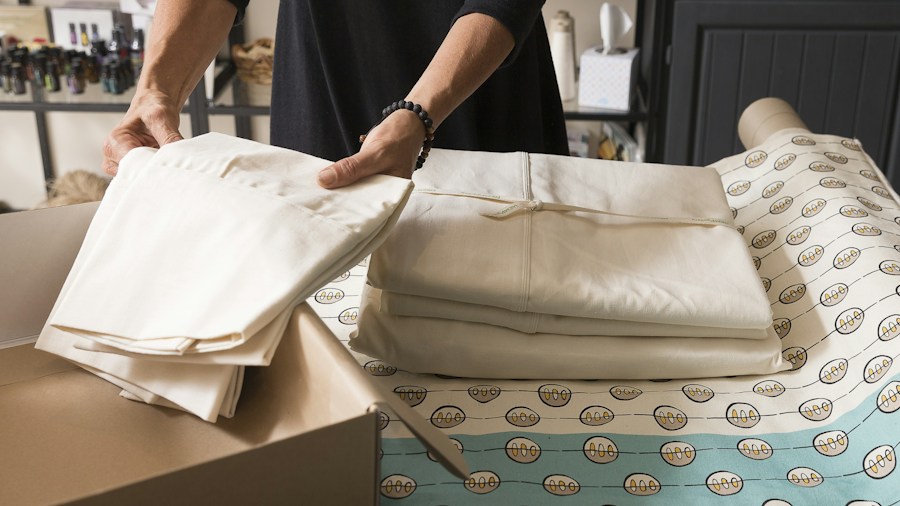
Standard mattress warranties protect against manufacturing defects including excessive sagging or permanent indentations beyond the brand’s specifications, broken or protruding coils, material flaws like cracks or splits in foam layers, separated seams, damaged handles or zippers, and manufacturing errors in the mattress cover itself. Some warranties also address sizing inconsistencies. However, warranties explicitly exclude damage from improper use, accidental damage, or normal wear and tear over time.
Ten Actions That Can Void Your Mattress Warranty

1. Using Improper Bed Support
Placing your mattress directly on the floor or on an unsuitable bed frame accelerates wear and tear. Manufacturers require adequate support underneath to prevent premature sagging, and failing to provide it voids your warranty coverage immediately.
2. Removing the Law Tag
The white law tag sewn into your mattress contains factory codes and product identification information. Many brands explicitly state that removing this label voids your entire warranty. These tags are legally required in the US and removing them also violates regulations.
3. Allowing Stains or Soiling
Any visible stains, spills, or soiling render your mattress a sanitary risk, and manufacturers will deny warranty claims on stained units. This remains true even if the stain is completely unrelated to your actual defect claim. If you’re concerned about maintaining your mattress, removing stubborn mattress stains can be done affordably, protecting both your investment and your warranty coverage.
4. Exceeding Weight Capacity
Every mattress has a maximum weight capacity specified by the manufacturer. Exceeding this limit places excessive strain on the internal support system, causing premature sagging and permanent indentation that manufacturers will classify as user-caused damage rather than a defect.
5. Missing Your Proof of Purchase
Without a receipt or proof of purchase, you cannot establish when you bought the mattress. This makes your warranty unenforceable. Second-hand mattresses purchased without original documentation also lose warranty protection.
6. Ignoring Care Recommendations
Mattresses with wool, cashmere, or delicate covers require specific cleaning methods. Memory foam mattresses can sustain permanent damage from extreme heat or excessive moisture. Not following the manufacturer’s care instructions voids your warranty protection.
7. Physical Abuse or Misuse
Using your mattress for anything beyond sleeping, jumping, standing, or using it as a trampoline, damages the internal structure. Folding, bending, or otherwise physically abusing the mattress will void your warranty. If you have concerns about protecting your mattress investment, learning ways to prevent bed bugs in your mattress represents responsible ownership that maintains warranty eligibility.
8. Attempting to Return Visibly Damaged Mattresses
If you try to return a stained or obviously damaged mattress during your sleep trial period, manufacturers will deny warranty claims automatically. Visible damage signals that the mattress has been misused rather than defective from manufacturing.
9. Leaving Your Mattress Boxed Too Long
Factory-compressed mattresses need to be unboxed within 30 days of delivery. Extending beyond this window risks permanent structural damage that prevents proper expansion. Manufacturers will deny warranty claims for damage caused by late unboxing, so mark your calendar when your mattress arrives.
10. Removing the Mattress Cover
Even if your mattress cover has a zipper, removing it voids most warranties. The cover protects the internal materials from dust, allergens, and damage. Proper mattress maintenance using recommended cleaning methods keeps your cover intact while protecting warranty coverage.
What This Means for Your Purchase Decision
Before buying any mattress, request the full warranty documentation and read the fine print carefully. Understanding these ten warranty-voiding actions helps you make an informed purchase and protects your investment for years to come. The best mattress for your needs is one you’ll maintain properly and use within its intended purpose.












Write Your Review
No reviews yet. Be the first to share your experience!