

What the Survey Found
A comprehensive poll of nearly 900 American parents with children aged 10 and younger has uncovered a troubling sleep health emergency that many families are experiencing quietly. The results show that only 5% of surveyed parents are actually getting the recommended amount of sleep each night. Even more alarming, more than one quarter of respondents display measurable signs of undiagnosed sleep apnea, a serious breathing disorder that disrupts sleep and can lead to significant health complications if left untreated.
The survey was conducted in August 2026 and included both mothers and fathers across the United States. These findings paint a stark picture of exhaustion that extends far beyond typical parental tiredness from caring for young children.
Why This Matters for Your Health

Sleep apnea is not something parents should dismiss as simply part of the job. The condition causes repeated pauses in breathing during sleep, fragmenting rest quality and depriving the body and brain of oxygen. Many parents chalk up their extreme fatigue, morning headaches, and daytime drowsiness to the demands of raising small children, when in fact an underlying sleep disorder could be the real culprit.
The consequences of undiagnosed and untreated sleep apnea extend into every corner of daily life. Survey respondents reported that their sleep debt has damaged their relationships, negatively affected their moods, clouded their thinking and memory, slowed physical recovery, hindered career advancement, and compromised overall wellness. These are not minor inconveniences but genuine health and quality-of-life impacts that affect the entire family.
What Doctors Need to Do Differently
A critical finding from the survey is that 86% of parents want their healthcare providers to actively share resources and information to help them overcome sleep challenges. This represents a clear gap between what patients need and what many medical practices are currently offering.
Sleep medicine experts stress that clinicians should stop accepting parental exhaustion as inevitable and instead proactively screen for underlying sleep disorders during routine healthcare visits. Rather than dismissing tired parents as simply overworked, doctors should ask detailed questions about sleep quality, snoring, gasping for air at night, and daytime sleepiness. When symptoms emerge, understanding your sleep apnea classification and AHI number is crucial for getting proper treatment.
Access to sleep care must become broader and more integrated into everyday healthcare rather than something families have to hunt down on their own. Many parents do not realize that realistic, practical sleep strategies exist that account for the real challenges of raising young children.
What Shoppers and Families Should Do
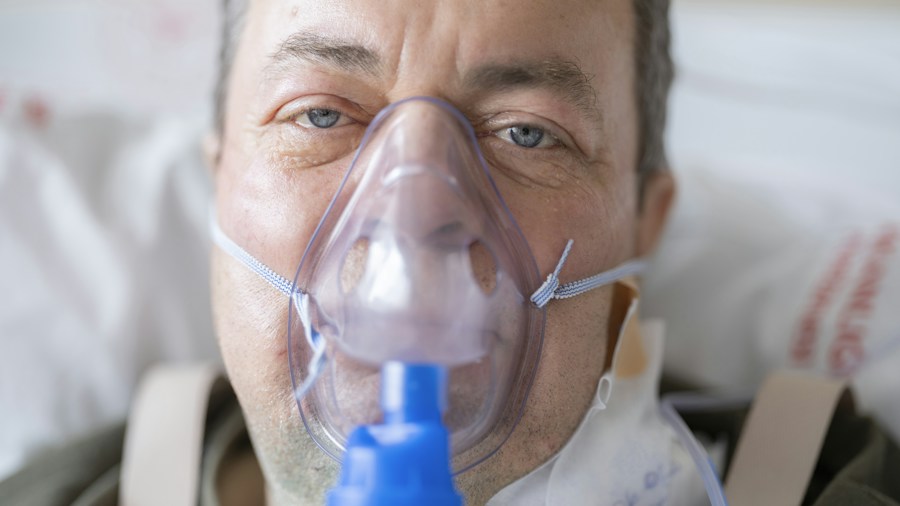
If you are a parent of young children and consistently feel exhausted despite getting what should be adequate sleep, or if you snore or experience gasping episodes, schedule a conversation with your healthcare provider about sleep assessment. Mention the specific symptoms you are experiencing rather than assuming fatigue is simply part of parenting.
Understanding your sleep health is the first step toward better treatment options. Recent FDA approvals of treatment options have expanded what is available to sleep apnea patients, giving more families access to effective solutions. If your doctor recommends a sleep study or screening, pursue it promptly rather than delaying.
For parents using CPAP equipment or other sleep apnea treatments, staying consistent with your therapy improves not only your own health but also your ability to be fully present and capable for your children. Digital tools and platforms now make it easier to access and manage sleep apnea treatments, removing some of the friction that previously made treatment inconvenient.
The Bigger Picture
This survey highlights that sleep disorders among parents are not rare exceptions but a widespread public health issue affecting millions of American families. The fact that more than one quarter of surveyed parents show signs of sleep apnea suggests that countless children are growing up with parents who are not operating at full capacity due to an undiagnosed medical condition.
Parents deserve to have their sleep concerns taken seriously. If you fit the profile of someone struggling with unexplained fatigue, do not accept it as your new normal. Ask your doctor about sleep health screening, and make your symptoms heard in the healthcare system.







Write Your Review
No reviews yet. Be the first to share your experience!