

What Happened
A breakthrough in contemporary furniture design has emerged with an acrylic folding chair that challenges everything shoppers expect from transparent seating. Rather than treating folding as merely a practical storage feature, designers have made the folding mechanism the visual centerpiece of the piece. The result is a chair that looks like origami, feels substantial, yet remains lightweight and easy to transport. This approach represents a significant shift in how manufacturers think about combining form, function, and material innovation in home furnishings.
Why This Matters for Furniture Shoppers
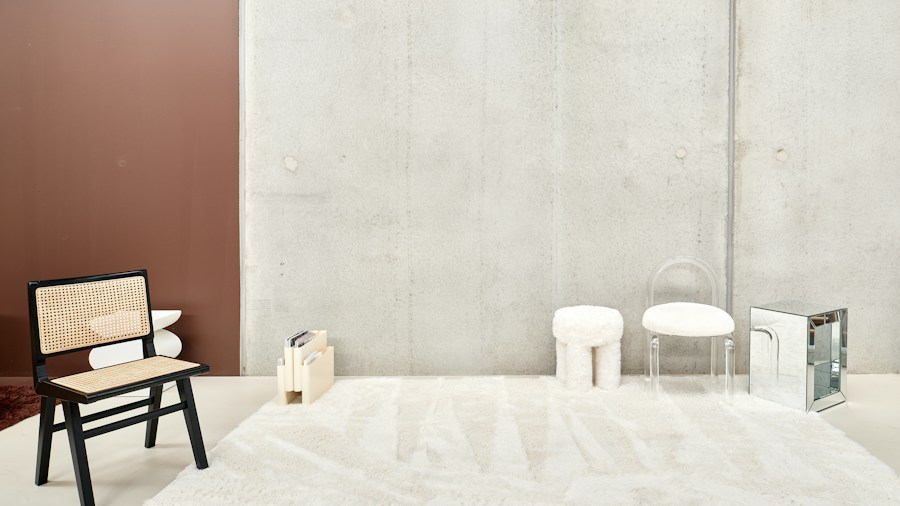
Understanding this design philosophy helps you recognize quality and creativity when evaluating modern furniture options. The chair demonstrates that smart engineering and thoughtful design can deliver multiple benefits at once: visual appeal, practical functionality, reduced weight, and easy assembly. These are all attributes that today’s shoppers increasingly value.
The Material Innovation Behind the Design
Acrylic has traditionally been associated with cold, crisp aesthetics and sharp edges. This new design completely reimagines the material’s potential. By using thin acrylic sheets folded into pronounced curves, the chair achieves an appearance of soft, inflated volume without the weight of solid construction. The transparent quality keeps the visual footprint light, while the exaggerated curves create enough presence to serve as a focal point in any room.
The contradiction between what you see and what you feel when touching the chair is intentional. Your eyes perceive something soft and rounded, similar to an inflated form, yet your hands discover hard acrylic material. This sensory disconnect adds personality and encourages interaction. The smooth transitions and broad curves break the expectations most people hold about rigid acrylic furniture.
Construction That Makes Sense
What truly sets this chair apart is how the folded acrylic performs structural duties without requiring additional bolts or adhesive bonding. The material itself supports the weight through its engineered folds, while a minimal leg system provides additional stability. This approach results in a cleaner appearance because there are fewer visible assembly points or interruptions. Instead of looking like separate components joined together, the chair reads as one continuous sculptural form.
The flat-packed nature extends beyond mere convenience. When you receive and assemble this furniture, the process becomes part of the experience. Unfolding the acrylic sheet to reveal its final form feels similar to completing a complex piece of origami. This DIY quality makes the chair feel approachable and approachable, even though its aesthetic appearance is decidedly sculptural and experimental. You can observe the folds and immediately understand the construction logic, which builds confidence in the design.
Practical Benefits for Your Home
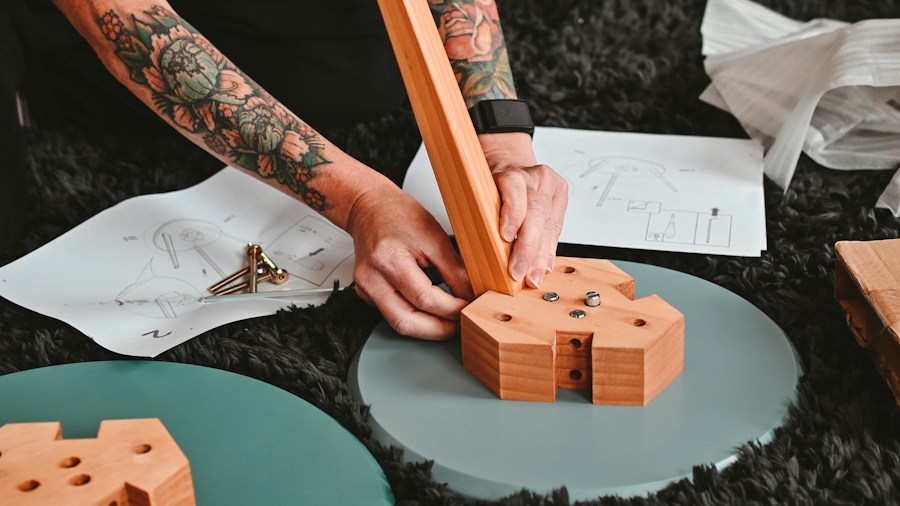
For shoppers concerned about how furniture fits within modern living spaces, this chair offers several advantages. The transparent acrylic material prevents visual heaviness, making it suitable for smaller rooms or spaces where you want to maintain sightlines. The lightweight construction means moving and rearranging your furniture becomes easier than with traditional chairs. Transportation and delivery logistics are simplified because the flat-packed form reduces shipping volume and associated costs.
The chair does not sacrifice aesthetics or functionality for innovation. It feels playful without becoming novelty furniture, and experimental without losing its essential purpose as comfortable seating. As an object in a room, it naturally becomes a focal point while maintaining visual lightness through its transparent nature. This balance allows the furniture to shape a room’s atmosphere without overwhelming it.
What This Means for the Furniture Industry
This design signals an important trend: consumers increasingly appreciate when manufacturers reveal rather than hide their construction logic. You do not need mystery or deception to create interesting furniture. By embracing and celebrating how something is made, designers can create objects that are more engaging and memorable. When comparing furniture options and evaluating value, look for this kind of transparent thinking in design.
The strongest concept behind this chair is refreshingly simple: take a thin, rigid material and transform it into something that appears full, soft, and substantial through thoughtful folding alone. This accomplishment demonstrates that innovation in furniture does not require complicated technology or excessive materials. Instead, it requires understanding your materials deeply and respecting the shopper’s intelligence and desire for authenticity.
The pleasure of making, assembling, and living with well-designed furniture creates a connection that mass-produced alternatives cannot match. When you choose pieces that celebrate their construction, you invest in objects that remain interesting and satisfying long after purchase.








Write Your Review
No reviews yet. Be the first to share your experience!