

Why Your Houseplants Look Straggly in September
As September arrives and daylight hours shrink, many indoor plant owners notice their once-compact plants suddenly looking stretched and weak. This seasonal problem, called leggy growth, happens when houseplants receive significantly less light than they did during the brighter summer months. Your plants have grown accustomed to intense summer sunshine, so when they’re suddenly positioned away from windows or experience reduced daylight hours, they respond by growing long, sparse stems in a desperate search for more light.
Leggy growth isn’t just an aesthetic issue. Weak, elongated stems are fragile and prone to snapping, and the stressed plant becomes more vulnerable to pests and temperature fluctuations right as winter approaches. The good news: this problem is straightforward to fix with the right approach and a little patience.
Understanding the Root Cause
The main culprit behind leggy houseplants in autumn is the dramatic shift in light conditions. Many indoor plants continue actively growing through September, but without sufficient light to support this growth spurt, they become stressed. When a plant doesn’t receive adequate brightness, it stretches its stems in an attempt to reach more light sources, resulting in those characteristic long gaps between leaves and weak, thin growth.
This is particularly common for houseplants that thrive in bright, indirect light. A plant positioned several feet from a window during summer may have received enough reflected light, but as the sun’s angle changes and days shorten, that same location becomes too dim. You can use a light meter to determine whether your plant is truly receiving enough illumination for its species.
Step 1: Gradually Acclimate Your Plant to Better Light
The first step in recovery is repositioning your houseplant to a location with brighter light, but do this gradually. Moving a plant from dim conditions directly into intense light can shock it further. Instead, shift your plant a few feet closer to a window each day over the course of a week or two. If natural light is limited in your home, consider using a grow light with a timer to supplement during fall and winter months.
Check the specific light requirements for your houseplant variety, as needs vary considerably. Most houseplants benefit from being positioned closer to windows during the colder seasons.
Step 2: Prune Away the Weak Growth
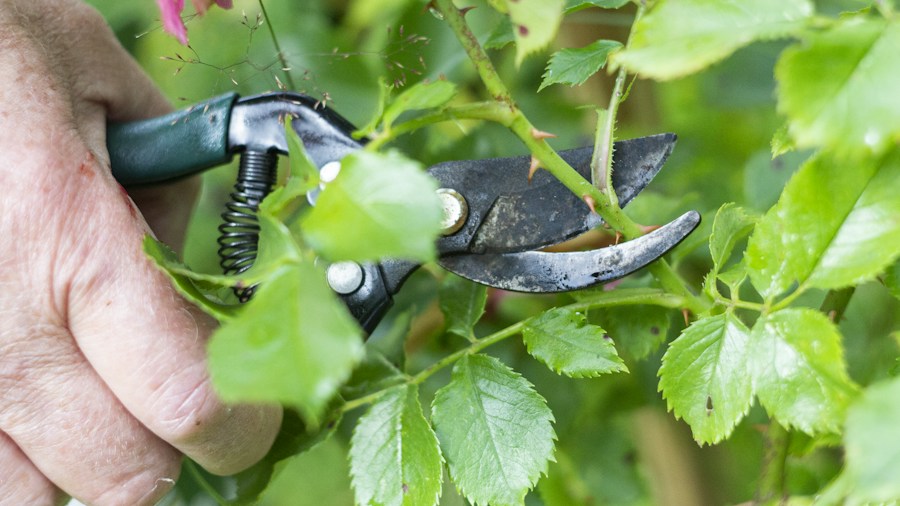
Once your plant has acclimated to its brighter location, use sharp houseplant pruning snips to remove the leggy stems. Cut just below a leaf node, where new, healthier growth will emerge. This targeted pruning encourages the plant to branch out and develop a fuller, more attractive shape.
Important: never remove more than one-third of your plant at once. Aggressive pruning combined with seasonal stress can cause further damage. Work gradually and thoughtfully about the final shape you want to create. As you prune, those cuttings can actually be propagated into new plants, giving you a bonus way to expand your collection.
Step 3: Implement Regular Plant Rotation
Moving forward, establish a routine of rotating your houseplants weekly. This simple practice ensures every side of the plant receives equal light exposure, promoting symmetrical, compact growth rather than the one-sided stretching that causes legginess. Using a plant caddy or rolling stand makes this task much easier and protects your floors from water damage.
Plant rotation is especially valuable during fall and winter when natural light is limited and directional. This habit prevents future leggy growth and keeps your plants looking full and attractive.
Step 4: Monitor Light Levels Consistently
As part of your September houseplant care routine, regularly assess whether your plants are receiving adequate light. Position plants in the brightest available spot in your home, prioritizing windows with good southern or western exposure if possible. If natural light remains insufficient despite repositioning, grow lights are an affordable investment that pays dividends in plant health.
Step 5: Adjust Your Watering and Feeding
Stressed, leggy plants have different water and nutrient needs than healthy, compact ones. Reduce watering frequency slightly as growth slows in fall, allowing the soil to dry out a bit more between waterings. Overwatering a struggling plant invites root rot. Similarly, ease off fertilizing until you see signs of new, healthy growth emerging from your pruning cuts.
Step 6: Create the Right Environmental Conditions
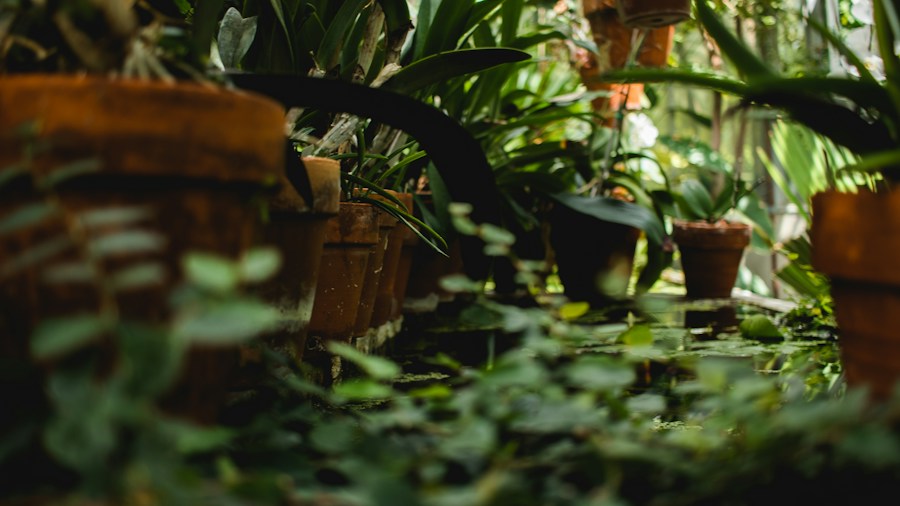
Beyond light, fall houseplant success depends on managing temperature and humidity. Keep indoor temperatures consistent and away from heating vents or cold drafts. Many homes become drier as heating systems activate, so consider grouping plants together to boost humidity or misting them occasionally.
Step 7: Plan Ahead for Next Year
Once your plant recovers, maintain it in its optimal location year-round. Choose houseplants suited to your home’s light conditions before legginess becomes a problem. If you love certain plants that need more light than your space provides, commit to using a grow light from the start rather than battling the problem later.
Recovery from leggy growth takes time, so be patient as your houseplant develops new, compact foliage. With consistent light, proper pruning, and strategic rotation, your indoor garden will be thriving and beautiful through the darkest months ahead.












Write Your Review
No reviews yet. Be the first to share your experience!