

A recent graduation ceremony at a major technical institute in Las Vegas highlighted a significant milestone in the skilled trades workforce. Ninety-two newly certified HVAC technicians completed their training alongside plumbing and electrical graduates, representing part of a larger push to fill a critical gap in the nation’s service industry.
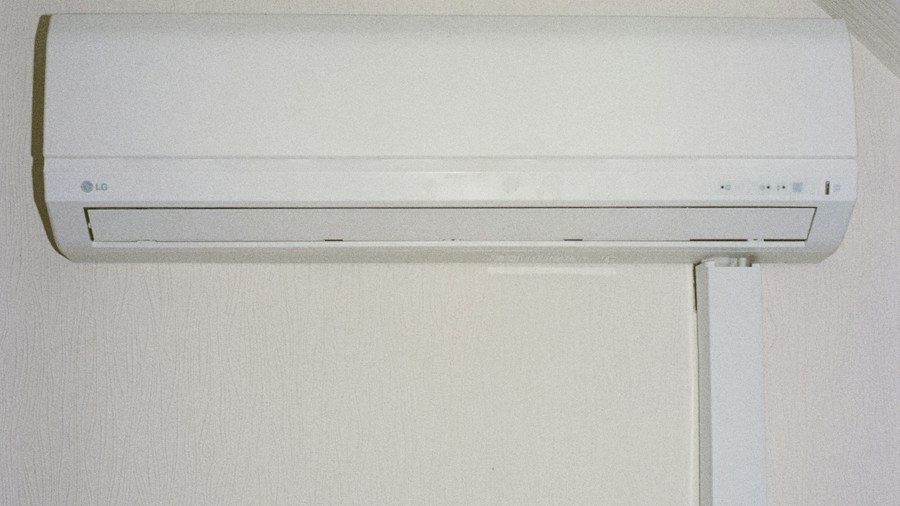
The graduating class of 180 students finished their final weeks with hands-on projects that mirrored real-world conditions. HVAC students worked on mini-split system installations within the campus building itself, gaining practical experience they would otherwise need years to accumulate. Electrical students wired conduit and power systems for campus facilities, while plumbing graduates completed installations serving the entire building. This approach ensures that new technicians enter the workforce with genuine field experience rather than classroom knowledge alone.
Why the Shortage Matters to Homeowners
The United States faces a substantial skilled trades shortage. By 2030, an estimated 2.1 million positions in the trades could remain unfilled, according to recent labor forecasts. This shortage directly impacts homeowners seeking HVAC repairs and installations. When technicians are scarce, wait times extend, emergency service costs rise, and quality can suffer as companies rush to meet demand.
The Las Vegas region has particular pressure to fill these roles. Local employers are so eager to hire qualified technicians that seventeen members of this graduating class had already secured jobs before completing their coursework. This rapid placement reflects genuine workforce need and suggests that trained professionals can expect steady employment and advancement opportunities.
What Newly Trained Technicians Bring to Your Community
Fresh graduates enter the field with modern training aligned to current industry standards. The program emphasizes hands-on skills in contemporary HVAC systems, energy-efficient technologies, and proper installation techniques. One graduate noted that choosing this path offered not only job stability and consistent income, but also the satisfaction of performing essential work that communities depend on.
The training institute serving Las Vegas operates with flexible scheduling to accommodate working adults, offering classes during morning, evening, and weekend hours. Certification programs run between twelve and sixteen weeks with classes starting monthly. This accessibility helps people transition into the trades more readily, accelerating the flow of new talent into the workforce.
Long-Term Implications for HVAC Service

The pipeline of newly trained technicians may eventually ease some of the pressure homeowners face when seeking service. As more graduates enter regional employment markets, competition for customers typically increases, which can improve service quality and pricing options. However, the national shortage remains severe enough that demand will likely absorb new workers quickly.
Campus directors emphasize that this graduating class is equipped with more than technical skills. Students developed work ethic, professionalism, and problem-solving abilities through their training. These attributes matter when a technician arrives at your home to diagnose a complex HVAC issue or install a new system. Professional conduct and technical competency go hand-in-hand.
For homeowners considering HVAC work, understanding the business fundamentals behind HVAC service quality can help you choose reliable contractors. Graduates from structured training programs often work for established companies that invest in ongoing education and customer service standards.
How This Affects You Today
The immediate takeaway is straightforward: skilled technicians are entering your market. If you have been delaying HVAC maintenance, repair, or replacement, now may be a good time to act. As new graduates take on entry-level positions, they develop expertise under supervision, eventually becoming the experienced professionals homeowners rely on for complex jobs.
The trades shortage means that trained technicians command respect and fair compensation, which often translates to better job performance and commitment. A technician choosing this career for its stability and income potential tends to take pride in the work.
Las Vegas is just one region benefiting from this influx of trained workers. Similar training programs operate nationwide, though the shortage remains ahead of supply in most markets. Whether you need a routine filter replacement or a complete system overhaul, having access to properly trained technicians improves your chances of receiving quality service and reliable advice about your home’s heating and cooling needs.











Write Your Review
No reviews yet. Be the first to share your experience!