

The Open Office Experiment Is Over, and Data Shows Why It Failed
For decades, companies embraced open office design as the future of work. Large rooms with minimal walls, shared desks, and collaborative zones promised increased productivity and team connectivity. But recent research reveals a troubling reality: open offices are not delivering on their promises, and workspace usage data tells the real story.
One consulting firm invested 18 months designing what they believed would be the perfect office layout. Within six months of moving in, they completely removed the setup. This stark reversal signals a broader truth that workplace design experts are now openly acknowledging: the open office was built for a working style that no longer exists.
The Numbers Don’t Lie: Focus Spaces vs. Collaborative Zones
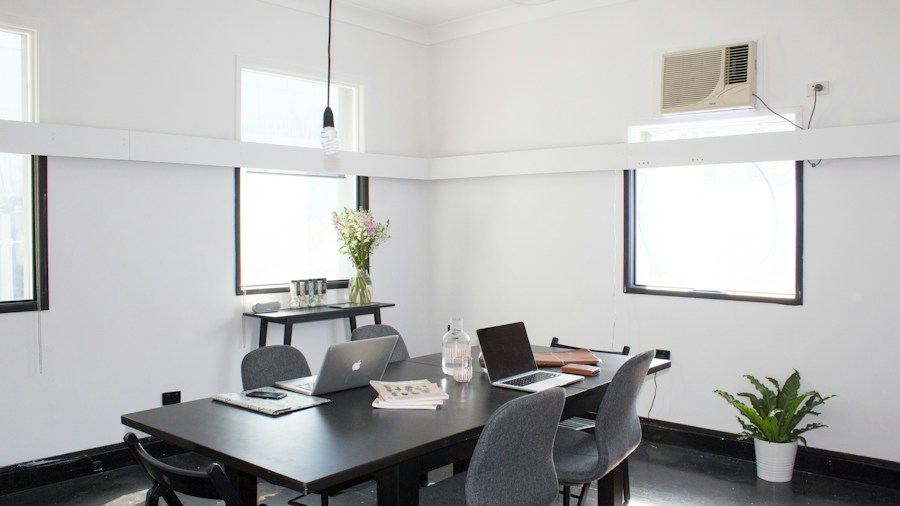
Performance data from modern offices paints a stark picture. Dedicated focus spaces are being used 56 to 57 percent of the time, while open collaborative areas sit nearly empty at 25 to 30 percent utilization. This gap reveals something critical: workers aren’t the problem. The spaces themselves are failing to meet actual work needs.
The disconnect suggests that companies overinvested in open collaboration at the expense of quiet, concentrated work areas. As jobs increasingly demand deep focus, video calls, and individual project work, sprawling open floors become counterproductive. Interruptions, noise, and lack of privacy drain energy and focus, making it harder for employees to accomplish their tasks.
What’s Really Driving Office Demand Now
The reason employees actually come to the office has little to do with ping pong tables or casual seating areas. Instead, workers value spaces designed for specific purposes: private booths for focused work, quiet zones for concentration, and designated areas for intentional collaboration.
This shift is reshaping how companies think about workspace entirely. AI-driven companies, for instance, are redesigning their offices around the specific demands of their work, signaling a broader industry reset. The office is no longer a one-size-fits-all social hub, but rather a performance system designed to support different types of work.
For home office shoppers, this trend has direct relevance. As foldable workspace solutions gain popularity, buyers are recognizing the value of flexible, multipurpose environments that adapt to different tasks. The same principle applies: design your space for the actual work you do, not an idealized fantasy of how work should happen.
Environmental Factors Quietly Impact Performance
Beyond layout, workplace science is uncovering hidden performance drains. CO2 levels in poorly ventilated offices, for example, have a measurable effect on afternoon productivity. High carbon dioxide concentrations impair decision-making and focus without most workers even realizing it’s happening.
This hidden factor explains why some offices feel draining while others feel energizing, even when the furniture and layout are similar. Proper ventilation, air quality, and environmental controls are now recognized as essential performance tools, not luxuries. Home office workers can apply the same principle by ensuring adequate ventilation and considering air quality in their workspace setup.
Return-to-Office Mandates: What Actually Works
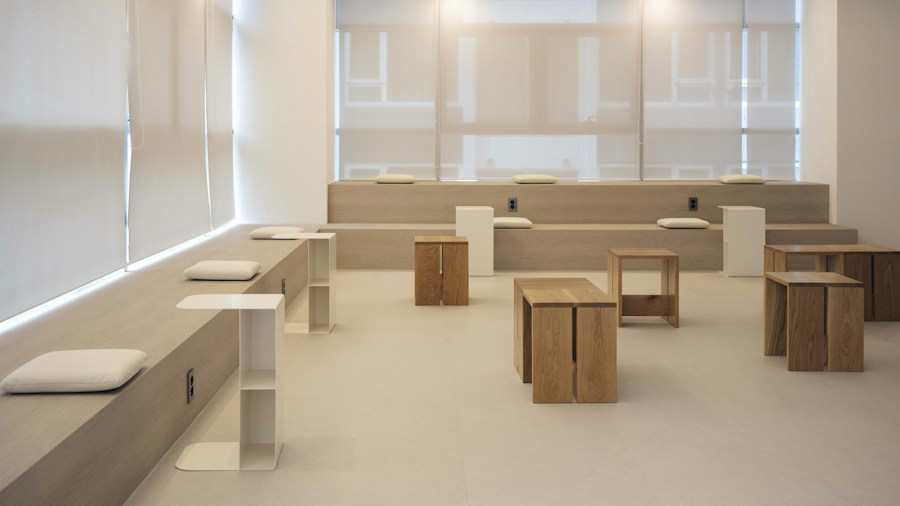
Many companies have struggled with return-to-office policies that feel arbitrary or punitive to employees. The research suggests that mandates work only when they’re tied to a clear purpose: bring people together for specific collaborative work, training, or relationship-building that requires in-person interaction.
Generic “come in three days a week” policies backfire when the office doesn’t provide spaces tailored for those activities. Employees rebel against wasted commutes and time in environments that don’t support their actual work.
For remote and hybrid workers, this insight is valuable. Investing in quality workspace accessories creates an environment where deep work becomes the default, not something you fight for. Thoughtfully designed home offices now compete directly with corporate offices for productivity and comfort.
Designing Your Workspace for Real Work
The broader lesson applies whether you’re setting up a home office or evaluating your company’s workspace: design for the actual work that happens, not for an idealized vision of collaboration.
This means creating zones or areas for different tasks: a focused area for calls and concentration, a separate space for breaks and casual thinking, and proper lighting and environmental controls to sustain performance throughout the day. Modern workspace lighting solutions now recognize that different tasks demand different light levels and quality.
The office design revolution isn’t over. It’s shifting from a one-size-fits-all mentality to performance-based design that respects how people actually work. For shoppers building or upgrading their workspace, now is the moment to move beyond outdated office trends and invest in solutions aligned with modern work realities.











Write Your Review
No reviews yet. Be the first to share your experience!