

Understanding HomeGoods’ Furniture Pricing Strategy
HomeGoods has built a reputation as a top destination for stylish home decor and affordable furniture options. While the retailer promotes competitive pricing compared to similar stores, shoppers can unlock even deeper savings by understanding how and when the company discounts its inventory. The key lies in recognizing HomeGoods’ furniture markdown cycle, which follows a predictable pattern that savvy buyers can leverage to their advantage.
The retailer restocks its locations frequently, with some customers reporting that their local stores receive new inventory almost daily. This constant turnover creates challenges for shoppers trying to predict price drops, but it also means fresh pieces are always arriving on the sales floor. Understanding the timing of markdowns can help you decide whether to purchase an item immediately or wait for a potential discount.
The Three Month Rule for Furniture Discounts
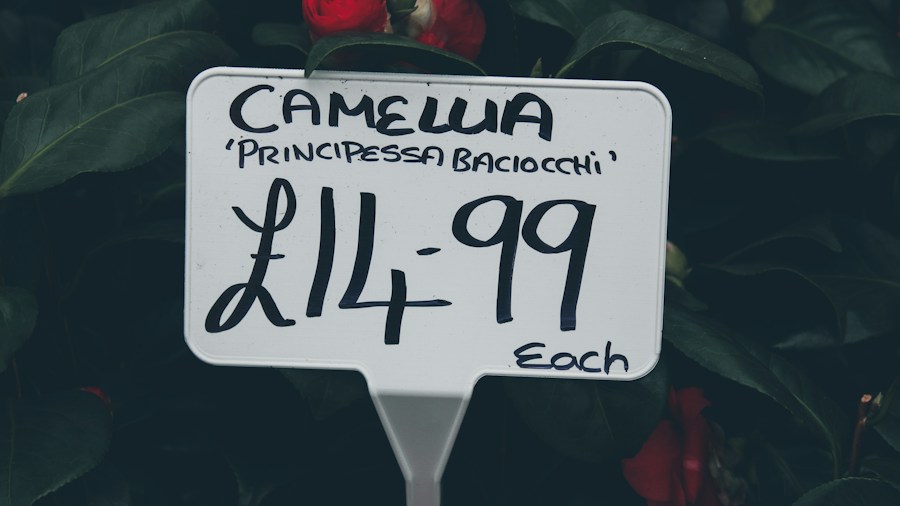
HomeGoods typically marks down furniture approximately three months after an item first arrives in stores. If a piece remains on the sales floor beyond this initial markdown, the retailer will often reduce prices further to clear space for new stock and encourage customers to make a purchase. This strategy reflects HomeGoods’ primary goal: moving inventory in and out of locations as quickly as possible.
To identify when a piece was first stocked, look at the product tag carefully. Just above or below the “Compare At” price, you’ll find four numbers representing the month and year the item entered the system. For example, a tag reading 0926 indicates the furniture was first marked for sale in September 2026. Using this code, you can estimate when that piece will likely be discounted by approximately late December of the same year.
However, waiting three months for a specific item carries a real risk: another shopper may purchase it before the markdown occurs. This means you could spend weeks searching for an alternative piece and then wait another quarter for that item to drop in price. Balancing patience with availability remains one of the biggest challenges when shopping HomeGoods furniture sales.
Finding Hidden Deals on Damaged Pieces
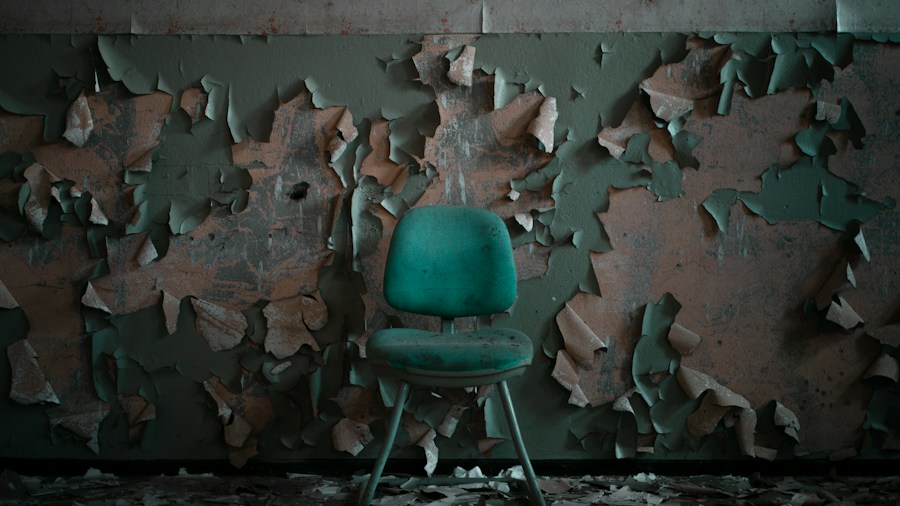
Many shoppers overlook furniture with minor cosmetic damage while browsing HomeGoods. Chipped paint, small scratches, or similar imperfections can result in additional discounts beyond the regular markdown. Store managers frequently authorize extra reductions ranging from 10 to 20 percent on these slightly damaged items, as clearing floor space takes priority over preserving pristine condition.
Don’t hesitate to point out minor damage to a manager and ask about additional discounts. The worst outcome is hearing no, and many shoppers successfully negotiate better prices using this approach. Since HomeGoods sources products from artisans and manufacturers around the world, sometimes including vendors clearing seasonal inventory or closing operations, quality varies significantly across pieces.
Quality Considerations and Style Durability
Before committing to any discounted furniture purchase, conduct research on the specific piece and current design trends. Some items end up in the clearance section because they’ve become outdated rather than due to damage or overstock. Purchasing trendy pieces that are already fading from style means your new furniture could age your home’s interior within months.
That said, current design movements frequently cycle back into popularity. Boucle furniture is making a comeback with bold colors that appeal to modern decorators, while historic straw marquetry furniture debuts in new designs for contemporary spaces. Staying informed about returning trends helps you identify clearance pieces that will feel fresh rather than dated.
When evaluating discounted furniture, examine construction quality, materials, and whether the style aligns with your home’s aesthetic for the long term. A heavily reduced sofa might represent an excellent value, or it might become a design regret if the trend passes or construction proves inadequate.
Maximizing Your HomeGoods Furniture Shopping Strategy
Smart HomeGoods shoppers use multiple tactics to find the best furniture deals. Check product tags regularly to track how long items have been in stock, look beyond pristine pieces to find damage-related discounts, and stay updated on design trends that influence long term style satisfaction. Designer collaborations also bring fresh furniture lines to HomeGoods, giving you new options as you search for the perfect piece.
The combination of frequent restocking, predictable markdown timing, and occasional damage discounts creates multiple opportunities to save on quality furniture. By understanding these insider strategies, you can make more informed purchasing decisions and build a beautiful home on your budget.










Write Your Review
No reviews yet. Be the first to share your experience!