

Why Fall is Prime Time for Attracting Owls to Your Yard
As autumn arrives and temperatures drop, backyard owls begin searching for winter shelter and spring nesting territories. Across the United States, 19 distinct owl species inhabit residential landscapes, from eastern screech owls to barn owls. By making intentional adjustments to your garden design now, you can turn your outdoor space into a wildlife sanctuary that provides natural, chemical-free pest control through the colder months ahead.
Unlike hawks that build their own nests, owls historically relied on tree hollows, abandoned bird nests, and rock crevices for shelter. Today, homeowners can bridge this gap by installing purpose-built nesting boxes on mature trees. Success depends on selecting the right box size for your local species and mounting it at the proper height and orientation.
Creating Safe Shelter: The Foundation of Owl-Friendly Gardens
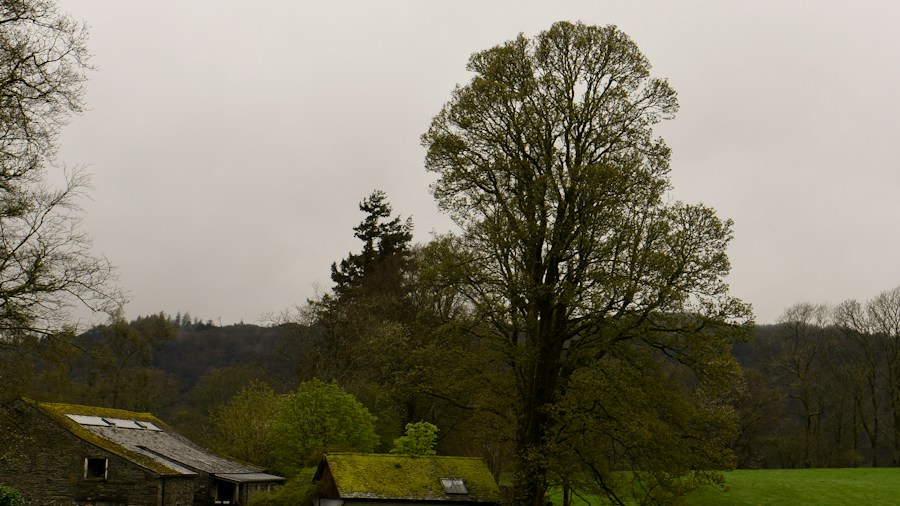
The first step in attracting owls is providing appropriate roosting and nesting habitat. For smaller properties, compact nesting boxes designed specifically for screech owls or saw-whet owls work well when mounted 10 to 15 feet high on a tree trunk or sturdy post, facing away from prevailing winter winds. Positioning matters greatly: the entrance should align with branches that allow birds to enter and exit safely without obstruction.
Beyond artificial boxes, preserving natural woodland features is equally important. Dead tree snags (standing trees that have died naturally and begun decomposing) create invaluable roosting spots and hunting perches as fall foliage disappears. During your seasonal yard cleanup, consider leaving safe, non-hazardous dead wood intact rather than removing it entirely. These hollowed branches offer shelter while the exposed perches give owls excellent vantage points for spotting prey below.
When planning your autumn garden layout, think about overall tree density. Yards with abundant mature trees provide multiple roosting options and natural protection from wind and cold. This creates the kind of quiet, sheltered environment that appeals to nocturnal hunters establishing winter territories.
Controlling Light Pollution to Invite Nocturnal Visitors
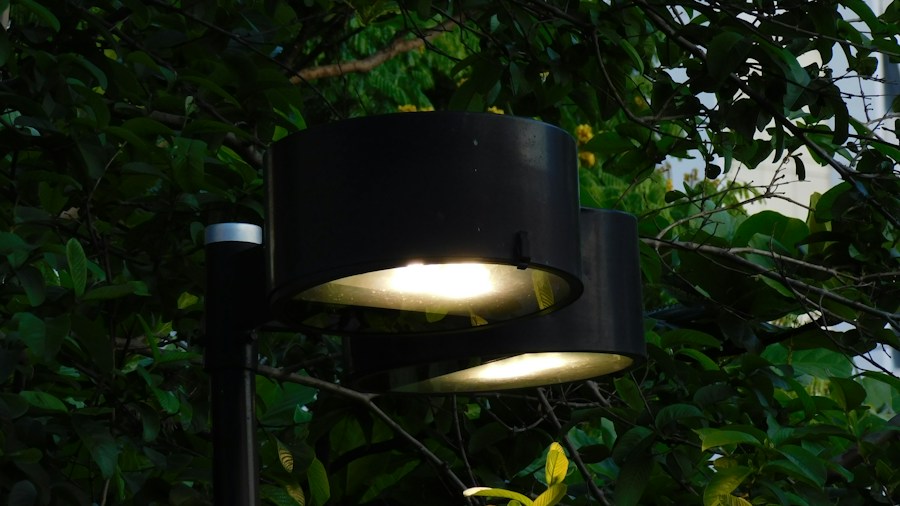
Owls possess exceptional night vision that allows them to navigate dark forests and pinpoint prey in dense cover. Exterior lights create artificial glare that blinds these sensitive hunters and deters them from visiting your property. To make your garden owl-friendly, minimize unnecessary outdoor lighting, particularly during evening hours when owls are most active.
If you need illumination for security or practical reasons, consider redesigning your approach when planning garden improvements this fall. Swap standard white and blue-toned LED bulbs for warm white varieties that emit a soft amber glow far less disruptive to avian vision. Install fully shielded fixtures that direct light downward onto pathways rather than scattering it across tree canopies. Motion sensors and smart timers ensure illumination activates only when needed, maintaining both safety and darkness for wildlife.
Creating Abundant Food Sources Through Strategic Planting
An adult owl or breeding pair can consume hundreds of rodents in a single season, providing unmatched natural pest control. Rather than relying on chemical rodenticides that poison owls through contaminated prey, create a rodent-friendly ecosystem by intentionally maintaining wild zones in discreet garden corners.
Leave brush piles, tall native ornamental grasses, and accumulated leaf litter undisturbed. Stack firewood neatly where mice and voles find shelter, or create deadwood garden features that add rustic structure while supporting small mammal populations. These wild zones become prime foraging grounds for nocturnal hunters and represent an eco-friendly alternative to traditional yard cleanup methods.
Avoid chemical rodenticides completely. Owls that consume poisoned rodents will be poisoned themselves, creating a serious threat to local predator populations. Instead, focus on sustainable garden practices that support the entire ecosystem while attracting beneficial wildlife through natural means.
Strategic Perching and Hunting Support
Position hunting perches near wild zones to help owls listen and locate prey more effectively. Bare branches created by fall leaf drop are ideal natural perches, but you can enhance these by strategically pruning trees to maintain clear sightlines from elevated positions down to ground cover.
Consider how your garden’s structural elements support hunting behavior. Open ground beneath trees, combined with dense ground cover in wild corners, creates optimal conditions for owls to spot and catch rodents. Smart garden design integrates aesthetics with wildlife function, transforming your outdoor space into a multifunctional sanctuary.
Taking Action This Fall
Attracting owls requires patience and a commitment to wildlife-friendly practices. The changes you make now in fall will establish your garden as an attractive refuge precisely when owls are most actively seeking winter territories. Whether you install nesting boxes, preserve natural dead wood, minimize artificial lighting, or create rodent habitat, each step contributes to a healthier, more balanced outdoor ecosystem that benefits both you and local wildlife populations.









Write Your Review
No reviews yet. Be the first to share your experience!