

The minimalist bathroom aesthetic is no longer confined to design magazines and celebrity homes. An emerging trend toward frameless, curtain-free showers is reshaping how homeowners think about bathroom design, storage, and daily maintenance. Often referred to as the “invisible shower” or wet room concept, this approach eliminates traditional shower curtains and enclosures in favor of open, barrier-free designs that create a spa-like atmosphere.
What Is the Invisible Shower Trend?
The invisible shower movement centers on removing visual clutter from bathrooms by eliminating not just shower curtains, but also hardware, plumbing fixtures, and any elements that interrupt sightlines. The result is a seamless, open space that resembles a luxury hotel or spa rather than a functional bathroom. High-profile examples of this design choice have recently gained attention on social media, showcasing sleek, minimalist bathrooms with frameless glass shower walls and uninterrupted floor-to-ceiling design.
The appeal is straightforward: without visual barriers, bathrooms feel larger, brighter, and more tranquil. Light flows freely throughout the space, and the design focuses attention on high-impact elements like premium finishes and architectural details rather than practical necessities like shower curtain rods and storage solutions.
Key Components of the Invisible Shower Design
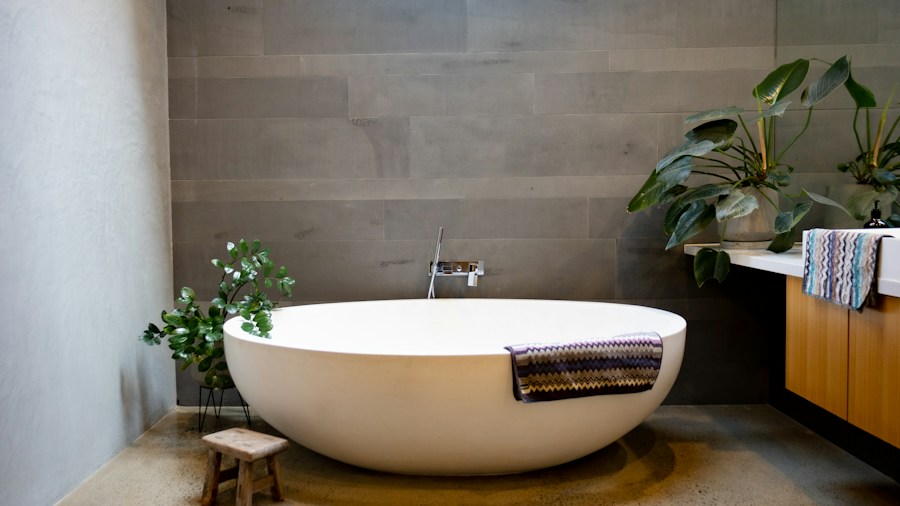
A true wet room represents the most complete version of this trend. It features no vertical barriers between the shower area and the rest of the bathroom, no raised shower pan, and seamless transitions that allow water to flow across an entire floor. However, wet rooms require significant space and considerable maintenance effort, as they demand more frequent and thorough cleaning than traditional showers.
For buyers who want a curtain-free aesthetic without committing to a full wet room, walk-in showers with frameless glass walls offer a practical middle ground. Pairing these with minimal shower trays and large-format floor and wall tiles creates an open, airy appearance while maintaining easier maintenance than a true wet room.
Making the Invisible Shower Work in Your Bathroom
Before abandoning your curtain, understand the practical implications. Wet rooms demand extensive upkeep because water exposure affects every surface. Homeowners must implement superior drainage, regular sealing, and consistent cleaning protocols. Bathroom size matters considerably: larger spaces naturally accommodate borderless designs, while smaller bathrooms may look cramped without the visual separation that traditional curtains or enclosures provide.
The monochromatic approach strengthens the minimalist effect. Using neutral tones like white, cream, and gray throughout the walls, flooring, and fixtures creates visual cohesion and amplifies the sense of calm and spaciousness. Continuous large-format tiling, particularly when the same material runs from floor to wall, reinforces the seamless aesthetic central to this design philosophy.
Budget-Friendly Alternatives to Full Renovation
Complete bathroom renovations are expensive and disruptive. Fortunately, incremental changes deliver noticeable results. Upgrading to a floating vanity exposes more floor area and immediately lightens the visual weight of the space. Wall-mounted shower valves and sink taps conceal most plumbing, contributing to the streamlined look without requiring extensive demolition.
Hardware choices matter more than many homeowners realize. Replacing traditional handles and knobs with touch-latch or push-to-open options creates cleaner sight lines. These subtle modifications, combined with coordinated finishes and accessories, establish cohesion throughout the bathroom. Interestingly, as shower curtain trends shift toward natural, calming designs, consumers increasingly recognize that even traditional curtain choices align with broader minimalist principles when executed thoughtfully.
Storage Strategy Is Essential
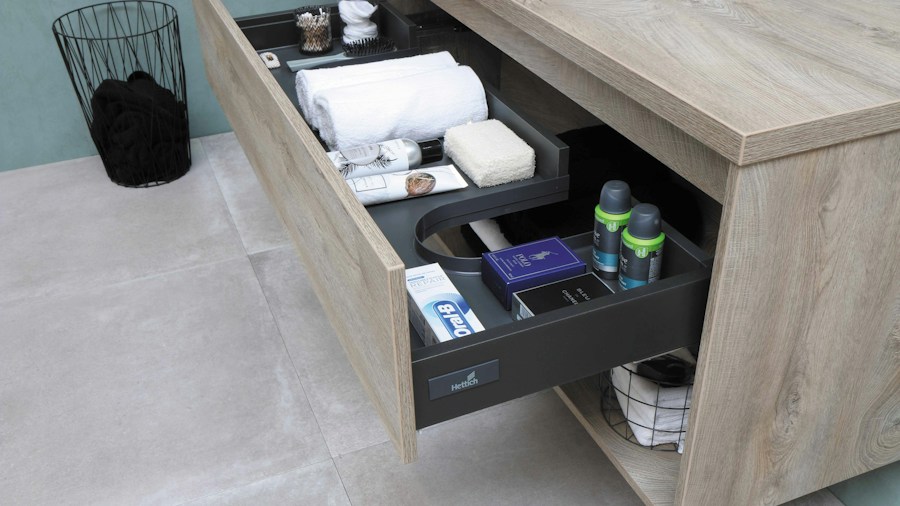
The invisible bathroom aesthetic depends entirely on effective hidden storage. Without closed cabinetry and concealed shelving, the clutter-free vision collapses. Strategic storage planning becomes non-negotiable. Consider built-in niches, recessed shelving, and custom cabinetry that maintains visual continuity while accommodating daily necessities and toiletries.
This storage-first approach actually encourages intentional consumption and regular organization, benefiting both aesthetics and functionality. Many homeowners find that committing to minimalist bathroom design naturally leads to reducing unnecessary products and accessories, resulting in easier maintenance over time.
Is This Trend Right for You?
The invisible shower aesthetic offers genuine benefits: enhanced light, increased perceived space, and a serene environment. However, success requires honest assessment of your bathroom size, maintenance commitment, and budget. Those with limited square footage, busy schedules, or modest renovation budgets may find that updated traditional solutions, like affordable sheer curtains and minimalist enclosures, deliver similar visual benefits with less complexity.
The broader lesson extends beyond showers: thoughtful design choices that reduce visual noise and prioritize quality over quantity create bathrooms that feel both luxurious and livable. Whether you embrace the full invisible shower concept or simply adopt select minimalist elements, this trend invites homeowners to reconsider what truly belongs in their personal spaces.









Write Your Review
No reviews yet. Be the first to share your experience!