

If you’ve held off on buying a new mattress because you thought spending over $500 was unavoidable, recent testing data changes that equation entirely. Budget mattress brands are now delivering comfort and support that rival beds costing three times as much, and Labor Day sales are making them even more accessible to savvy shoppers.
What’s Changed in the Budget Mattress Market
The budget mattress category has undergone a quiet revolution. What once meant choosing between rock-hard support or a saggy, uncomfortable surface is no longer the reality. Affordable foam mattresses are now engineered with better materials, improved construction, and thoughtful design that addresses real sleep problems.
Laboratory testing reveals that mattresses under $500 for a queen size are keeping sleepers cooler than they did just a few years ago. The Siena Signature and SweetNight CoolNest both demonstrate that budget pricing no longer means accepting a bed that traps heat and leaves you sweating through the night. These models employ more advanced foam formulations that breathe better than the cheap synthetic materials that gave budget beds their overheating reputation.
Beyond temperature regulation, today’s affordable options provide genuine pressure relief and spinal support. The Siena Signature delivers exceptional motion isolation and edge support, making it competitive with luxury brands for stomach and back sleepers. Meanwhile, the SweetNight CoolNest excels at cushioning, offering the kind of pressure relief that side sleepers especially need to prevent shoulder and hip pain. Budget options are proving themselves in rigorous side sleeper tests, often outperforming mid-range alternatives.
Finding the Right Feel Without Overspending

A common misconception is that budget mattresses come in only one firmness level. Today’s affordable brands offer enough variety that shoppers can find a feel suited to their sleep position and preferences. Whether you need a firmer mattress for back support or a plusher surface for side sleeping comfort, options exist within the under-$500 price point.
This variety matters because sleep position directly affects mattress choice. A mattress that works perfectly for a stomach sleeper might leave a side sleeper with aching joints. Rather than compromise on sleep quality to save money, shoppers can now buy a budget bed specifically engineered for their needs.
Budget Beds Work for Couples Too
Another outdated assumption is that cheap mattresses suit only single sleepers or young adults in starter apartments. Modern budget options prove this wrong. Select affordable models provide excellent motion isolation, meaning one partner’s tossing and turning won’t disrupt the other’s sleep. Strong edge support also ensures both partners can use the full width of the bed without either feeling like they’re rolling toward the center.
For couples saving money for other priorities, a budget mattress no longer means sacrificing sleep quality. Brands like EGOHOME deliver the stability and motion control that couples specifically require.
Where Budget Beds Fall Short
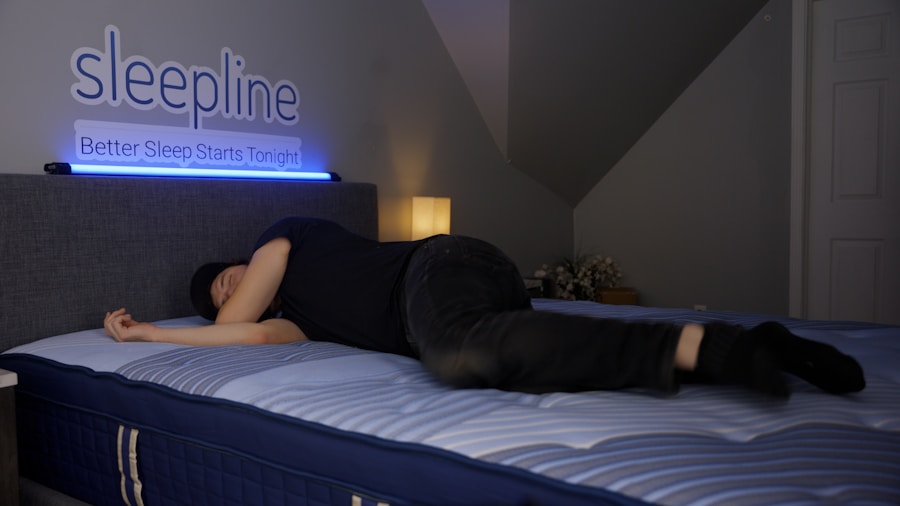
Understanding the tradeoffs is equally important. Premium mattresses offer specialist features that budget models simply cannot match at that price point. Adjustable comfort systems, targeted support zones, smart cooling technology, and specialty materials like natural latex or organic fabrics all require investment that pushes prices well above $500.
Durability represents the biggest long-term consideration. Budget mattresses typically last three to five years, while premium options often perform for 10 years or more. The upfront savings can be offset by more frequent replacement cycles. However, for buyers willing to refresh their mattress every few years, this may not be a deciding factor. Premium mattress sales do offer alternatives if longer lifespan is a priority.
What This Means for Your Labor Day Shopping
The convergence of better engineering, improved materials, and competitive pricing creates a genuine shift in mattress buying. Shoppers no longer face a choice between quality and affordability. You can have both, and Labor Day sales amplify this opportunity by making already-affordable beds even cheaper.
The budget mattress market continues expanding as premium materials become more accessible to manufacturers working at smaller price points. Phase-change cooling technology, better foam formulations, and improved spring systems are trickling down to affordable brands. Proper mattress maintenance also helps budget beds last longer, making them an even smarter purchase.
Rising production costs could eventually pressure budget prices upward, potentially reshaping the market landscape. For now, though, buying a comfortable, well-designed mattress for under $500 is achievable and sensible. Labor Day presents an ideal window to purchase before potential price increases hit the market.









Write Your Review
No reviews yet. Be the first to share your experience!