

The way homes are lit is undergoing a significant transformation. Designers and manufacturers are rethinking what a light fixture means, moving beyond traditional wall-mounted or ceiling-based solutions toward innovative alternatives that prioritize flexibility, sustainability, and smart technology. For shoppers evaluating lighting options, understanding these emerging trends can help you make better choices for your space.
Why Traditional Light Fixtures No Longer Work for Modern Homes
As living spaces become smaller and more multifunctional, conventional lighting installations often feel outdated. A standard wall fixture or ceiling mount assumes permanent placement and doesn’t adapt to changing layouts or personal preferences. Younger consumers in particular are demanding lighting that moves with them, responds to their activities, and aligns with their values around sustainability and technological control.
This shift has prompted designers to explore alternatives. Inflatable lighting systems now offer professional-quality illumination in a portable package, making them useful not just for creative professionals but also for renters and homeowners who frequently reorganize their spaces. Meanwhile, emerging wall lamp designs are integrating light directly into architectural elements, eliminating the clunky appearance of traditional fixtures.
Portable and Adaptive Lighting Solutions
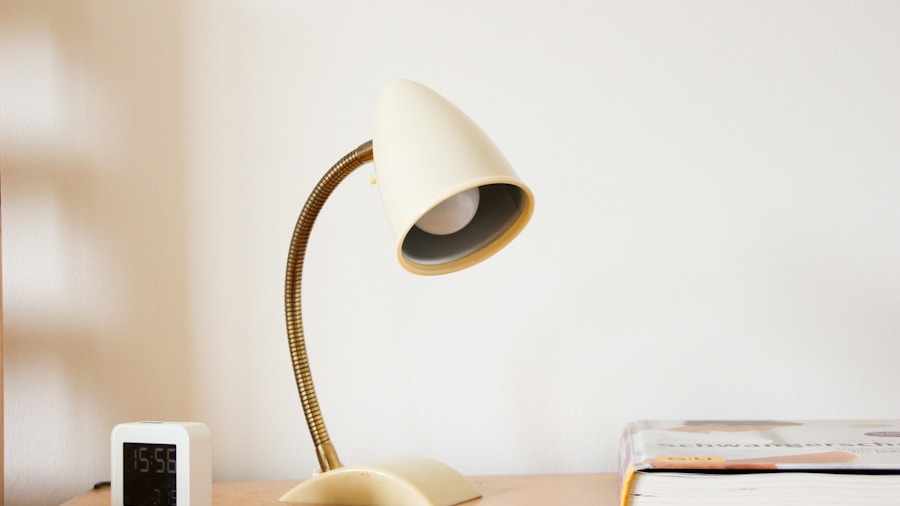
One major development is the rise of lightweight, mobile lighting. Contemporary inflatable systems deliver strong, consistent brightness while remaining easy to transport and deploy. These fixtures often feature advanced color control technology, allowing users to shift between cool whites for focused work and warm tones for relaxation. Wireless control adds another layer of convenience, letting you adjust settings in real time without leaving your seat.
The underlying design principle is simple: lighting should serve you, not the other way around. Rather than working around a fixed fixture installed years ago, modern solutions adapt to your current needs. This flexibility extends to form as well. Some innovative designs use gravity and material behavior to create soft, organic shapes that feel more like sculptural objects than industrial equipment. The absence of visible cables or mounting hardware makes these pieces blend seamlessly into contemporary interiors.
Smart Technology and Responsive Lighting
Beyond portability, intelligent lighting systems are becoming mainstream. Sensors now detect occupancy and ambient light levels, automatically adjusting brightness and color temperature to match your needs and time of day. This responsive approach improves energy efficiency while creating spaces that feel more intuitive and comfortable.
One forward-thinking concept proposes levitating light sources that move throughout your home rather than staying fixed to one spot. Using magnetic suspension, these systems could float to different areas as you work, eat, or wind down for sleep. By supporting natural circadian rhythms, they help maintain healthy sleep patterns while reducing eye strain during focused tasks. For homeowners interested in strategic fixture upgrades, incorporating smart controls is increasingly affordable.
Integration with Building Architecture
Another emerging approach embeds lighting directly into walls and structural elements. Illuminated bricks that look identical to standard masonry when switched off represent one such innovation. These units are installed during construction, eliminating the visual clutter of wall-mounted fixtures while maintaining clean lines throughout the space. Available in finishes to match different wall tones, they work in both interior and exterior settings, casting a soft, diffused glow that enhances ambiance without drawing attention.
This architectural integration creates more refined, cohesive interiors where illumination supports the overall design language rather than standing out as a separate component. It’s a fundamental shift from decorating a room with light fixtures to building light into the room itself.
Sustainability in Light Fixture Materials

Environmental consciousness is reshaping product design across categories, and lighting is no exception. Manufacturers are increasingly using biodegradable and renewable materials. One notable example involves growing pendant lamps from mycelium, the fungal root structure, combined with willow wood. The process creates a natural composite that is fully compostable and requires no synthetic adhesives or industrial processing.
Each mycelium lamp develops its own unique texture and form during growth, embracing natural variation rather than factory uniformity. Once fully formed, the structure is fitted with minimal electrical components. This regenerative design approach demonstrates how thoughtful innovation can reduce environmental impact without sacrificing aesthetics or performance.
Similar sustainable principles apply across the lighting industry. By considering the entire lifecycle of products, from materials sourced to end-of-life disposal, designers are creating solutions that align with circular economy principles. For conscious consumers, these options offer a way to reduce household environmental impact one purchase at a time.
What This Means for Your Next Light Fixture Purchase
When shopping for lighting, consider these key factors: portability if you move frequently or like to rearrange, smart controls if you value energy efficiency and customization, and materials if sustainability matters to you. Look beyond traditional ceiling and wall fixtures toward portable systems, architectural integrations, and responsive solutions that adapt to your lifestyle. Design trends continue to evolve as manufacturers respond to consumer demands for flexibility and responsibility.
The future of home lighting prioritizes innovation that serves real human needs: creating comfortable, adaptable spaces without unnecessary bulk or waste. Whether you’re renovating an entire home or upgrading a single room, these emerging approaches offer practical alternatives to traditional fixtures that may better align with how you actually live.







Write Your Review
No reviews yet. Be the first to share your experience!