

Why Your Pillow Turns Yellow So Quickly
If you’ve noticed yellow stains appearing on your pillow despite regular washing, you’re not alone. The culprit is likely sitting right on top of your head: your hair. Natural oils from your scalp, combined with residue from hair products and accumulated dust and dirt, transfer onto your pillow every single night. These substances build up over time and create those unsightly yellow marks that seem to reappear almost immediately after you wash your pillow.
The issue gets worse when you use heavy conditioners, hair masks, or styling products before bed. According to infection prevention experts, this product buildup not only discolors your pillow but also transfers back onto your face while you sleep, potentially causing skin irritation, itchiness, and breakouts.
How to Prevent Yellow Stains Before They Start

Shift Your Shower Routine to Evening
One of the most effective ways to stop yellow stains is to move your shower from morning to night. An evening wash removes the day’s accumulation of oil, sweat, and environmental pollutants from your hair and skin before they transfer to your pillow. This simple timing adjustment can dramatically reduce stain formation.
Dry Your Hair Completely
After your evening shower, make sure your hair is thoroughly dry before bed. Moisture trapped in pillow fabric can lead to mold growth, creating a different set of problems. Give your hair enough time to dry naturally or use a blow dryer to ensure no dampness remains.
Skip Heavy Hair Products at Night
If you must use conditioners, hair masks, or leave-in treatments, try applying them in the morning instead of before bed. The longer these products sit on your hair before sleep, the more likely they are to transfer onto your pillow. When you’re shopping for quality pillows that resist staining, also consider their material, as some fabrics are more prone to absorbing oils than others.
Wear a Bonnet or Protective Head Covering
A simple sleep bonnet creates a barrier between your hair and pillow, keeping all the oils and products off the fabric. This is one of the most reliable ways to protect your pillow while still using your favorite hair care products.
Removing Stains That Have Already Appeared
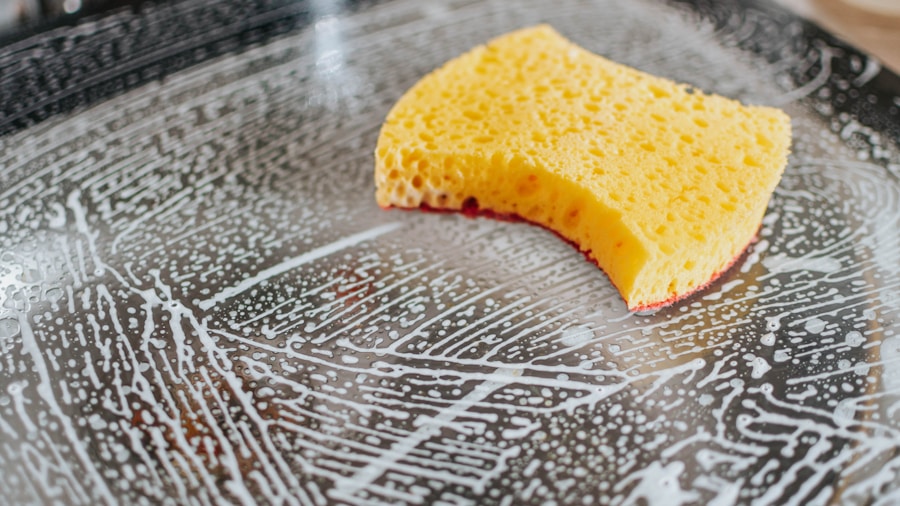
Use Dish Soap as a Pretreatment
When yellow stains do appear, you likely already have the perfect solution in your kitchen: dish soap. Designed to cut through grease, dish soap is effective at breaking down the oil-based stains that accumulate on pillows. Apply it directly to the stain using a soft brush or old toothbrush, working it gently into the fabric. Let the soap sit for about 15 minutes to penetrate the stain, then wash your pillow according to its care instructions.
Always check your pillow’s care label first, as some materials have special requirements. For memory foam or latex pillows that can’t go in the washing machine, apply the dish soap, let it sit, then use a damp cloth to gently lift away the soap residue and allow the pillow to dry completely.
Long-Term Pillow Maintenance Tips
Wash Your Pillow Regularly
Beyond treating stains, washing your pillow every 3 to 4 months keeps it fresher longer. Many pillows are machine washable, but always verify the manufacturer’s instructions first. When you’re ready to replace an old pillow, consider that today’s pillow options range widely in style and function.
Use a Pillowcase Barrier
A quality, frequently washed pillowcase provides the first line of defense. Wash your pillowcases weekly to prevent buildup from transferring to the pillow itself. Light-colored cases also make staining more visible, prompting quicker action.
Keep an Eye on Stain Progression
If stains keep returning despite your efforts, it might be time to evaluate your hair care routine more thoroughly. Are you using heavier products than necessary? Could you benefit from adjusting when you apply them? Sometimes small changes yield big results in pillow longevity.
By combining preventive measures like evening showers and protective head coverings with effective stain removal techniques, you can keep your pillows looking fresh and white for much longer. The key is starting these habits now rather than waiting for stains to become stubborn. Check out current bedding deals if you need new pillows to start fresh with these improved care strategies.











Write Your Review
No reviews yet. Be the first to share your experience!