

Summer heat can stress even the most resilient houseplants. If you’ve noticed your indoor plants are demanding water far more frequently than usual, you’re not alone. Higher temperatures, dry air from air conditioning, and intense sunlight create perfect conditions for potting soil to dry out rapidly, sometimes within a single day. However, the solution isn’t simply watering more often. In fact, overwatering during hot months can cause serious damage to your plants’ root systems.
Why Summer Makes Houseplants Extra Thirsty
During warmer months, your houseplants are actively growing and naturally require more water. But excessive drying isn’t always a sign that your plant needs more frequent watering. Instead, it often indicates that environmental conditions are pulling moisture away faster than the plant can use it. When room temperatures spike, foliage loses water through transpiration at an accelerated rate. Meanwhile, air conditioning units strip humidity from the air, compounding the problem.
A common mistake is watering the soil surface repeatedly without checking what’s happening deeper down. The top layer may appear bone dry while the lower soil remains moist. Overwatering in this scenario leads to waterlogged soil, which compacts and suffocates roots, creating conditions for root rot. Additionally, if your houseplant has experienced a growth spurt during summer, it may have become root-bound, leaving less soil to hold moisture between waterings.
5 Solutions to Reduce Your Houseplant’s Water Needs
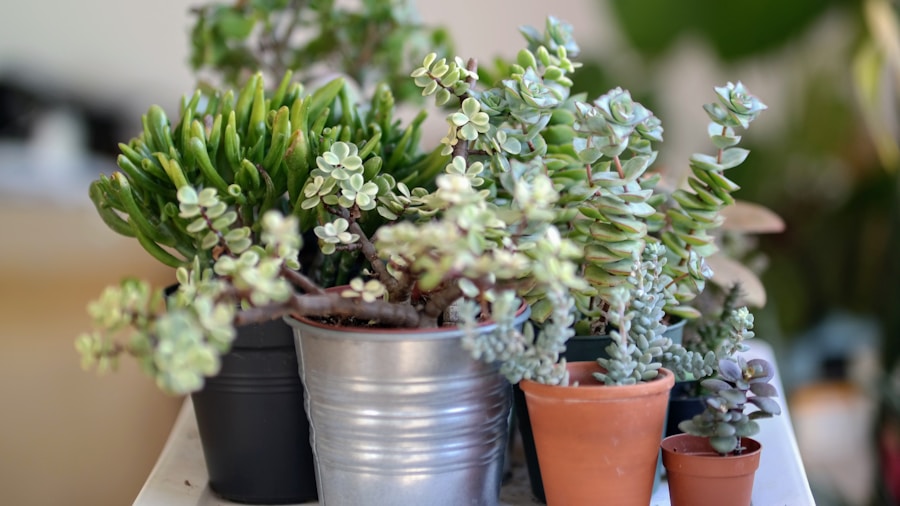
1. Move Plants Away from Direct Sunlight
One of the simplest fixes is relocating your houseplants away from direct sun during the hottest parts of summer. Even sun-loving plants benefit from partial shade during intense heat waves. Moving a plant from a south-facing window to an east or west-facing location, or using sheer curtains to filter direct rays, can dramatically slow soil drying. This also prevents heat stress symptoms like leaf scorch, wilting, and discolored foliage.
2. Increase Humidity Levels
Air conditioning is essential for comfort, but it removes moisture from the air your plants breathe. Combat this by boosting humidity around your houseplants. Place plants on pebble humidity trays filled with water, or position a portable humidifier nearby. Even grouping houseplants together creates a more humid microclimate. These simple adjustments help plants retain moisture in their foliage and reduce overall transpiration rates.
3. Repot with Moisture-Retentive Soil
If your houseplant has become root-bound or is planted in soil that drains too quickly, repotting offers a lasting solution. Choose a container one size larger than the current pot and use a high-quality potting mix designed to retain moisture while still providing drainage. Consider amending your soil with coco coir, vermiculite, or other organic materials that hold water longer. This gives the soil more capacity to sustain your plant between waterings.
4. Use Smarter Watering Techniques
How you water matters as much as when you water. Two methods work exceptionally well during hot weather. Bottom watering involves placing your pot in a saucer of water and allowing roots to absorb moisture from below, ensuring deep hydration without oversaturating the surface. Deep watering requires giving your houseplant one thorough soaking once weekly (or less frequently in extreme heat) rather than multiple shallow waterings. This approach protects soil structure and makes it more moisture-retentive over time. Alternatively, watering spikes provide gradual, consistent moisture release, keeping soil evenly hydrated without the risk of sudden waterlogging.
5. Monitor Soil Moisture Accurately
Before watering, check what’s actually happening beneath the soil surface using a moisture meter. This simple tool removes guesswork and prevents the overwatering trap. If you notice heat stress symptoms like wrinkled foliage on succulents or drooping leaves on other plants, inspect the pot’s drainage holes and gently remove the plant to check for root rot. A moisture meter also helps you understand your specific plant’s drying patterns, making you a more confident caregiver.
Additional Summer Houseplant Care Tips
Beyond moisture management, keep your houseplants healthy by cleaning leaves regularly with soft cloths or specialized dusting gloves. Clean foliage prevents pest infestations and allows better light absorption. Avoid fertilizing heavily during hot weather, as this can stress plants further. If you’re concerned about pests damaging your collection, consider reviewing spider mite prevention tips for healthy houseplants to keep your plants pest-free year-round. For displaying your collection, proper plant stands ensure adequate air circulation around your houseplants, which also helps reduce excessive moisture retention in the soil.
By adjusting your plant’s environment rather than simply increasing watering frequency, you’ll help your houseplant thrive through even the hottest summers. The goal is creating stable conditions where soil retains adequate moisture without becoming waterlogged, allowing roots to develop properly and your plants to flourish.








Write Your Review
No reviews yet. Be the first to share your experience!