
For years, printer compatibility headaches have frustrated Mac users trying to connect hardware designed exclusively for Windows or Linux systems. A developer in India recently demonstrated a breakthrough solution using artificial intelligence that could fundamentally change how consumers approach cross-platform device compatibility.
The HP Laser 1008a, a relatively unknown 2023 laser printer, presented an unusual technical challenge. When released, HP provided native drivers for Windows and Linux users, but left macOS owners without official support. The printer uses a proprietary raster language called SPL3, which no previous developer had adapted for Apple’s operating system. Kuber Mehta, the developer who tackled this problem, used Claude Code, an AI-powered coding tool from Anthropic, to create a working macOS driver from scratch.
How AI Generated a Custom Driver
The project demonstrates the practical power of generative AI tools in solving real-world technical problems that would otherwise require extensive manual development work. Mehta engaged Claude Code through a series of approximately 30 to 40 carefully crafted prompts, guiding the AI through the complex process of building printer driver functionality.
The HP Laser 1008a is actually a rebadged Samsung printer with additional complications for driver development. Unlike most printers, it does not support PostScript or PCL, the industry-standard printer languages that make cross-platform support straightforward. This technical constraint meant the solution required understanding the printer’s proprietary language and creating novel functionality rather than adapting existing code.
Mehta’s approach involved analyzing the Windows and Linux drivers, studying error messages from the printer itself, and even running HP’s rastertospl codec inside a Linux container to understand exactly how the device expects to receive print data. Each step required correcting the AI’s assumptions and providing additional context, turning the process into a collaborative problem-solving effort between human expertise and machine learning capability.
The Final Solution and What It Means
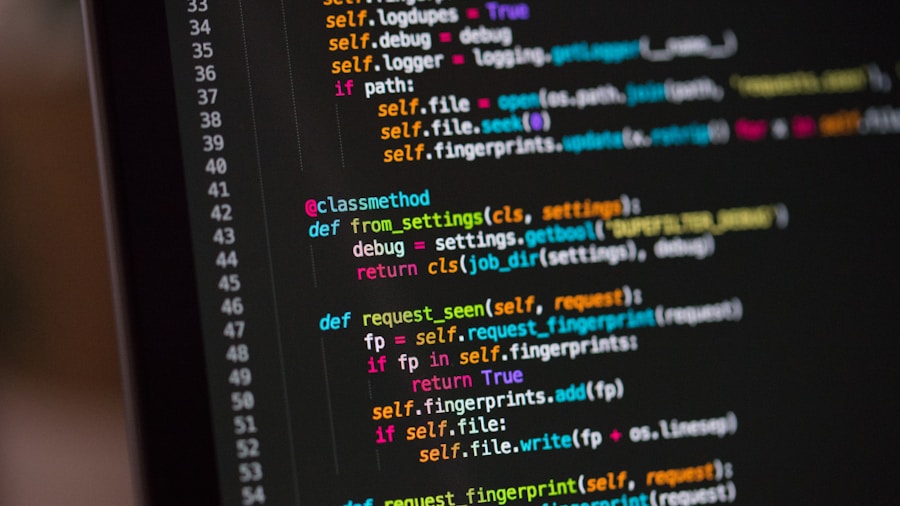
The resulting driver was released publicly on GitHub under an MIT license, making it available to anyone facing the same compatibility issue. Rather than relying on workarounds like virtual machines or remote printing solutions, Mac users with this printer model can now install native driver support directly from their terminal.
The implementation underwent refinement after the initial release, eventually becoming what Mehta describes as a tiny native IOKit helper that eliminates dependencies on Python, pyusb, and libusb. This lean approach means faster installation and lighter resource consumption on user systems. The driver builds upon SpliX, an open-source macOS printer driver package, extending its capabilities to support the SPL3 language family.
Interestingly, Mehta noted that beyond solving the immediate problem, the project taught him new details about how macOS printer drivers function. He came to the process already experienced as a developer, yet the collaborative work with AI revealed deeper understanding of Apple’s printer architecture. This educational benefit represents an underappreciated advantage of using advanced AI tools for technical projects, they can accelerate not just the completion of work but also the developer’s learning curve.
What This Means for Shoppers
For consumers, this breakthrough suggests a future where buying a printer no longer requires checking lengthy compatibility lists. Many people hesitate to purchase printers outside the mainstream brands because they worry about driver support across their household devices. When someone uses a MacBook but encounters a printer without official Apple support, they face expensive alternatives or abandoned hardware.
The successful macOS driver for the HP Laser 1008a demonstrates that AI tools can bridge these gaps quickly and effectively. As these tools become more sophisticated, hardware manufacturers may find less incentive to develop multiple OS-specific drivers when AI can generate them on demand. Some manufacturers already struggle to maintain drivers for older or less popular models, so AI-assisted solutions could extend the usable lifetime of equipment.
If you’re shopping for a printer and want to understand setup processes, it’s worth recognizing that driver support is no longer the hard barrier it once was. Even devices lacking official macOS drivers may become functional through community solutions powered by AI. This shift empowers consumers to choose equipment based on features and price rather than feeling locked into a single ecosystem.
The broader implication extends beyond printers. Whenever hardware incompatibility currently limits your purchasing options, whether for portable printer setup or other devices, AI-generated drivers could eliminate those restrictions. As development tools become more capable, the technical barriers that once made certain products seem like risky purchases should continue to lower.










Write Your Review
No reviews yet. Be the first to share your experience!