

The commercial refrigeration industry is undergoing a significant transition as manufacturers and retailers work to phase out high-impact refrigerants in favor of more environmentally friendly alternatives. Two main types of low-global warming potential (GWP) refrigerants have emerged as the primary solutions: A2L refrigerants and R-290. Understanding the differences between these options is crucial for business owners, facility managers, and anyone responsible for purchasing or maintaining commercial cooling equipment.
What Changed and Why It Matters
The U.S. Environmental Protection Agency has approved a shift toward flammable refrigerants as part of broader environmental compliance efforts. These newer refrigerants must meet strict safety standards while delivering the cooling performance that commercial food retailers and other businesses depend on. The transition is happening now, which means you may encounter these new refrigerant types when upgrading or servicing your equipment.
The core difference comes down to flammability risk and application flexibility. A2L refrigerants are classified as lower-flammability, while R-290 is a higher-flammability natural hydrocarbon. This distinction affects where and how each refrigerant can be used, what safety features are required, and ultimately, the cost and complexity of your system.
Understanding A2L Refrigerants

A2L refrigerants represent a new generation of engineered solutions designed to work across a broad spectrum of commercial refrigeration systems. These refrigerants are composed of hydrofluoroolefins (HFOs), hydrofluorocarbons (HFCs), and various blends, offering flexible performance characteristics while keeping global warming potential low.
The key advantage of A2Ls is versatility. Because they have a much higher lower flammability limit than R-290, A2L systems can operate at higher refrigerant charge levels. This means a single A2L system can handle everything from small self-contained display cases to large centralized refrigeration networks. Modern cooling systems increasingly rely on these engineered solutions to meet evolving regulatory requirements while maintaining reliability.
A2L systems do require additional safety infrastructure compared to older refrigerant technologies. Your equipment must include leak detection sensors, automatic shut-off valves, proper ventilation management, and isolated circuit design to prevent dangerous refrigerant concentration buildup. These safety features are built into compliant equipment, but they add complexity and cost compared to older systems.
Different A2L formulations are tailored to specific applications. For example, R-454A works well for systems requiring higher capacity with minimal redesign, R-454C suits applications demanding the lowest possible environmental impact with minimal system changes, and R-455A delivers maximum cooling capacity but typically requires new coil designs and more extensive system modifications.
The R-290 Alternative
R-290 is a hydrocarbon-based natural refrigerant that offers an ultra-low global warming potential rating of just 3, making it an exceptional choice from an environmental sustainability standpoint. It delivers strong energy efficiency and works reliably within simple, self-contained architectures.
The tradeoff is application scope. Because R-290 carries a higher flammability classification, safety standards limit the maximum charge in self-contained units to between 300 and 500 grams depending on equipment design. This makes R-290 ideal for smaller appliances like reach-in display cases, beverage coolers, ice machines, and ice cream freezers. Over 5 million R-290-equipped units are already installed across North America.
R-290 is also used in larger indirect systems where it cools secondary fluids like chilled water rather than directly cooling food products. These systems are more common in Europe and typically require local regulatory approval in the United States.
The significant advantage of R-290 in self-contained applications is simplicity. These units are factory-charged and sealed, requiring only a power connection for installation. Service and maintenance needs are minimal because the refrigerant remains contained throughout the unit’s life.
What This Means for Buyers and Operators
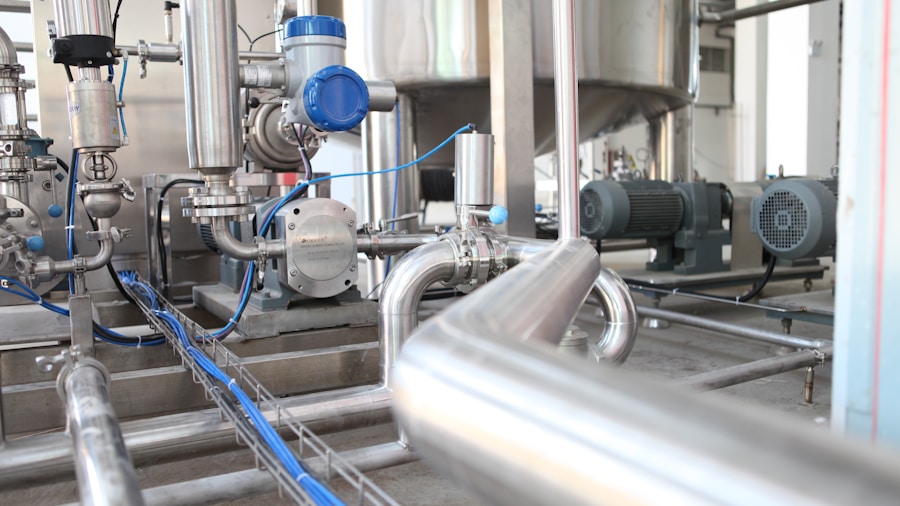
If you are planning to purchase or replace commercial refrigeration equipment, you should expect A2L or R-290 options from manufacturers. Leading HVAC and refrigeration system designs now incorporate these lower-GWP alternatives as standard offerings rather than optional upgrades.
For small self-contained units like display cases or beverage coolers, R-290 equipment offers simplicity and minimal ongoing requirements. For larger systems or multi-unit installations, A2L options provide greater flexibility and scalability, though they involve more complex safety controls and higher upfront costs.
If you currently operate equipment using older high-GWP refrigerants, begin planning your transition strategy now. New equipment installation with A2L or R-290 technology will help future-proof your operations against changing regulations.
Service and Maintenance Considerations
Technicians servicing A2L equipment must be specially trained and use only A2L-rated tools and components. The good news is that refrigerant supply chains continue to evolve as newer technologies become standard, and many modern compressors are designed to be backward-compatible with legacy systems, simplifying the transition for service providers and reducing costs in the field.
For R-290 equipment, minimal service requirements mean lower long-term maintenance costs and fewer specialized technician needs. Equipment arrives factory-sealed and ready to operate.
Understanding your options now positions you to make informed purchasing decisions that balance environmental responsibility, operational costs, and system reliability as these refrigerant transitions accelerate across the industry.










Write Your Review
No reviews yet. Be the first to share your experience!