

Interior designers across the country are making a bold move that’s changing how homeowners think about room dividers and entryways. Instead of traditional doors, more designers are turning to flowing curtains as a versatile alternative for separating spaces. This trend reflects a larger movement toward softer, more flexible home design that prioritizes both aesthetics and functionality. For shoppers considering updates to their home, understanding this shift can open up new possibilities for renovation and decoration.
Why Designers Are Moving Away from Traditional Doors
The rise of curtain room dividers stems from what design professionals call the soft architecture movement. This design philosophy emphasizes rounded edges, flowing materials, and gentle transitions instead of hard architectural elements. Curtains fit perfectly into this trend because they introduce softness, texture, and movement to spaces in ways that rigid doors cannot. Designers report that drapery allows them to create visual separation while maintaining an open, airy feeling in homes.
Creating separation with curtains also solves practical problems. In smaller apartments, studios, and open-concept homes, installing a door might feel heavy or take up valuable space. A curtain rod and fabric panels accomplish the same goal of defining areas while keeping the layout flexible. Homeowners can move the curtain aside completely, adjust it partially, or close it fully depending on their immediate needs. This adaptability is particularly appealing in rental apartments where permanent structural changes are not permitted.
How to Install Curtains as a Door Replacement

The basic installation process is straightforward. The simplest approach uses a standard curtain rod mounted above the doorway opening, exactly as you would install window treatments. Homeowners can select a single panel or use two smaller panels on either side for a more dramatic effect. For those who prefer a finished look, choosing a quality rod with decorative finials elevates the overall appearance. Options range from minimalist designs to ornate brass fixtures that add vintage or luxury vibes to the space.
Creating a curtain room divider works even if you don’t have an existing doorway. Open-concept spaces and studios benefit tremendously from this approach because curtains can define separate zones without requiring construction. When selecting where to install your curtain divider, consider traffic patterns and how often the separation will be adjusted. You’ll want to mount the rod high enough that people can move comfortably beneath it while maintaining the intended sense of separation.
Before purchasing materials, check out expert tips on how to spot quality curtains when shopping online. This will help you select fabrics that drape beautifully and last through frequent adjustments. If you’re mounting the rod in a doorway, ensure proper installation by understanding the hardware requirements for your specific wall type.
Design Considerations for Curtain Entryways
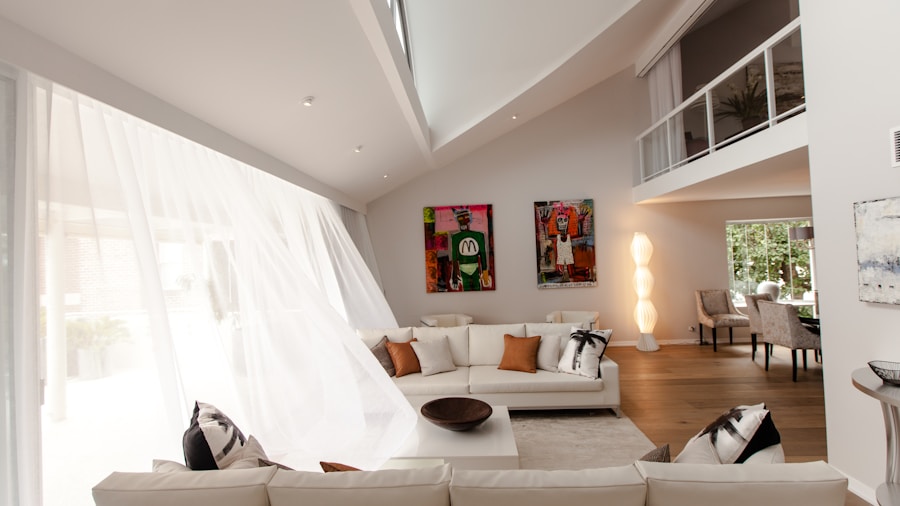
Fabric selection plays a crucial role in achieving the right look. Lightweight, billowy fabrics create an ethereal, romantic aesthetic that many find appealing. Heavier materials work better when you need more light blocking or sound dampening between spaces. The color and pattern of your curtains should coordinate with adjacent rooms since they function as visible design elements rather than hidden architectural features.
Location matters significantly when implementing this trend. Dining rooms, bedrooms, and entryways to private spaces like home offices or bars are popular choices. The key is selecting an opening where a curtain solution genuinely improves functionality and adds visual interest. Hallways and transitions between main living areas work particularly well because the curtain becomes part of the decor narrative rather than an afterthought.
Lighting also affects how curtains as dividers perform. If you want the separation to feel less solid, choose sheer or semi-transparent fabrics that allow light to filter through. For maximum privacy and light control, opaque materials work better. Many designers layer sheer and heavier curtains to achieve flexibility. You might also want to explore innovative curtain lighting solutions that enhance the impact of your installation.
Practical Tips for Shoppers
Before committing to this style change, measure your openings carefully and consider how often the curtain will be opened and closed. High-traffic areas may require more durable fabric. Think about maintenance too: curtains that face kitchens or bathrooms may need more frequent washing than those in bedrooms.
Budget for both the curtain rod and the fabric. Quality rods ensure smooth operation and longevity, while good-quality fabric holds its shape and color better over time. If you’re unsure whether this trend suits your space, start with one installation in a lower-visibility area to test how you live with it. Many homeowners find they love the flexibility and aesthetic once they try it.
When you’re ready to move forward, make sure your installation hardware is properly secured. Understanding the difference between temporary and permanent mounting options helps you make choices that fit your housing situation.











Write Your Review
No reviews yet. Be the first to share your experience!